

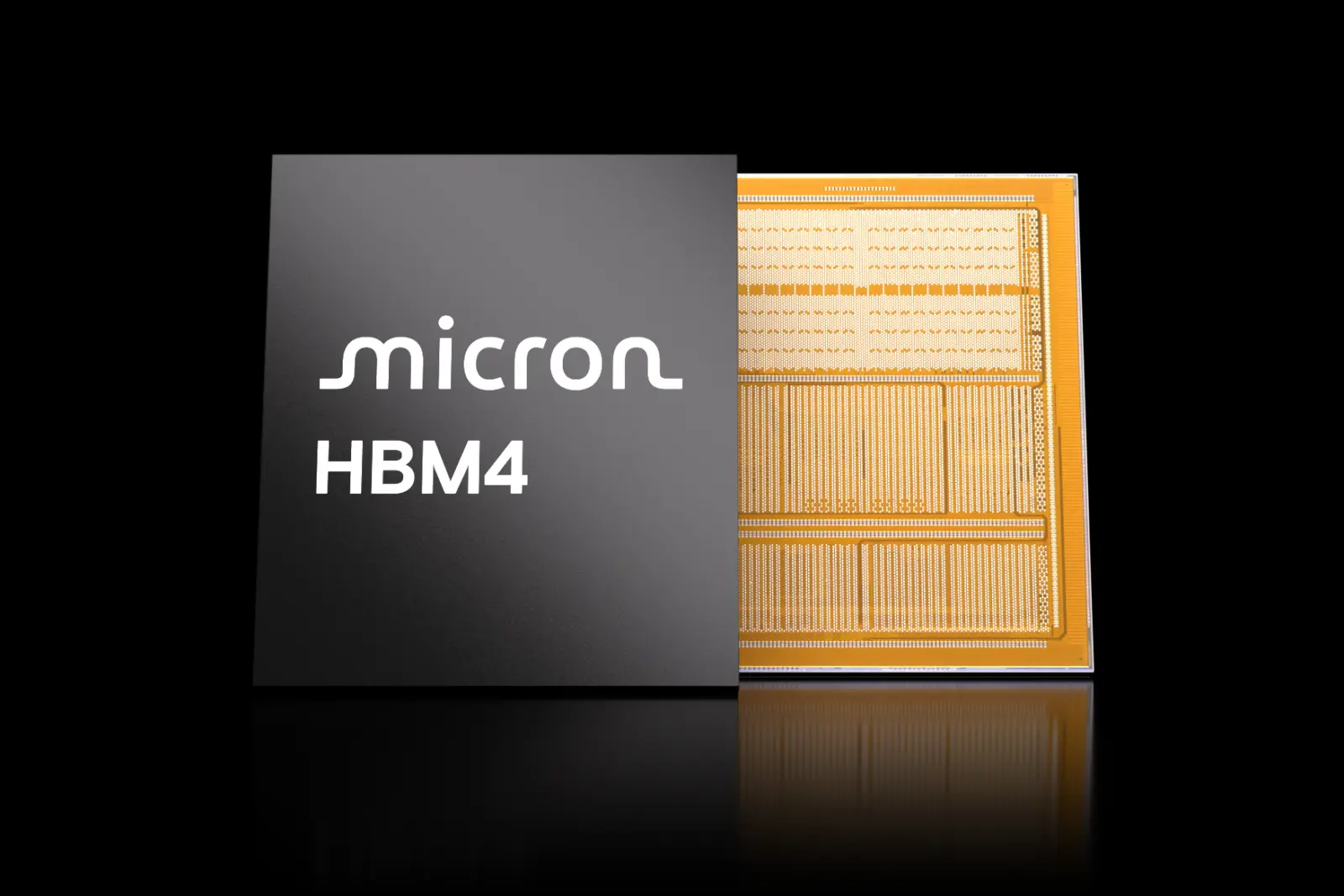
NVIDIA's upcoming Rubin and Rubin Ultra GPU platforms are reportedly facing design and specification issues, according to rumors. The problems include HBM4 speed and capacity drawbacks, yield and warpage issues, pushback on multi-power design, and a heatspreader redesign.
Rubin Ultra memory and chiplet changes detailed
The Rubin platform is said to feature 288 GB of HBM4 memory with up to 22 TB/s of bandwidth. The Rubin Ultra originally targeted 1 TB of HBM4E memory using 16-Hi stacks, but due to yield issues, it has been scaled back to 768 GB using 12-Hi stacks. The GPU design for Rubin Ultra has also been reduced from a quad-chiplet to a dual-chiplet per GPU configuration. The heatspreader has been changed from a dual to a single layout, and the thermal interface material has switched from indium-graphite to traditional graphite for both the 2300W and 1800W platforms.
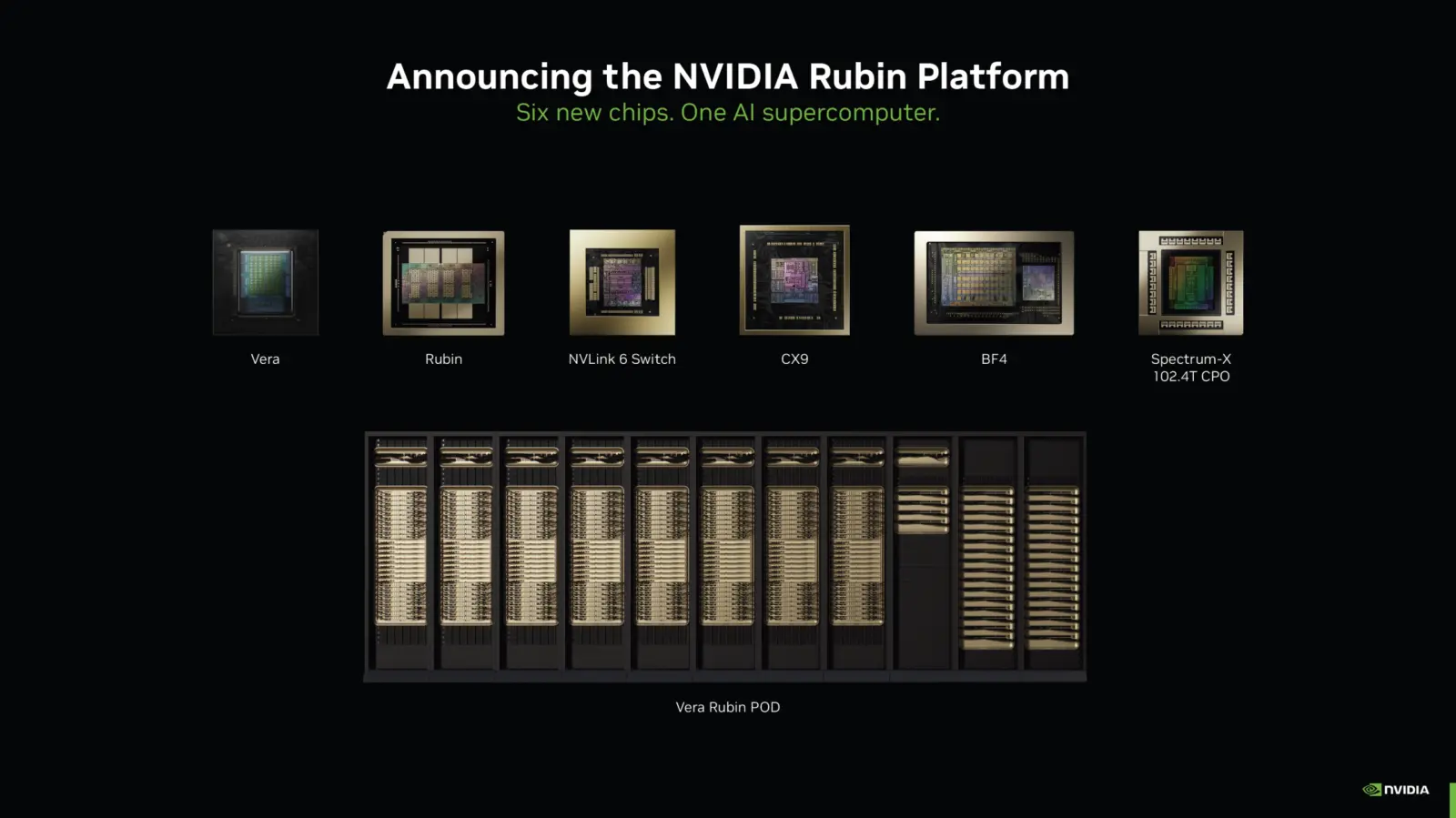
The Rubin Ultra platform is expected to arrive in the 2027-2028 timeframe. It will use TSMC's CoWoS-L packaging technology and have 16 HBM4E sites, with 8 per GPU chiplet.
AMD is reportedly positioning its MI500 for a launch in the second half of 2027. The MI500 is expected to feature 2.5D/3D packaging, a 4-die layout, and 12-Hi HBM4E memory.
NVIDIA has not confirmed the rumored design changes or the launch window for the Rubin and Rubin Ultra platforms.



Discussion
0 comments
Log in to join the thread with a thoughtful take, question, or correction.