

NVIDIA has reportedly secured multi-year supply agreements for the memory chips needed for its upcoming Rubin AI chips. This development matters because it signals a shift toward long-term stability in a market where component shortages have driven up costs and created uncertainty for hardware buyers. Securing these supplies early helps manufacturers plan their production schedules with greater confidence.
NVIDIA secures long-term memory supply for Rubin AI chips amid shortages
The agreements involve SK hynix and Micron, two of the largest manufacturers of DRAM and High Bandwidth Memory (HBM). These components are critical for the performance of NVIDIA's AI accelerators and high-end GPUs. The deal structure targets three to five year terms, which contrasts with the one-year short-term contracts that were previously common in the industry.
This long-term strategy follows NVIDIA trimming its DRAM forecast for the Rubin AI chips. The adjustment suggests that the new chips may require less memory than initially projected. This reduction in memory requirements could help NVIDIA manage costs and improve the efficiency of its next-generation hardware designs.
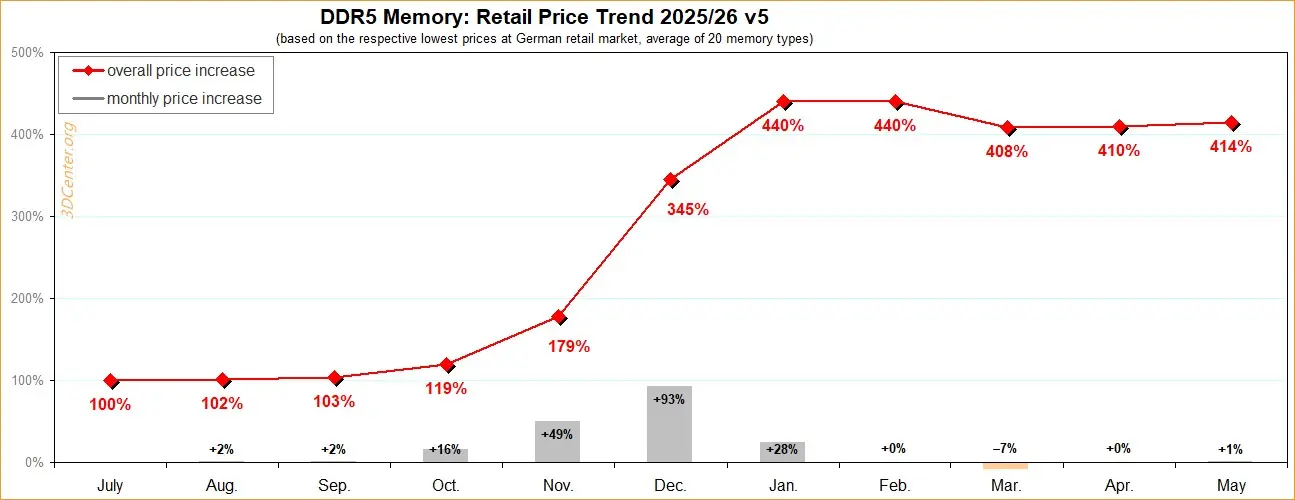
Memory shortages are expected to persist through 2028 due to high capital costs and long lead times for new manufacturing plants. Industry players like MSI and AMD have warned that prices may not stabilize until then. These long-term agreements allow NVIDIA to lock in capacity and mitigate the risk of future supply constraints.
We looked at SK Hynix Drops Price Caps on earlier while tracking Nvidia launches. The move to long-term contracts reflects a broader industry trend toward securing supply in a tight market. This approach helps ensure that critical components remain available for upcoming product launches.
NVIDIA has reportedly locked in these supply agreements to support its Rubin AI chip production. The deals with SK hynix and Micron provide a stable foundation for memory supply through the end of the decade. This stability is crucial for maintaining production schedules amid ongoing market challenges.



Discussion
0 comments
Log in to join the thread with a thoughtful take, question, or correction.