
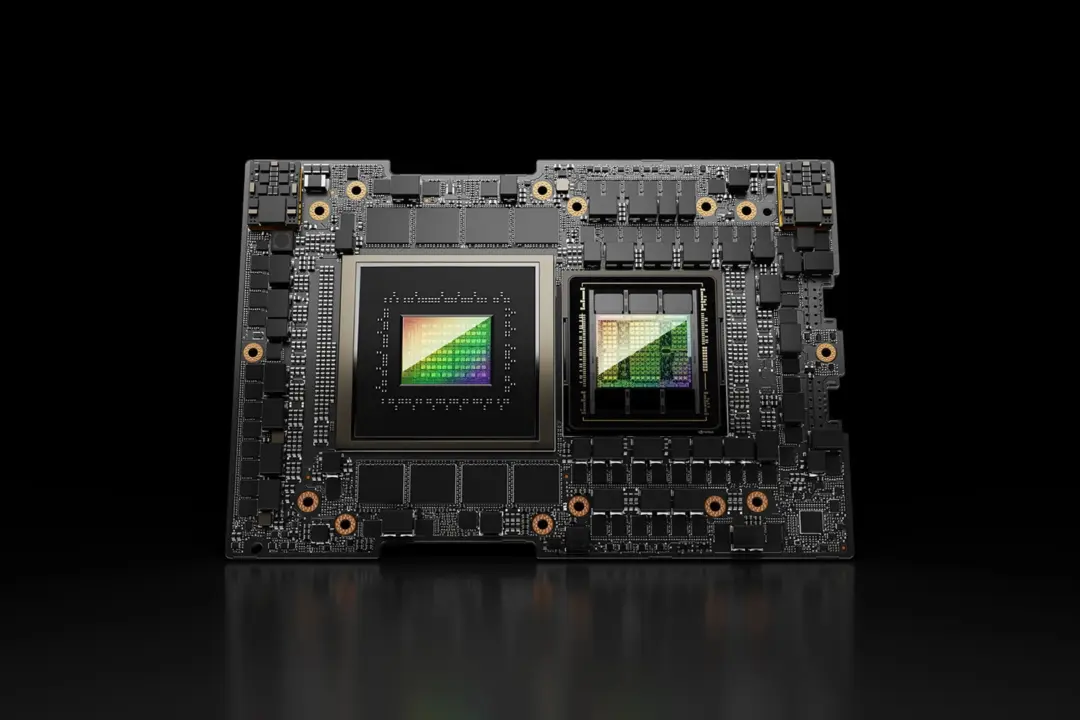
NVIDIA is tightening its grip on the AI hardware market by commercializing its proprietary interconnect technology as a licensing product. This move forces chip designers to pay for access to NVIDIA's ecosystem if they want their custom silicon to communicate efficiently with NVIDIA processors. Buyers of specialized AI accelerators or server CPUs must now budget for these connectivity fees rather than relying on open standards.
NVIDIA commercializes its high-speed interconnect technology to lock third-party chipmakers into its ecosystem
The new licensing framework is called NVLink Fusion. It serves as the commercial interface for NVIDIA's high-speed chip interconnect technology. Third-party manufacturers can license this technology to link their own chips directly with NVIDIA GPUs or CPUs. This creates a technical bridge that makes it harder for competitors to build fully independent AI systems.
NVIDIA is also backing this strategy with significant capital investment. The company invested $3.5 billion in MediaTek, which has adopted the NVLink Fusion technology for its own designs. The technology enables direct connectivity between NVIDIA Vera CPUs and third-party XPUs. It also allows NVIDIA GPUs to connect with third-party CPUs. Customers who need to expand their network scale must also purchase licenses for NVSwitch technology.
This approach transforms a hardware advantage into a recurring revenue stream. NVIDIA can generate licensing fees from companies that do not buy full NVIDIA AI systems. The strategy locks customers into the ecosystem even when they develop their own silicon. We looked at the last NVLink Fusion update, several of the same balance and stability themes came up.
NVIDIA is using NVLink Fusion to create an intellectual property moat. The company makes it difficult for competitors to fully decouple from its ecosystem. This licensing model ensures that third-party chipmakers remain dependent on NVIDIA's connectivity standards for high-performance computing.

Discussion
0 comments
Log in to join the thread with a thoughtful take, question, or correction.