
In an incredible breakthrough, NVIDIA researchers have taken a giant leap forward in quantum simulation. They've managed to simulate fault-tolerant quantum systems using classical supercomputer hardware.
Magic state breeding cuts physical qubit needs by 90% in largest simulation to date
What does this mean? It shows that it's possible to efficiently simulate complex quantum error correction on classical GPUs. This is a huge step toward practical quantum computing. We don't have to wait for physical quantum hardware to be built to know how big error correction systems work.
- GPU Count: 8192 GH200 GPUs
- Simulated Qubits: 104
- Resource Reduction: 90% fewer physical qubits
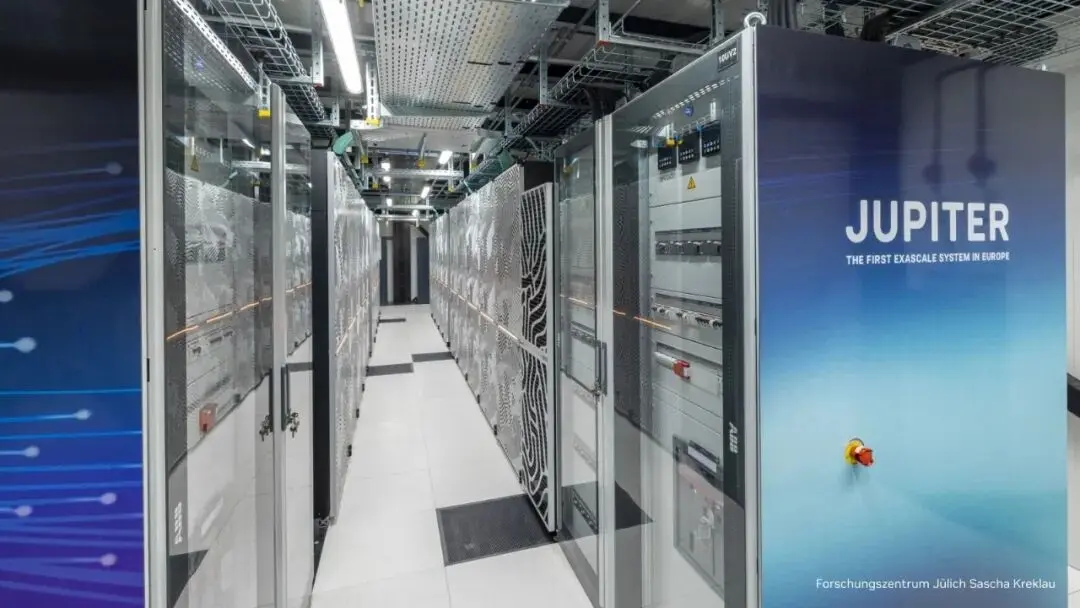
- Supercomputer Model: JUPITER
- Supercomputer Chips: Approx. 24,000 GH200
The simulation was done on the JUPITER supercomputer in Germany. This supercomputer uses around 24,000 NVIDIA GH200 superchips. For this particular simulation, NVIDIA researchers used 8,192 of those GH200 GPUs to power the calculations.
They were able to simulate the largest fault-tolerant quantum computing to date with this setup. They simulated 104 logical qubits.
How did they do it? NVIDIA researchers used a technique called "magic state breeding." It's an alternative to traditional "magic state distillation." This method significantly cuts the number of physical qubits needed by about 90% compared to what's been used before.
This approach makes it much more cost-effective to do quantum error correction with less overhead. The simulation time was reduced from weeks to just a few days. This time compression shows the speedup benefits of the NVIDIA GPU architecture when it comes to these particular calculations.
According to Jensen Huang, it's crucial to understand the behavior of complex, fault-tolerant systems at scale for practical quantum computing. This work confirms that we can simulate quantum error correction effectively on classical supercomputers, even before we get physical quantum machines at that scale.
This research underscores the power of GPUs in pushing forward quantum computing theory. NVIDIA leveraged their GH200 hardware to solve a problem that took huge resources and time in the past. It's important to note that this is a classical computation. It's not a physical quantum computer.
But this achievement is a major milestone in our journey toward the future of quantum.
Discussion
0 comments
Log in to join the thread with a thoughtful take, question, or correction.