
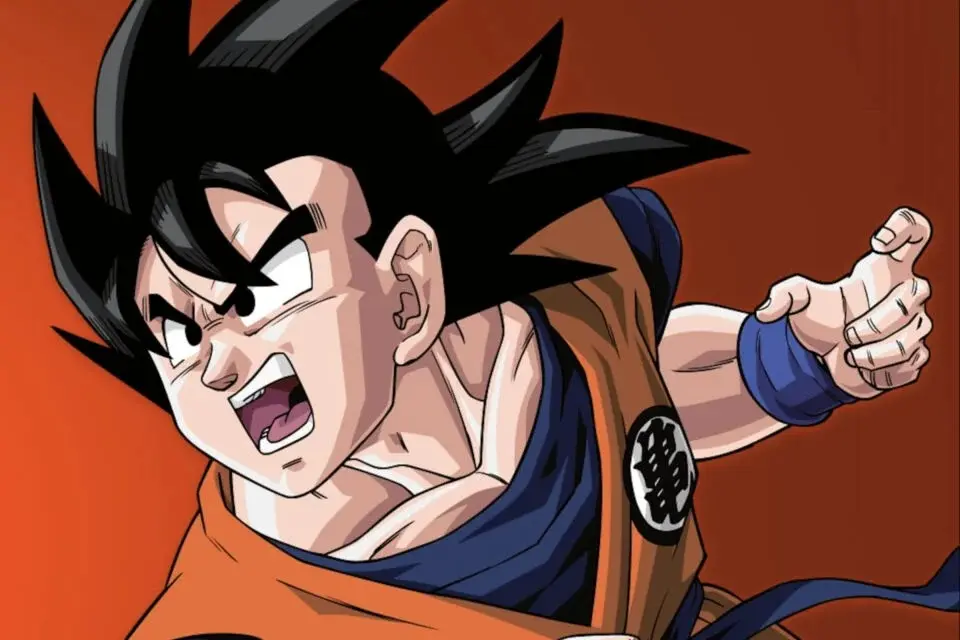
In 2024, Japan Actors Union issued their first guidelines for generative AI. It's a new legal stance towards voice acting. It's important to the reader because it declares that AI voice is a legitimate acting performance. So it requires the explicit permission from companies to use any voice data for synthesizing or deep learning.
New guidelines require explicit consent and royalties for AI voice use
The Japan Actors Union is a representative of approximately 2,600 voice actors and actors in Japan. Their latest guidelines cover all cases with machine learning or AI voice clone. It ensures that voice actors are able to claim their identity in the digital world.
What is notable in this new guideline is that AI voice is categorized as an acting performance instead of data. As a result, the companies need to provide royalties or pay compensation to the performers whose voice was used. It requires consent beforehand no matter how much voice data you use.
Masako Nozawa, voice actor, described the unauthorized AI voice clone as theft. She also mentioned that AI has no emotion. Masako Nozawa said that her voice and acting performance belong to her.
So it is forbidden to use her voice without permission. It shows the Japan Actors Union's strong stance in the field of intellectual property under AI.

Discussion
0 comments
Log in to join the thread with a thoughtful take, question, or correction.