
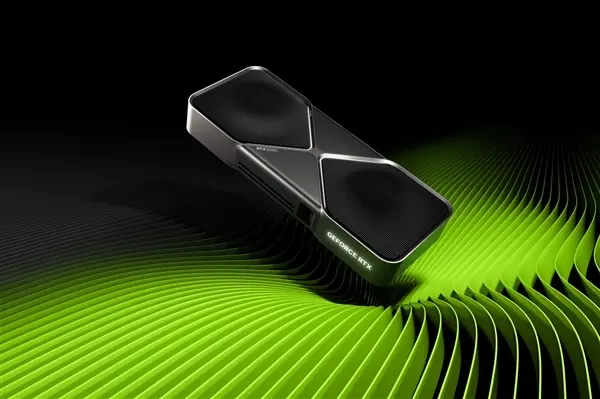
A recent security study by Kaspersky highlights the brute-force capabilities of the NVIDIA GeForce RTX 5090 against legacy password hashing methods. The research demonstrates that the GPU can compromise a significant portion of MD5-hashed passwords with remarkable speed. This performance underscores the vulnerability of outdated cryptographic standards when faced with modern parallel computing hardware.
Previous RTX 4090 research showed similar cracking speeds for complex passwords
The testing process involved a dataset of over 231 million unique passwords stored using the MD5 algorithm. Kaspersky reported that a single RTX 5090 unit could break 60 percent of these passwords within one hour. Even more striking is the finding that 48 percent of the tested passwords were cracked in just 60 seconds. These results position the RTX 5090 as a highly efficient tool for password cracking.
Previous research by Hive Systems indicated that the earlier RTX 4090 could break an eight-character password containing mixed case letters and numbers in approximately 17 seconds. Kaspersky's own prior testing showed that the RTX 4090 could crack 59 percent of hashed passwords within an hour. The RTX 5090 continues this trend of escalating performance, driven by the inherent design of MD5 which prioritizes calculation speed over security.
The study notes that attackers do not need to purchase expensive hardware to launch such attacks. Cloud service providers allow users to rent equivalent GPU specifications by the hour, enabling low-cost brute-force operations. Kaspersky recommends replacing MD5 with slower, more secure algorithms like bcrypt or Argon2 for password storage to mitigate these risks.
NVIDIA has not confirmed the specific launch window or pricing for the GeForce RTX 5090. The security implications of the hardware remain a focus for cybersecurity professionals as adoption of faster GPUs increases.
Discussion
0 comments
Log in to join the thread with a thoughtful take, question, or correction.