
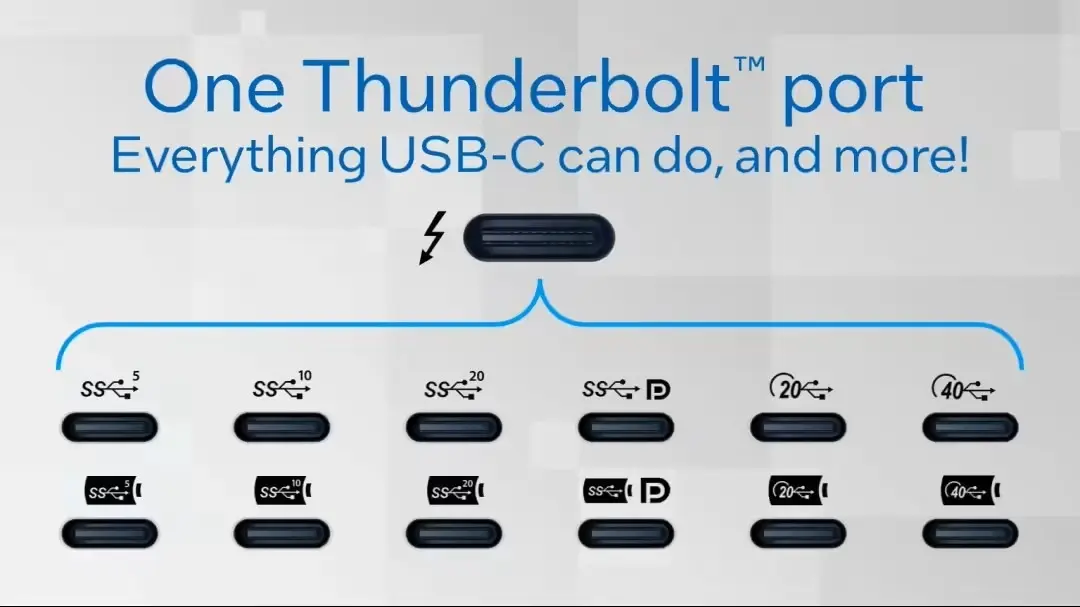
Portable solid state drives face significant performance and compatibility challenges that consumers should understand before purchasing. The market offers a wide range of interface standards and internal protocols, but not all combinations deliver the expected speeds. Many users confuse physical connector types with actual data transfer capabilities, leading to disappointing real-world performance.
Physical size creates thermal issues for these small form factor drives.
These devices support various connection standards including USB 3.2 Gen1, Gen2 x1, and Gen2 x2, as well as Thunderbolt 3, Thunderbolt 4, and Thunderbolt 5. The internal storage protocol also dictates speed limits. SATA drives cap out at approximately 550 megabytes per second. NVMe drives over PCIe 3.0 reach about 3500 megabytes per second, while PCIe 4.0 NVMe models can hit 7000 megabytes per second.
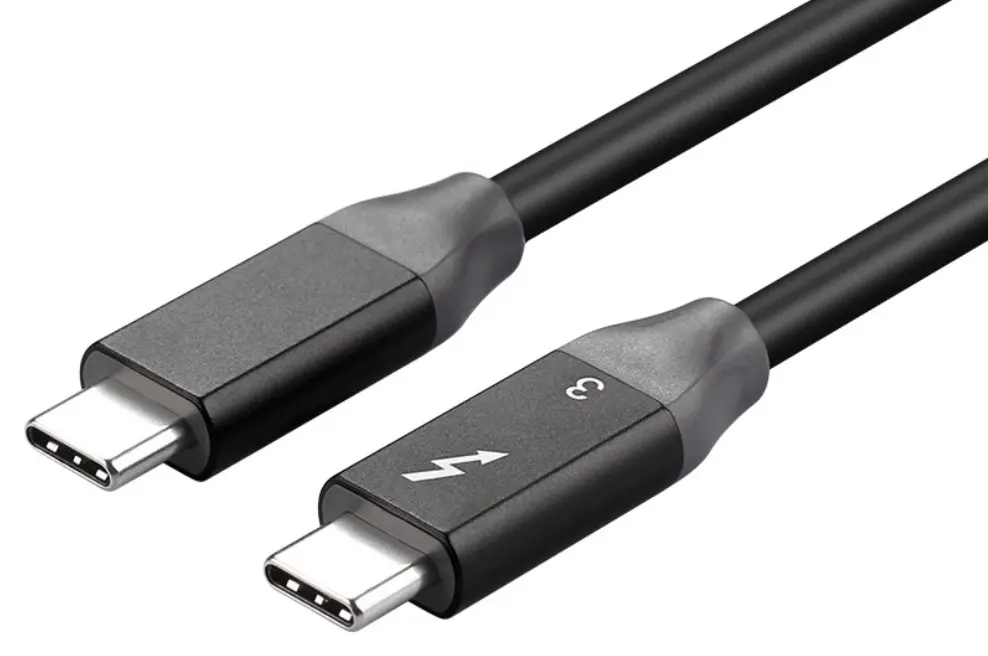
Physical size creates thermal issues for these small form factor drives. When the internal temperature exceeds 70 degrees Celsius, the drive controller triggers thermal throttling to protect the hardware. This process significantly reduces performance. Testing on an Aigo S10 drive showed a 39.5 percent drop in random read speeds when the drive was half full, falling from 254.56 megabytes per second to 153.88 megabytes per second.
Capacity labeling adds another layer of confusion for buyers. Manufacturers market drives using decimal gigabytes, such as 1000GB for a 1TB drive. Windows operating systems display capacity in binary gibibytes, showing only about 931GiB for the same drive. This results in a roughly 9.3 percent discrepancy between advertised and displayed storage space. Users should also note that Mac M-series chips may downgrade USB 3.2 Gen2 x2 drives to slower Gen2 x1 speeds.
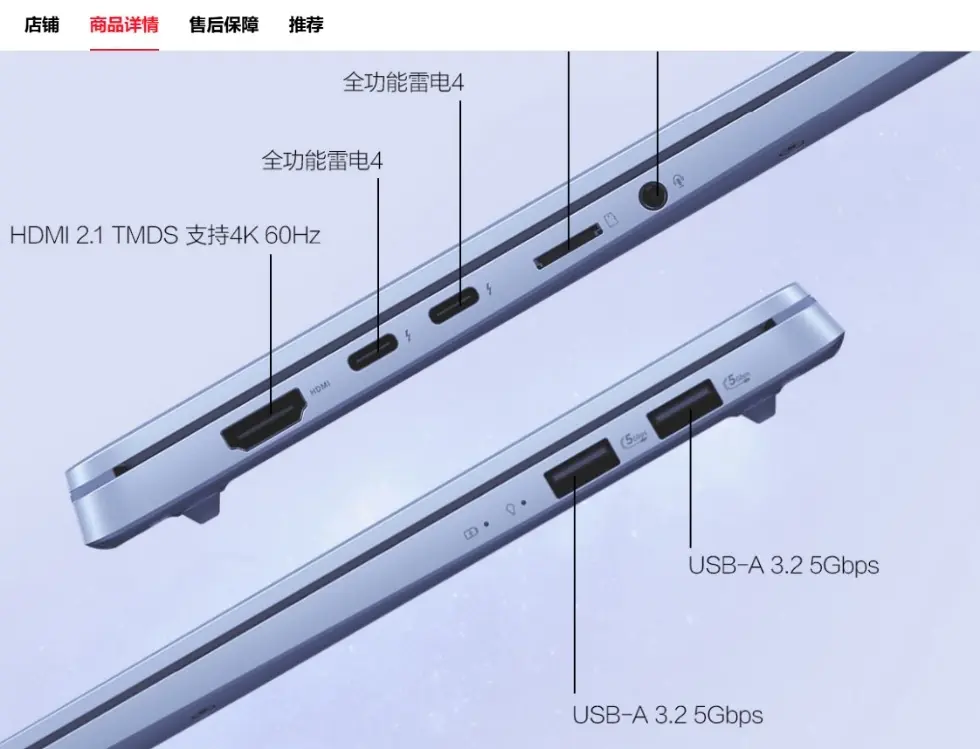
The USB-IF organization has renamed interface standards multiple times, making marketing names like USB 3.2 less reliable than Gen numbers. Type-C connectors are merely physical shapes and do not guarantee high speeds. Thunderbolt and USB4 share underlying technology but have different certification requirements. Vendors have not confirmed specific launch windows for new models addressing these issues.
Discussion
0 comments
Log in to join the thread with a thoughtful take, question, or correction.