
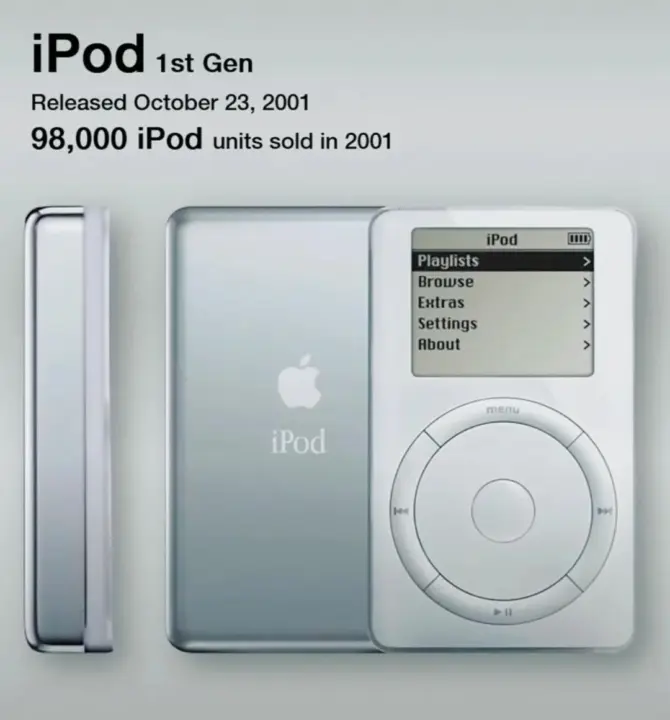
Mechanical hard drives are not limited to bulky desktop bricks. Micro variants shrank storage into portable devices that fit in pockets. These drives let users carry gigabytes of data when flash memory was too expensive or small.
Seagate and Apple used tiny mechanical drives for portable storage
Seagate, Cornice, Apple, and Nokia built these tiny drives for early mobile tech. The 1.8-inch models dominated the market with 20GB to 80GB capacity. They weighed less than 30g and handled shock well. Apple used them in iPod Classics and thin laptops.
Micro HDD Specifications
- 1.8-inch HDD Capacity: 20GB-80GB
- 1.8-inch HDD Weight: less than 30g
- 1-inch HDD Capacity: up to 8GB
- 1-inch HDD Form Factor: CF card size
- 0.85-inch HDD Capacity: 4GB, 8GB
Manufacturers pushed size limits further with smaller formats. The 1-inch drives matched CF card dimensions and held up to 8GB. They consumed little power and supported hot-swapping. High-end cameras and handheld gadgets adopted this form factor.
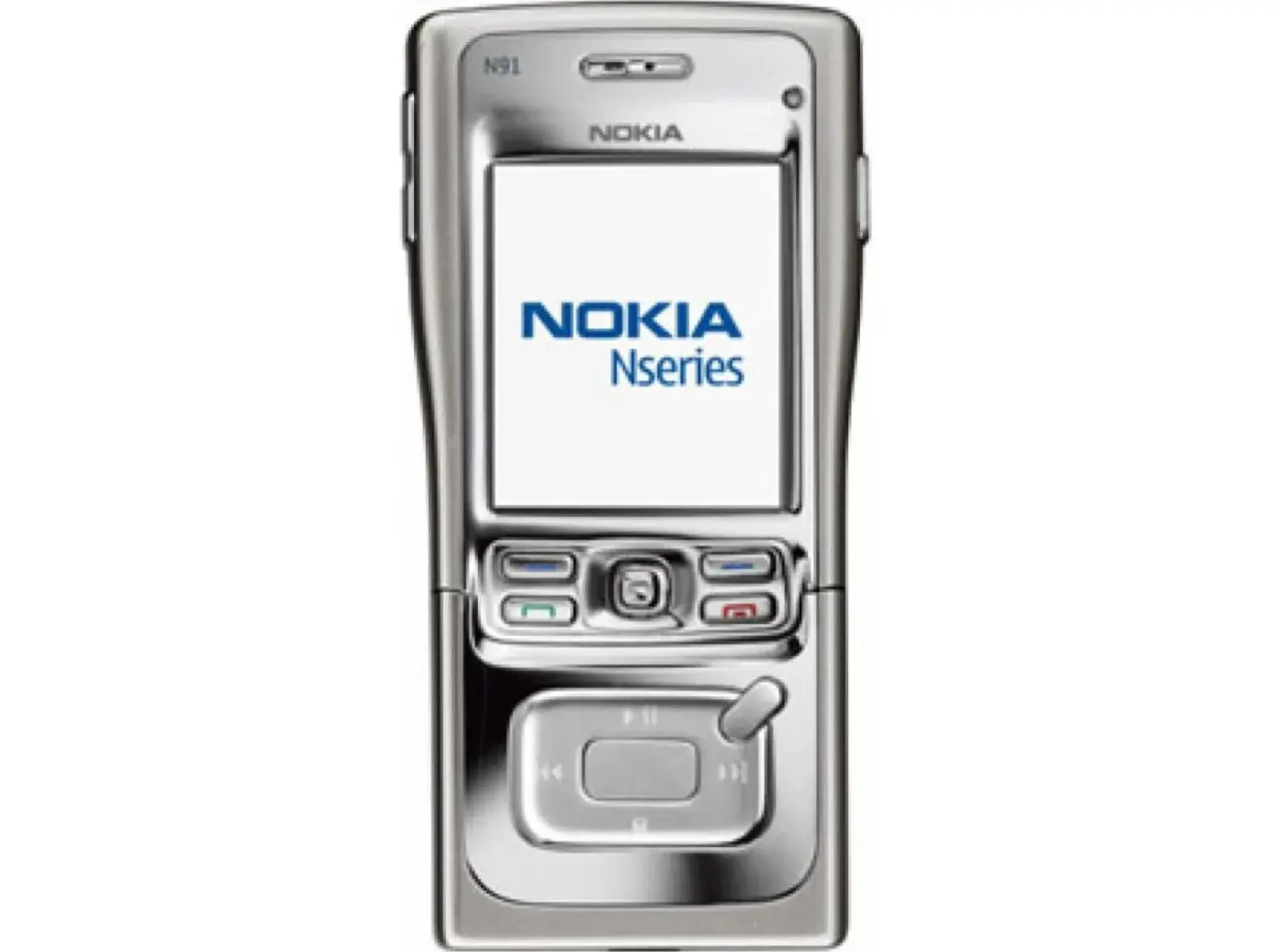
The smallest 0.85-inch drives reached 4GB or 8GB of storage. They measured smaller than an SD card and matched the size of a one-yuan coin. The Nokia N91 music phone used this compact drive. These units represented the peak of mechanical miniaturization.
Flash storage eventually replaced these mechanical drives. The cost of flash memory dropped rapidly. This shift made micro HDDs obsolete for most consumer electronics.
Discussion
0 comments
Log in to join the thread with a thoughtful take, question, or correction.