
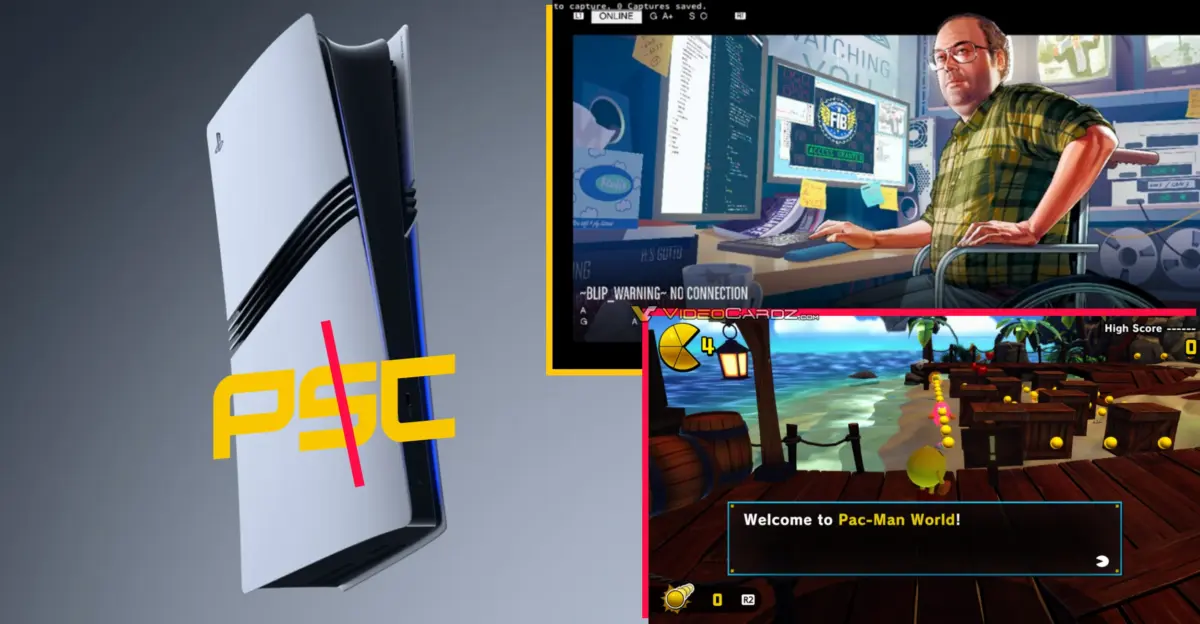
The KytyPS5 emulator has reached a new milestone with version 0.0.3, bringing the first commercial 3D PlayStation 5 titles to Windows PCs. This update shifts the project from simple boot tests to actual gameplay rendering, which matters to gamers who want to see if emulation can finally handle modern 3D graphics. The release proves that the compatibility layer can now process complex 3D scenes, even if the experience remains experimental.
Emulator update renders 3D gameplay and fixes shader binding for Windows users
KytyPS5 functions as a Windows compatibility layer designed to run PS5 software on PC hardware. The current build focuses on boot fixes and basic compatibility rather than perfect visual accuracy. Developers have primarily tested the emulator using NVIDIA graphics cards, while support for AMD and Intel GPUs remains incomplete. Users should expect instability, as the project prioritizes getting games to run over delivering a polished experience.
Version 0.0.3 introduces several technical improvements, including SRT shader-binding and AMPR optimizations. The update also adds Pthread fixes and expands the compatibility database to track more titles. These changes allow the emulator to boot Grand Theft Auto V to its main menus and settings screen. The software supports Unreal Engine 4, Unreal Engine 5, Unity, and custom game engines.
Despite these advances, the developer warns that some games may have regressed in this version. The earlier v0.0.2 build is recommended for users seeking broader compatibility across different titles. Current results show that games like Quake II, PowerWash Simulator, and PAC-MAN WORLD are rendering gameplay. However, neither result indicates that these games are fully playable from start to finish.
The KytyPS5 project continues to evolve as a proof-of-concept for PS5 emulation on Windows. Version 0.0.3 demonstrates that commercial 3D games can now render on PC hardware through this compatibility layer. Users interested in testing these builds should be prepared for incomplete features and potential performance regressions.



Discussion
0 comments
Log in to join the thread with a thoughtful take, question, or correction.