
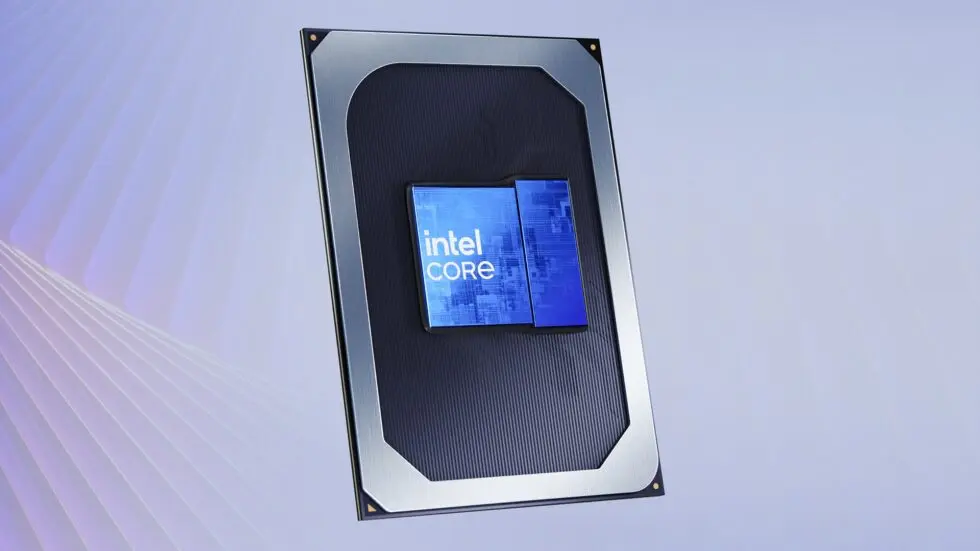
Apple’s MacBook Neo has shifted the budget laptop market, prompting PC makers to release competing systems built on Intel’s new Core Series 3 processors. These chips, internally known as Wildcat Lake, target the low-cost segment where Apple’s entry-level models operate. The move signals a direct hardware response from traditional Windows manufacturers aiming to match Apple’s pricing and feature set.
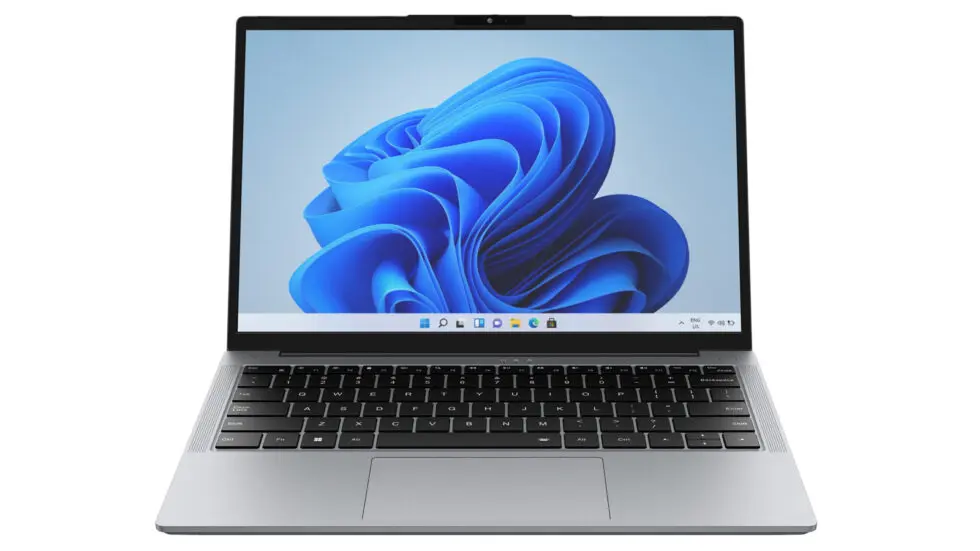
Chuwi unveils a $449 laptop with 120Hz display to match Apple entry models
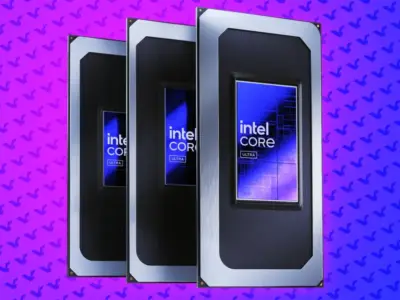
Intel positions the Core Series 3 (Wildcat Lake) architecture as a budget-friendly alternative to high-end mobile processors. The chip family targets mainstream notebooks rather than performance-focused gaming or workstation systems. PC makers including Lenovo, ASUS, HP, and Chuwi have integrated Wildcat Lake into new devices designed for everyday computing tasks.
Chuwi’s UniBook represents one of the first confirmed implementations of this hardware strategy. The device features 16GB of RAM paired with a display that supports a 120Hz refresh rate. These specifications aim to deliver smooth performance in standard applications while maintaining a low manufacturing cost.
The broader industry response includes reference designs from Intel’s Project Firefly initiative, which seeks to standardize components across different manufacturers. This approach reduces development time and allows smaller companies like Chuwi to compete with larger brands on price. The focus remains on essential performance metrics rather than advanced graphics or processing power.
Chuwi lists the UniBook at 449 USD (about $449) for the Chinese market. The company has not confirmed availability in the United States or other Western regions. Long-term reliability and real-world performance comparisons against Apple’s offerings remain unverified by independent testing.
Earlier budget models from these makers usually featured legacy Intel Celeron or Pentium processors. The introduction of Wildcat Lake marks a shift toward more modern architecture in the sub-500-dollar segment. This change aligns with consumer demand for higher refresh rates and larger memory capacities in entry-level devices.
Market observers note that Apple’s strategy has forced competitors to reconsider their hardware roadmaps. The availability of standardized, low-cost components enables faster product cycles for PC makers. These developments could intensify rivalry within the affordable notebook market in the coming months.
Discussion
0 comments
Log in to join the thread with a thoughtful take, question, or correction.