
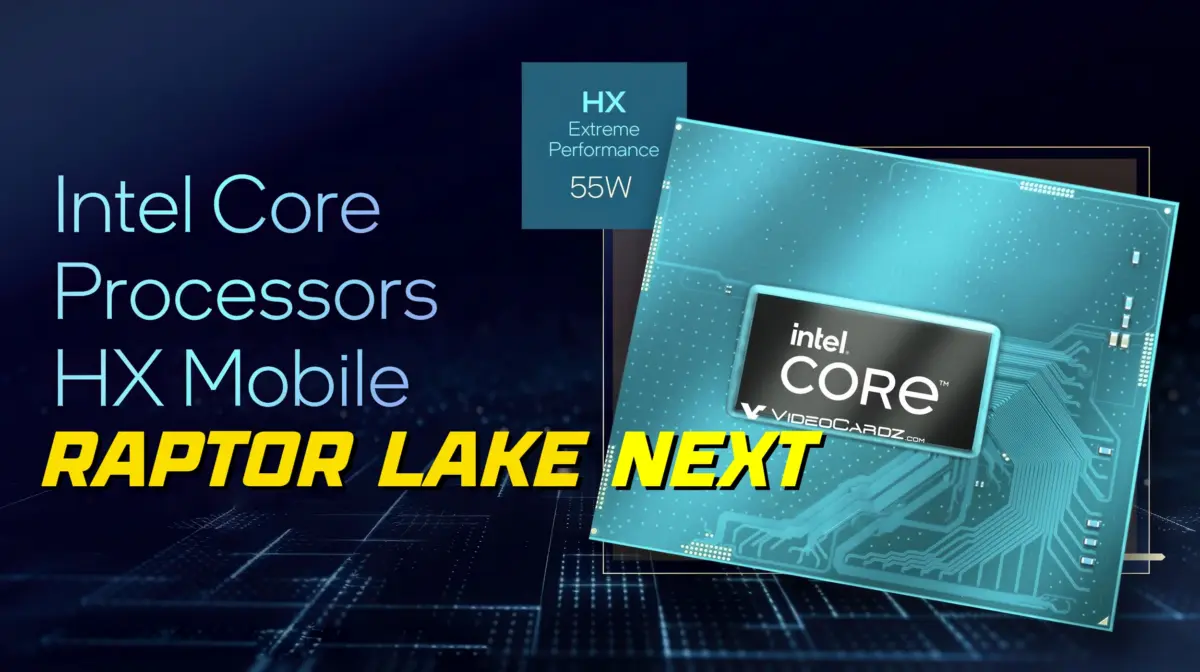
Gamers and laptop buyers waiting for Intel's next generation of high-performance mobile chips have new details to consider. Leaked specifications suggest the upcoming Raptor Lake Next lineup will focus exclusively on the demanding HX segment. This strategic choice means mainstream and ultra-portable users will not see these specific processors in their devices. The shift signals Intel's intent to dominate the premium gaming and workstation market with raw core counts.
Leaked specs detail Core 9 and Core 7 HX variants lacking vPro support
The leaked data points to a branding strategy that diverges from the current Core Ultra naming convention. Sources indicate these mobile SKUs will likely carry the Core 200 series designation instead. This naming choice aligns with recent desktop announcements, though Intel has not officially confirmed the mobile branding yet. The lineup appears to target enthusiasts who prioritize raw computational power over the efficiency-focused branding of recent years.
Raptor Lake Next Mobile SKUs (Leaked)
- Core 9 200HX Configuration: 8P+16E, 24 cores total
- Core 7 200HX Variant 1: 8P+12E, 20 cores total
- Core 7 200HX Variant 2: 6P+8E, 14 cores total
- Series Limitation: HX series only
- Feature Support: No vPro or SIPP support
At the top of the hierarchy sits the Core 9 200HX, which boasts a substantial 24-core configuration. This flagship model combines 8 Performance cores with 16 Efficient cores to handle heavy multitasking and rendering workloads. Below it, the Core 7 200HX offers two distinct variants to suit different performance tiers. One variant provides 20 cores with an 8P+12E layout, while the other steps down to 14 cores using a 6P+8E arrangement.
Business features appear to be absent from this specific mobile release, which may disappoint enterprise buyers. The leak explicitly states that these processors will lack vPro and SIPP support. This omission suggests the hardware is designed primarily for consumer and gaming applications rather than corporate deployments. Intel is reportedly not planning H, P, or U-series models based on this Raptor Lake Next architecture.
We touched on Intel Raptor Lake and Wildcat Lake in our earlier Intel coverage, noting their support for DDR4 memory amid broader market pressures. The current leak highlights a clear divergence in strategy, with Raptor Lake Next focusing on high-end HX performance rather than memory compatibility trends. This distinction helps clarify Intel's segmentation between its mainstream and enthusiast mobile offerings.
Intel has not officially announced the Raptor Lake Next mobile lineup, so these details remain unconfirmed. The information originates from industry leakers and has not been validated by the manufacturer. Buyers should treat the core counts and branding expectations as preliminary reports until a formal launch occurs.
Discussion
0 comments
Log in to join the thread with a thoughtful take, question, or correction.