
AI workloads are shifting the bottleneck from graphics processing to memory bandwidth, forcing hardware buyers to rethink storage architectures. NVIDIA CEO Jensen Huang recently visited Samsung and SK Hynix to discuss this transition, highlighting that raw compute power is no longer the sole constraint for modern systems. This strategic pivot means that future AI deployments will depend heavily on how efficiently data moves between storage and processing units. The industry is now prioritizing technologies that can deliver massive throughput without consuming excessive power.
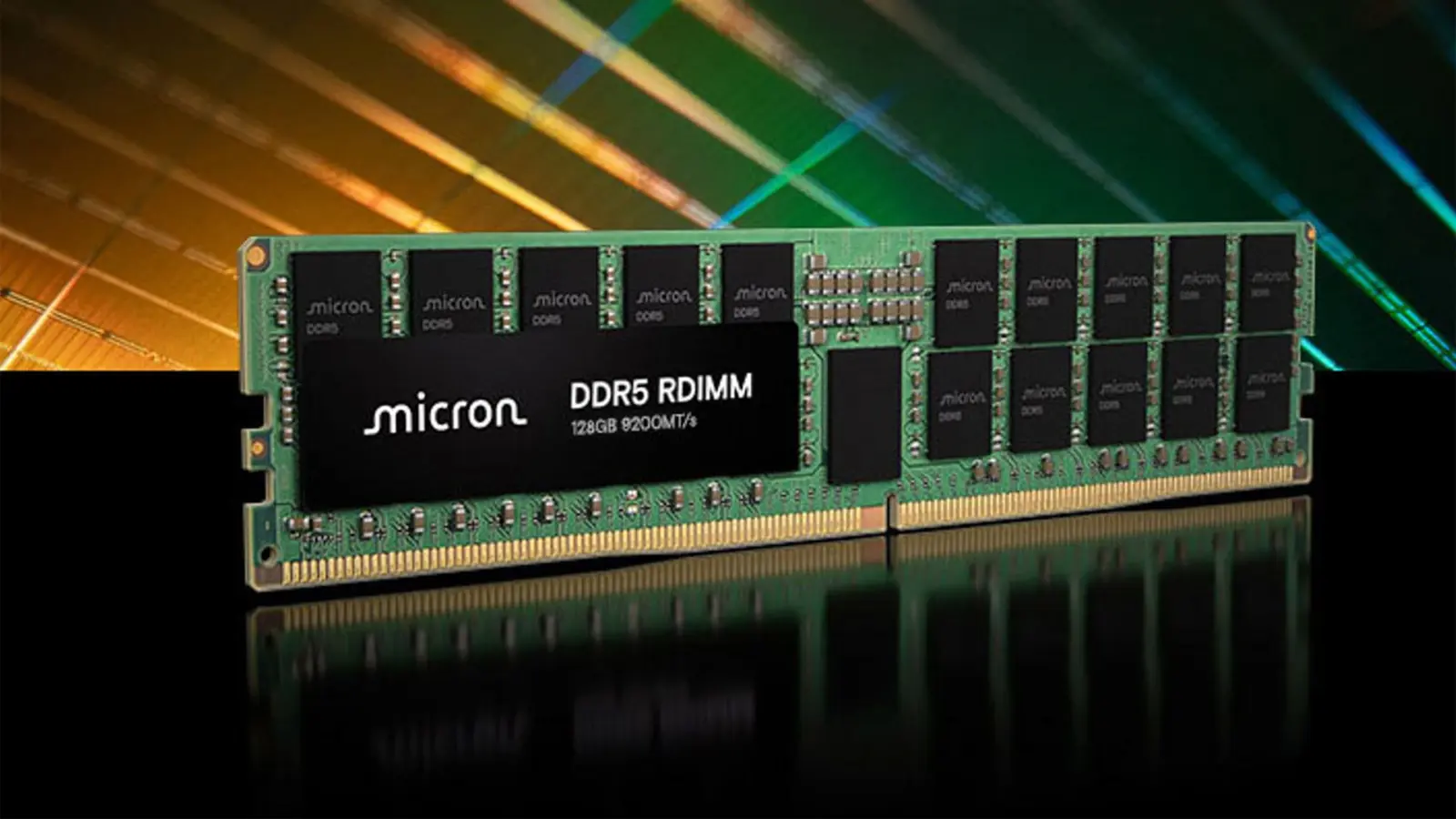
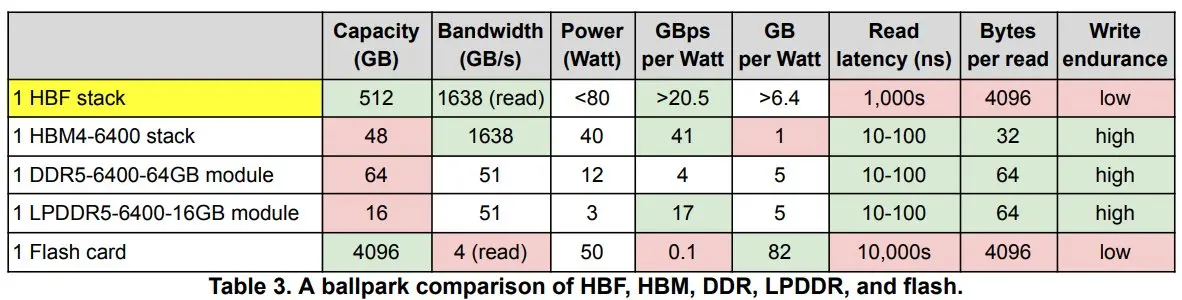
Comparing bandwidth, power, and latency across five memory types
Samsung and SK Hynix are currently evaluating five distinct memory and storage types to address these new demands. The lineup includes traditional Flash Cards, LPDDR5, DDR5, HBM4, and the emerging HBF technology. HBM4 and HBF are stack-type solutions designed specifically for the high-density requirements of the AI market. These vertical integration strategies allow manufacturers to pack more capacity and speed into smaller footprints compared to flat silicon designs.
Spec comparison
- Flash Card Bandwidth: 4GB/s
- Flash Card Capacity: 4096GB
- LPDDR5-6400 Bandwidth: 51GB/s
- LPDDR5-6400 Power: 3W
- DDR5-6400 Power: 12W
Performance metrics reveal significant differences in how these technologies handle data flow and energy consumption. HBM4 delivers a bandwidth of 1638GB/s while drawing 40W of power, establishing a high standard for performance per watt. In contrast, HBF also achieves 1638GB/s read speeds but relies on stacked NAND flash, which results in 1000ns latency. This latency is substantially higher than the 10-100ns range seen in DDR5-6400, making HBF less suitable for tasks requiring immediate response times.
Capacity and power efficiency vary widely across the tested categories, influencing their suitability for different applications. Flash Cards can reach capacities of 4096GB with a bandwidth of 4GB/s, offering high storage density for bulk data. LPDDR5-6400 provides 51GB/s bandwidth at a low 3W power draw, making it ideal for mobile or power-constrained environments. HBF offers a 512GB capacity, positioning it as a lower-cost alternative to HBM4 for read-heavy AI scenarios despite its endurance limitations.
The emergence of HBF represents a recent development in the storage landscape, having risen in prominence only within the last one to two years. While it matches HBM4 in read speed, its higher latency and lower endurance distinguish it from traditional memory solutions. Buyers should note that HBM4 remains the superior choice for applications requiring the highest bandwidth per watt. The market is currently divided between high-performance stack technologies like HBM4 and high-capacity flash solutions like HBF.
Discussion
0 comments
Log in to join the thread with a thoughtful take, question, or correction.