
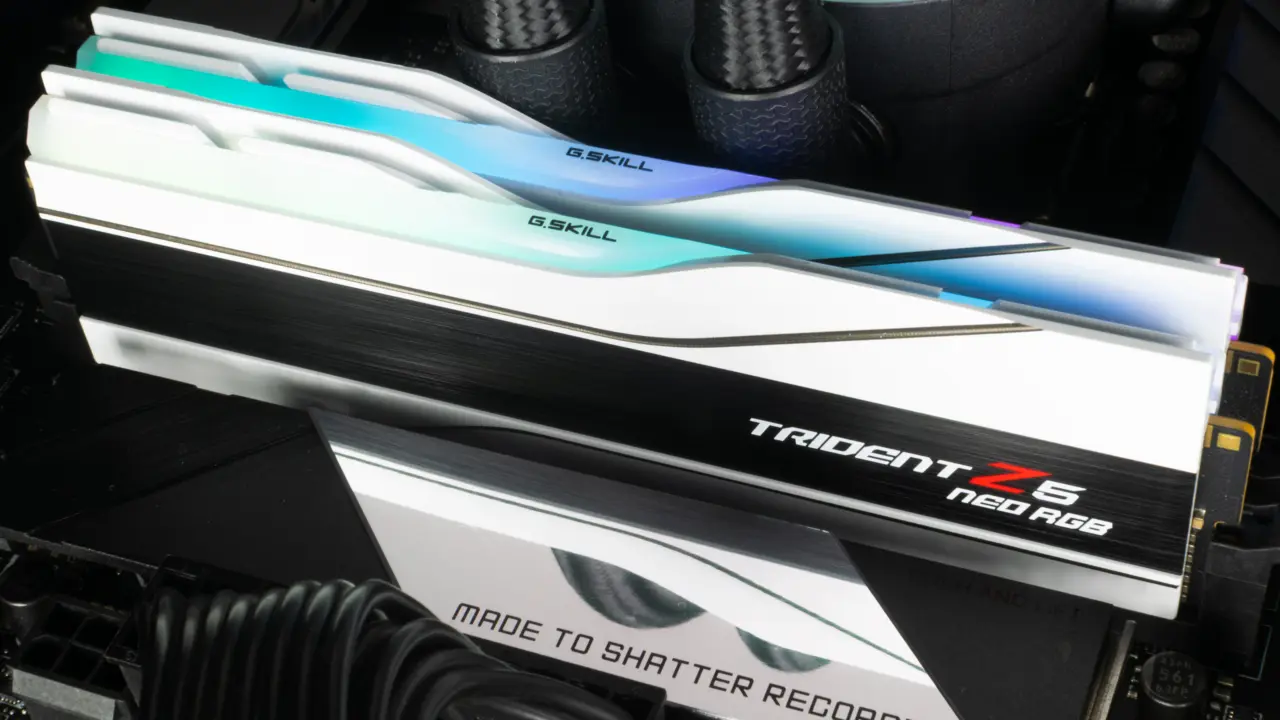
G.Skill is paying out a $2.4 million settlement to resolve a class action lawsuit over DDR4 and DDR5 memory marketing. Buyers who purchased specific memory kits during the lawsuit period will receive reimbursements between $20 and $25. This payout affects users who bought Trident Z or Ripjaw series kits without realizing the advertised speeds required manual configuration. The settlement forces the vendor to change how it labels these products going forward.
Buyers receive $20 to $25 refunds as vendor updates packaging warnings
The legal dispute centered on claims that G.Skill did not clearly warn consumers that high memory speeds required enabling Intel XMP or AMD EXPO profiles. The lawsuit argued that packaging and online listings implied these speeds were standard without additional user action. Eligible consumers in the US are the primary recipients of these refunds. The case specifically targeted kits sold during the timeframe covered by the 2022 legal filing.
As part of the settlement terms, G.Skill must update its packaging and online product listings. The vendor is required to add disclaimers that clearly state advertised speeds depend on overclocking technologies like XMP or EXPO. These new labels must also outline the risks associated with enabling these features. The changes apply to the Trident Z and Ripjaw series models involved in the original complaint.
This settlement marks a shift in how memory manufacturers communicate performance capabilities to PC builders. Users who bought affected kits can now expect clearer warnings about the technical steps needed to reach advertised speeds. The reimbursement amounts reflect the specific terms agreed upon in the class action agreement. We looked at similar marketing disputes earlier while tracking hardware industry legal trends.

Discussion
0 comments
Log in to join the thread with a thoughtful take, question, or correction.