
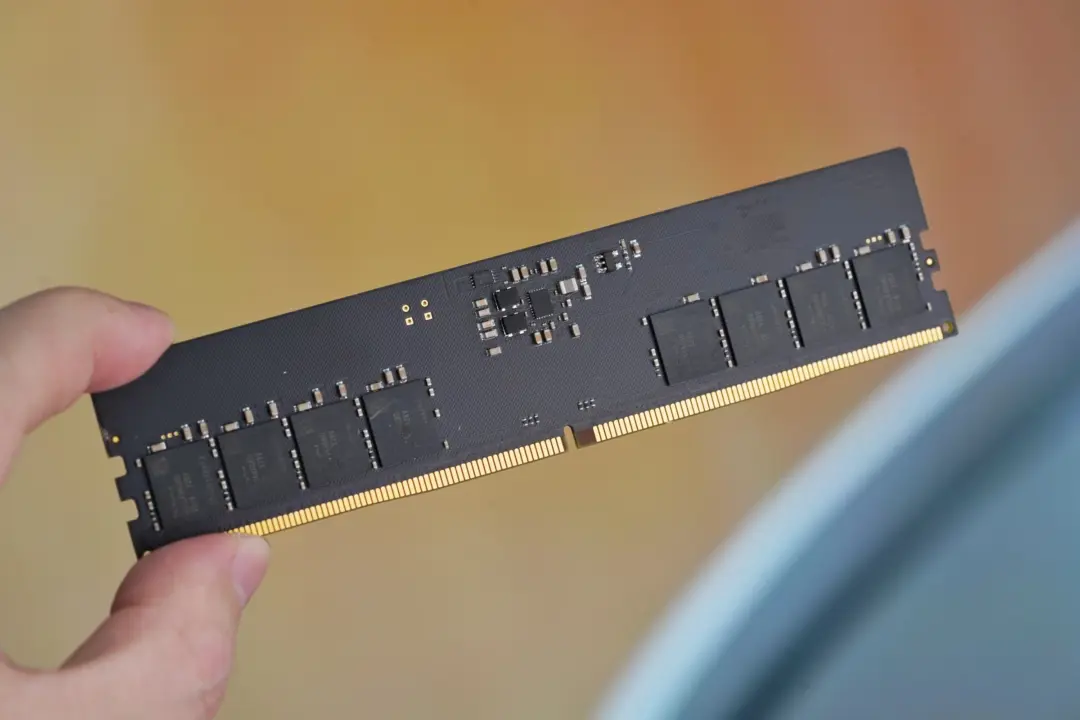
High DRAM price increase due to AI demand is forcing PC users to reduce memory in builds. This historical hardware trend is going backwards.
DDR4 regains dominance as users downgrade from 32GB to 16GB and 24GB configurations
People are reducing large memory setups as the search for a more affordable solution. CPU-Z provides the most up-to-date data on active users' hardware setups. We are seeing the evidence in the latest data.
- 32GB Memory Share: 37.2%
- 16GB Memory Share: 33%
- 64GB Memory Share: 7.3%
- 24GB Memory Share: 2.3%
- 8GB Memory Share: 11%
As you can see above, the shift away from 64GB and 32GB configurations is rather significant. The 64GB configuration market share has seen a massive -18% YoY decrease. This is the first historical decrease in the PC memory capacity trends. At the same time, 32GB dropped -2.5%. 16GB increased by 12.9%, and 8GB went up by 5.5%.
We are now seeing DDR4 back on top. DDR4 now has 54.5% market share, an increase of 6% compared to last year. Meanwhile, the DDR5 market share has fallen to 32.9%.
It has decreased by -2.9% YoY. One popular compromise solution has become 24GB. 24GB has increased by 19.7% as people are now searching for something above 16GB, but not quite wanting to spend the money on 32GB.
AMD is re-releasing Ryzen 7 5800X3D CPU, and motherboard vendors are also returning DDR4 production lines as there is now a new demand for lower-cost memory. This is a good example of how things are getting affected by the costs in the market right now.
We have previously written about high-end setups such as TUXEDO Nano Pro Gen15 with 128GB. But we are now seeing the opposite of that trend. We can now see the data confirming that people are now more sensitive to the costs compared to going all in on the memory.
Comments (0)