
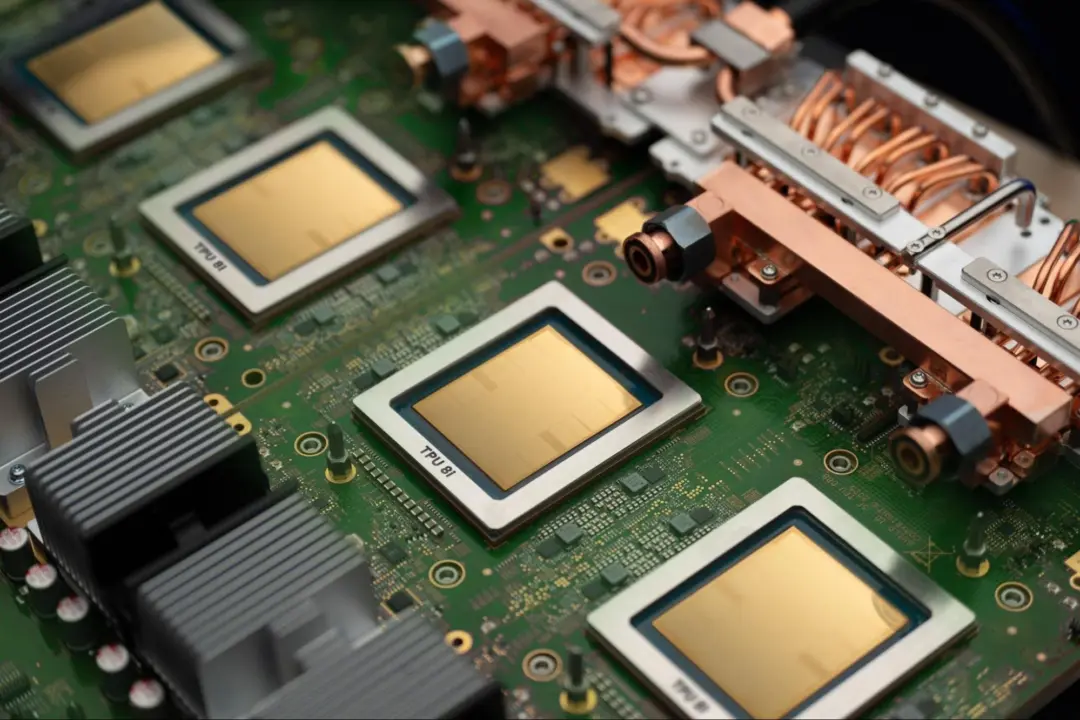
Google is shifting its Tensor Processing Units from internal cloud rentals to an external merchant model, a move that analysts say could unlock massive new revenue streams. This strategic pivot transforms TPUs into a standalone compute-as-a-service product, allowing third parties to buy AI chip capacity directly rather than renting it through Google Cloud Platform. The change matters because it positions Google to compete more aggressively in the broader AI infrastructure market by leveraging partnerships with major financial and technology firms.
Strategic shift to external sales targets massive revenue growth
The new strategy relies on joint ventures with asset managers Blackstone and Apollo Global Management, alongside chip designer Broadcom. These partnerships aim to scale TPU capacity to 11.5 gigawatts, significantly expanding the physical footprint of Google's AI hardware operations. By outsourcing TPU capacity to these partners, Google intends to offer compute-as-a-service on a much larger scale than its current internal GCP model allows.
Financial projections from Barclays suggest this off-platform approach could generate up to $252.7 billion in external TPU sales by 2028. The firm estimates the deal could contribute $20 billion to Google's revenue by the end of the year and $67 billion in 2027. These figures are based on the assumption that Google successfully shifts its hardware business from a closed cloud ecosystem to an open merchant model backed by external capital.
This expansion follows a broader industry trend where AI infrastructure funding has surged, including a $35 billion platform led by Apollo and Blackstone with Broadcom in June. The move also highlights Google's effort to catch up in AI chip sales relative to competitors like NVIDIA. We have tracked similar infrastructure deals as part of our coverage of the evolving AI hardware landscape.


Discussion
0 comments
Log in to join the thread with a thoughtful take, question, or correction.