
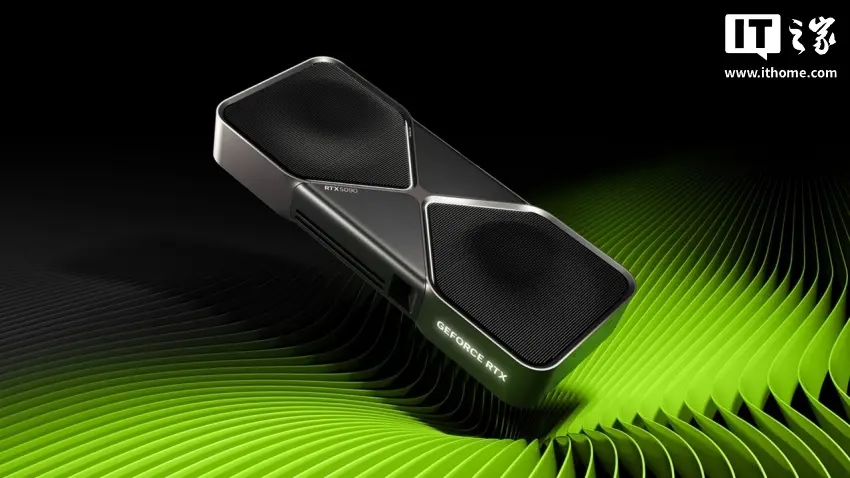
NVIDIA GPUs contain a hidden layer of processing power that most users never see. These chips include 10 to 40 RISC-V cores dedicated to tasks outside of standard graphics rendering. This architecture shift matters because it changes how the GPU firmware and drivers interact with the hardware. Understanding this setup helps explain why certain driver updates or firmware tampering can brick a card.
Hidden processors handle firmware duties instead of graphics rendering
The shift to RISC-V marks a departure from NVIDIA's previous internal control method. Before adopting RISC-V, NVIDIA relied on a proprietary architecture known as Falcon, or Fast Logic Controller. The Falcon design lacked 64-bit addressing capabilities and could not run a true operating system. These technical limitations forced NVIDIA to seek a more flexible solution for managing complex driver tasks.
- RISC-V Core Count: 10-40 cores per GPU
- Previous Architecture: Falcon (Fast Logic Controller)
- Driver Offload Start: 2018
A single special RISC-V core has handled significant graphics driver execution since 2018. This offloading allows the main GPU cores to focus on rendering while the RISC-V cores manage underlying system calls. The specific RISC-V cores do not participate in shader computation or traditional graphics processing. Their role is strictly limited to firmware and driver support functions.
The exact technical specifications of these RISC-V cores remain undisclosed. The source does not provide details on instruction sets or clock speeds for these internal processors. We also do not know which specific GPU models currently utilize this architecture. The source only confirms the presence of these cores depends on the specific model. Tampering with these hidden cores can prevent the GPU firmware from driving the card correctly.
NVIDIA has quietly integrated RISC-V cores into its GPU architecture for over six years. These cores handle critical driver execution tasks that the main graphics processors cannot manage efficiently. The move replaces the limited Falcon architecture with a more capable RISC-V design. Users should avoid modifying these internal components to prevent firmware failures.

Discussion
0 comments
Log in to join the thread with a thoughtful take, question, or correction.