
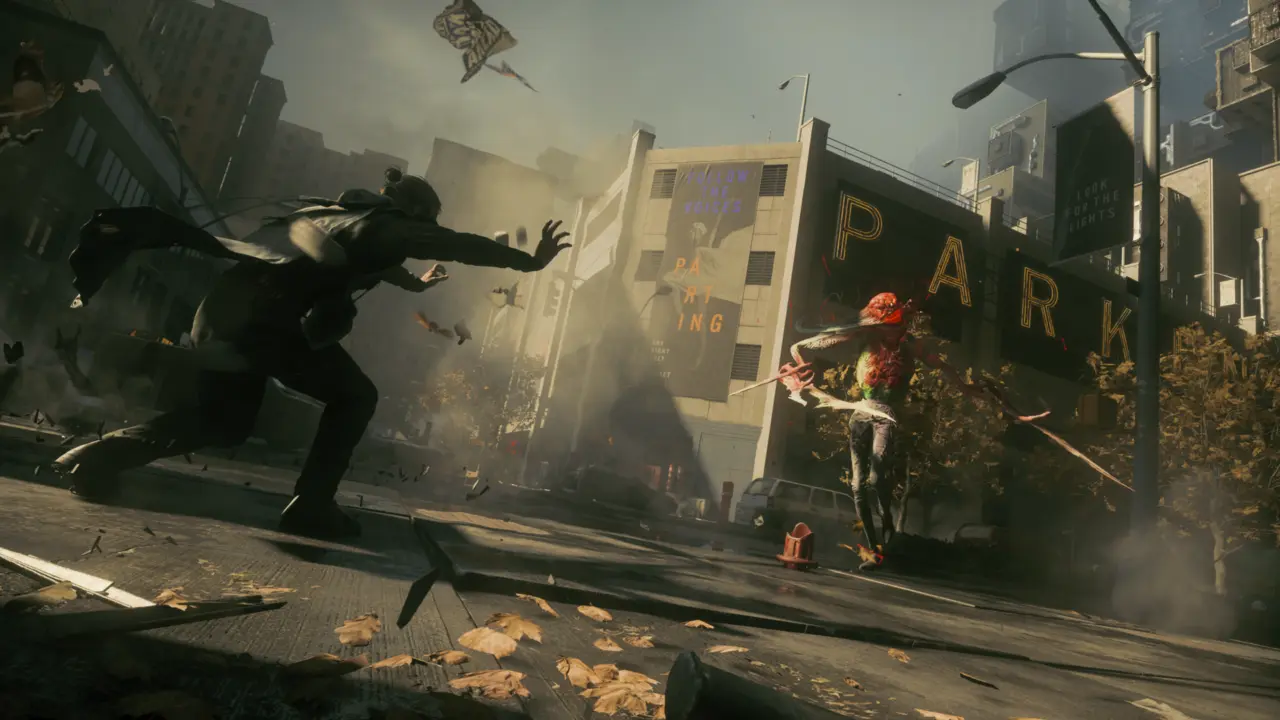
Control Resonant forces PC gamers to confront the heavy toll of modern path tracing. Remedy Entertainment’s sequel pushes current graphics cards to their limits, making upscaling technology the only viable path to smooth gameplay. Players seeking high frame rates at 4K or with ray tracing enabled will need to rely on advanced rendering suites rather than raw power alone.
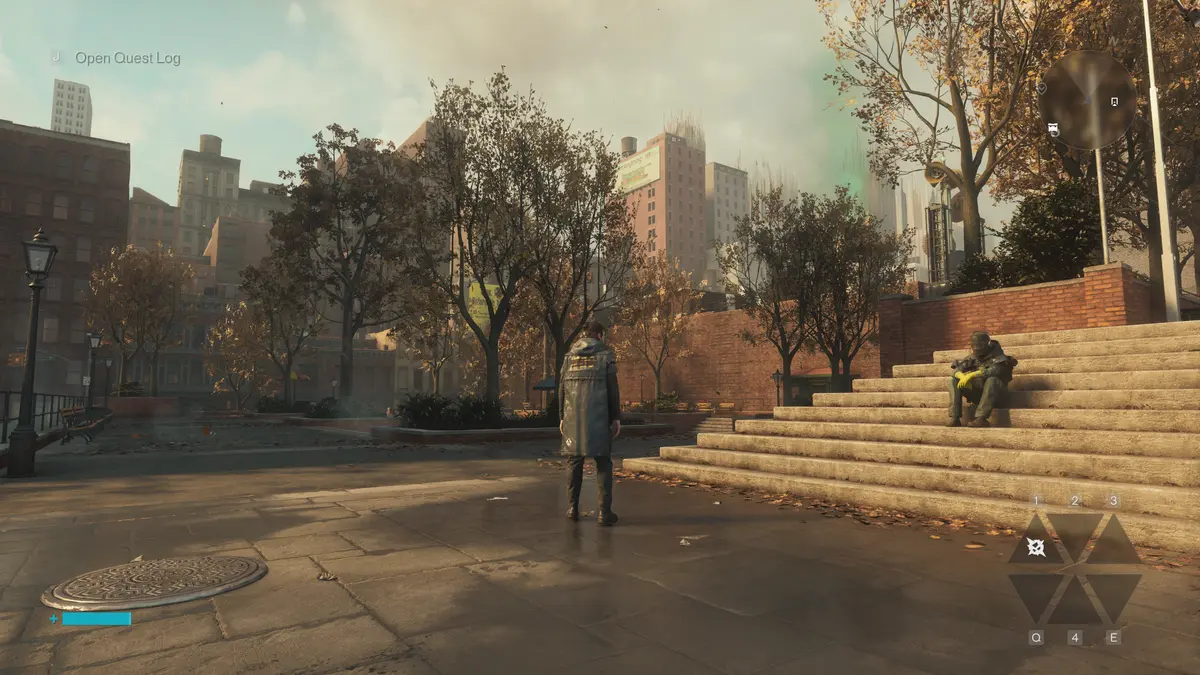
Benchmark results show Nvidia cards hold a distinct advantage in image stability and latency reduction
The title utilizes Nvidia’s RTX Mega Geometry and the full DLSS 4.5 suite, including Super Resolution, Ray Reconstruction, and Multi Frame Generation. This technical stack defines the performance baseline for the game, with Nvidia cards holding a distinct advantage in image stability and latency reduction. AMD’s FSR 4.x technology is available for RX 9000 and RX 7000 series cards, but it struggles to match the visual fidelity of Nvidia’s solution.
- Raster Performance (1080p Ultra, RT Off): Requires RTX 5060 Ti / RX 9060 XT or better for ~60 FPS; RTX 3060 averages <30 FPS
- Raster Performance (4K): Only RTX 5090 delivers 60 FPS average; upscaling/frame generation required for all other cards
- Ray Tracing Performance (1080p Medium): RTX 4070 Ti, RX 7900 XTX, RTX 5070 land just below 60 FPS; RX 9070 XT hits 60 FPS
- Path Tracing Performance (1080p Ultra): DLSS 4.5 Quality + 2X Frame Gen + Ray Reconstruction enables playable latency (<60ms) on RTX 5060 and up
- AMD FSR Latency: FSR Frame Generation lacks robust latency reduction; input latency remains high even with Anti-Lag
Raster performance at 1080p Ultra requires an RTX 5060 Ti or RX 9060 XT to maintain approximately 60 FPS. Older hardware like the RTX 3060 averages below 30 FPS under the same conditions. Ray tracing and path tracing demand even more power, with only the RTX 5090 capable of delivering 60 FPS at 4K without assistance. All other cards require upscaling or frame generation to achieve playable framerates in these modes.
Nvidia DLSS 4.5 provides a superior path-tracing experience by offering better image quality and lower input latency than AMD FSR 4. Even the RTX 5060 can achieve playable latency under 60ms with DLSS Quality and 2X Frame Generation. AMD cards lack robust input latency reduction for FSR Frame Generation, leaving input lag high even when Anti-Lag is enabled. This technical gap means AMD users cannot max out ray tracing settings without sacrificing the smoothness found on GeForce cards.
Jeff Kampman, a senior graphics analyst, noted that the Hiss-corrupted Manhattan setting looks fantastic but criticized the character models as a step back in detail. He also highlighted that the situation is less rosy on the AMD side due to incomplete implementation of their gaming tech suite. We looked at the last Control Resonant update earlier while tracking NVIDIA launches, where similar balance and stability themes emerged.
Control Resonant serves as a benchmark for the necessity of upscaling in next-generation gaming. Gamers with mid-range or older GPUs must enable DLSS or FSR to enjoy the title at higher settings. The game confirms that path tracing remains a heavy burden that only the most powerful hardware can handle natively.

Discussion
0 comments
Log in to join the thread with a thoughtful take, question, or correction.