
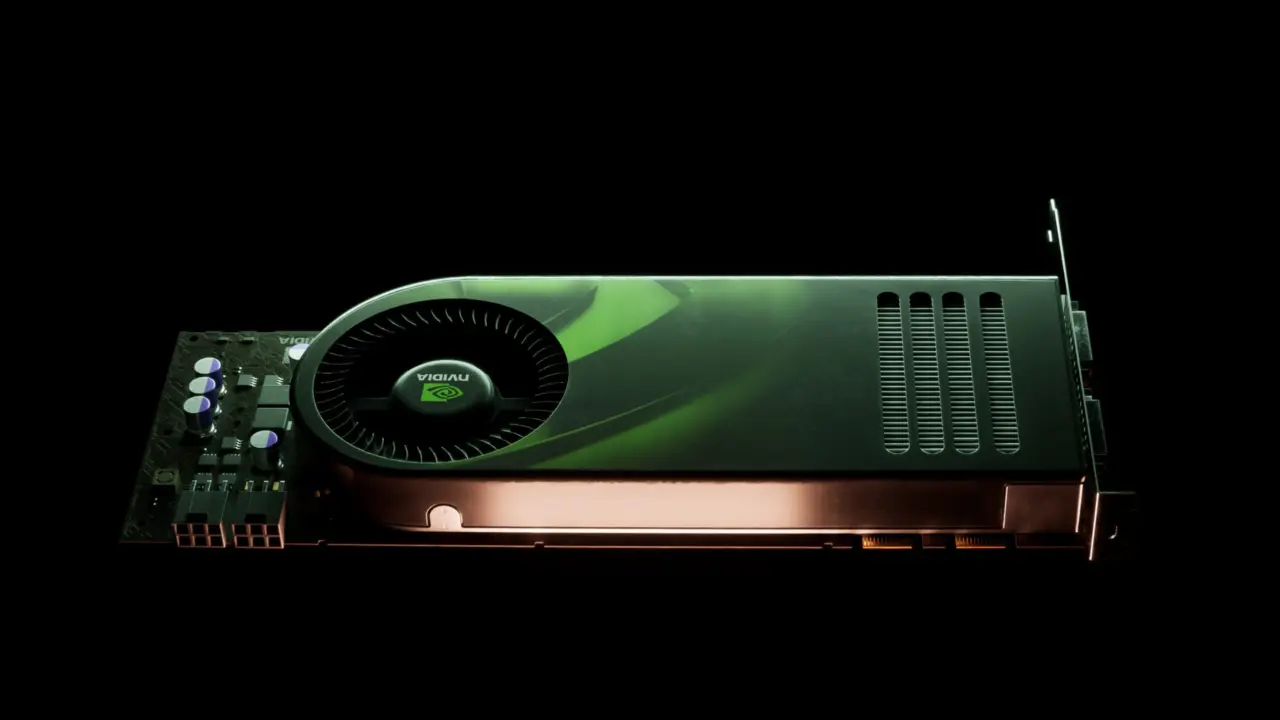
NVIDIA celebrates the 20-year anniversary of the GeForce 8800 GTX with a special commemorative demo on Steam. This brings the high-end PC gaming experience of the mid-2000s to modern gamers. We get to see how the original architecture compares to modern rendering standards.
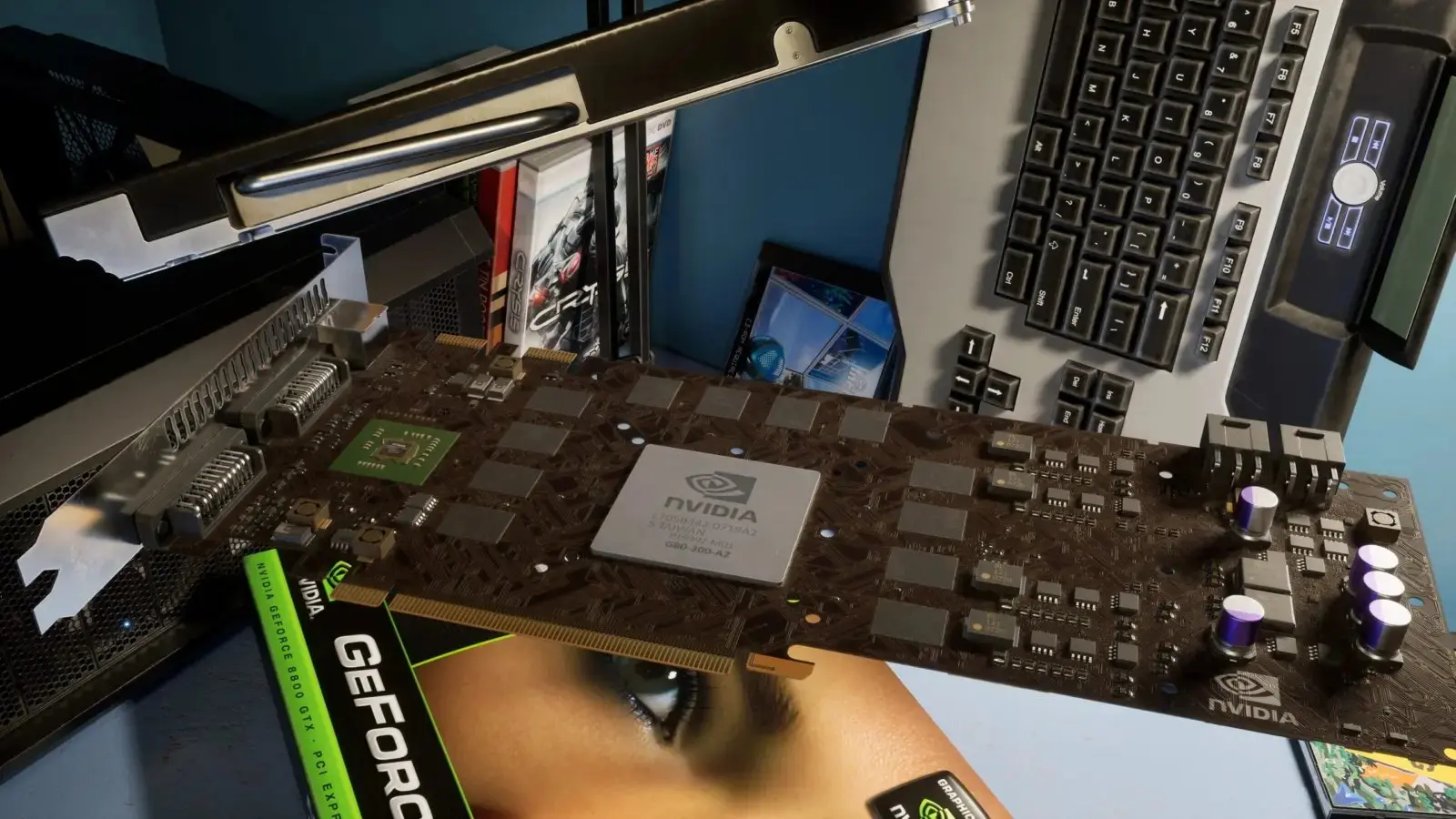
NVIDIA releases playable GeForce 8800 GTX demo with Path Tracing and DLSS 4.5
NVIDIA’s GeForce 8800 GTX was launched on November 8, 2006. It was the first CUDA-capable GPU from the company. The new graphics card came with a new Tesla G80 architecture, on a 90nm process node.
- Architecture: Tesla (G80)
- Process Node: 90 nm
- CUDA Cores: 128
- Base Clock: 576 MHz
- VRAM: 768 MB GDDR3
It had 128 CUDA cores. It had a base clock speed of 576 MHz.
NVIDIA has now launched a playable demo on Steam called 'GeForce 8800 GTX – 20 Years of a Legend'. The new demo uses modern RTX technologies such as Path Tracing and DLSS 4.5. The original card had 768 MB of GDDR3 memory.
It had a 384-bit memory bus. The GPU provided 86 GB/s memory bandwidth. The total power rating was 155W.
The GeForce 8800 GTX had an MSRP of $599 when it was launched. It was one of the few graphics cards that could play high-FPS games like Crysis, Bioshock, or Company of Heroes at playable frame rates. Refer to our previous Nvidia post on NVIDIA Denies RTX 5090 Discontinuation.
The 20-year anniversary demo of the GeForce 8800 GTX brings the gap between old hardware to modern ray-tracing powers. The 8800 GTX was a benchmark in performance for years. This is a piece of history about the performance achieved by the original card.


What are the actual frame rates with path tracing enabled on modern hardware? I need real numbers before I care about the nostalgia trip.
The demo uses DLSS 4.5 to bridge the gap. It runs the old G80 logic through modern ray tracing pipelines. You get high fidelity without the hardware limitations of 2006.
128 cuda cores feel so light now 😅
The G80 architecture was a massive shift from fixed function pipelines. It introduced the programmable shader model that we still rely on today.
The demo is a standalone executable. It does not require the full client or anti-cheat modules. It should work fine with Proton.
They charged five hundred ninety nine dollars for that card. That was a fortune back then and it barely lasted a few years before prices dropped.
Can someone confirm if the Steam demo runs under Proton without anti-cheat blocks? I want to test it on my Linux rig.
tbh the memory bus width is what really stands out. 384 bits was insane for a 90nm chip in 2006.
Just another reason to download the GeForce Experience bloatware I thought I deleted years ago.
768 mb of gddr3 is tiny by modern standards but it ran crysis at the time. Tech moves fast.