
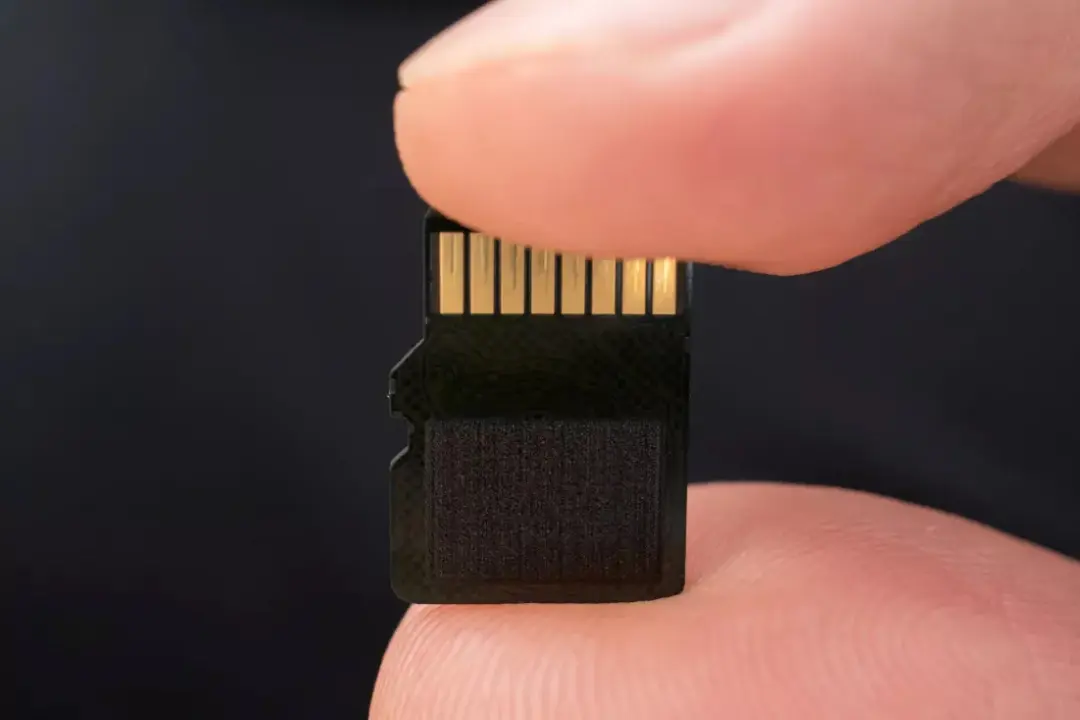
We often assume that storage media will last for years, but a massive three-year endurance test proves that many microSD cards fail long before their expected lifespan. This information is relevant for users of dashcams, security cameras, or data loggers, as sudden failures can lead to the loss of important files. The findings indicate that brand reputation does not ensure reliability, suggesting that buyers should consider empirical test data over marketing claims.
Massive three-year study reveals Amazon Basics outlasts major brands
Matt Cole conducted this extensive evaluation by testing 351 microSD cards from 52 different brands over a period of three years. The goal was to measure how long each card could survive continuous program, verify, and erase cycles under heavy load. Cole shared his findings on Reddit, providing a transparent look at which products hold up and which ones crumble under pressure.
Key Endurance Findings
- Amazon Basics: 16,600 cycles / 4.2PB data (No failures)
- Average Consumer Card: ~10,000 cycles
- Total Cards Tested: 351 from 52 brands
- Failed Cards: 177
- Working Cards: 107
The test results reveal a stark divide in durability across the market. Out of the 351 cards tested, 177 have already failed, while 107 remain fully functional. The average consumer-grade card lasted approximately 10,000 cycles before showing signs of failure. This baseline illustrates that standard consumer storage is not designed for continuous, write-intensive operations.
Amazon Basics cards stood out as the most durable option in the entire test. These cards completed 16,600 cycles and recorded 4.2 petabytes of data without a single failure. In contrast, brands like ADATA, Gigastone, Micro Center, Silicon Power, and SanDisk performed poorly and were excluded from the top rankings. PNY, Kingston, Delkin Devices, Lexar, and Samsung ranked as the strongest consumer brands.

Cole noted that Amazon may change internal components like NAND flash without altering the product name, which could affect future batches. This uncertainty means that current test results might not apply to cards bought today if the manufacturer switches suppliers. These results represent a snapshot of current inventory performance and should not be interpreted as a permanent guarantee for all future units.
The core takeaway is that not all microSD cards are created equal, and endurance varies significantly between brands. Users requiring high write endurance should prioritize top-performing brands or the Amazon Basics line. Using untested or lower-performing brands increases the risk of sudden data loss in critical applications.


Discussion
0 comments
Log in to join the thread with a thoughtful take, question, or correction.