
A new game release has triggered hardware failures in two Alienware laptop models, raising concerns about the stability of kernel-level anti-cheat software. Users of the Alienware m17 R4 and m15 R3 reported that their machines stopped working shortly after launching Neverness To Everness. This incident highlights the potential risks of aggressive background processes in modern gaming titles.

Repair experts suspect hardware stress rather than direct software damage
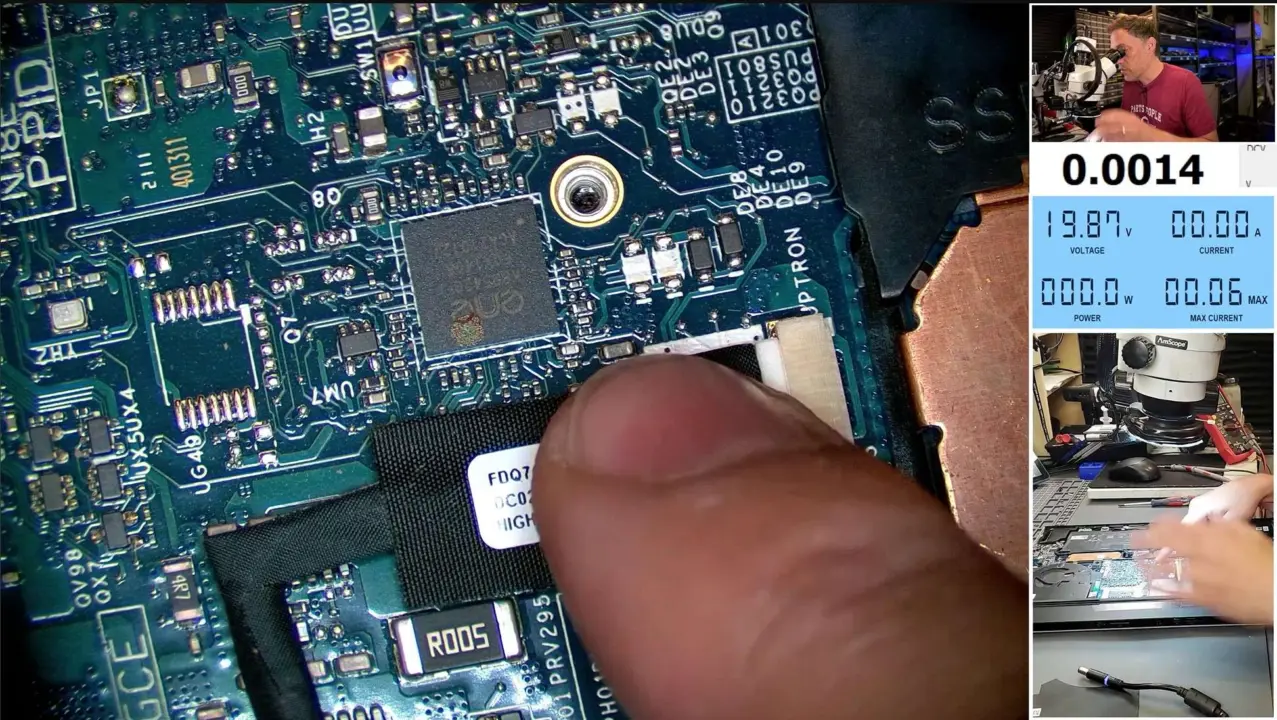
The core issue involves corruption of the Embedded Controller (EC) chip, a component that manages low-level hardware functions. Dell stated that both affected laptops needed their embedded controller chips reprogrammed to restore basic functionality. The failure occurred specifically on the m17 R4 and m15 R3 models, which are part of Alienware's gaming lineup.
Repair experts suspect that the root cause is hardware stress rather than direct software damage. They point to overheating or power spikes as the likely culprits behind the chip corruption. The timing of the failures coincides with the launch of Neverness To Everness, which uses kernel-level anti-cheat measures known to cause system instability in other reports.
In one specific case, the m17 R4 suffered a secondary display failure after the EC chip was reprogrammed. Technicians connected a test screen and found that the internal panel had stopped working, though they could not confirm if the game software caused this specific issue. This secondary failure suggests that the hardware stress may have extended beyond the EC chip itself.


Discussion
0 comments
Log in to join the thread with a thoughtful take, question, or correction.