
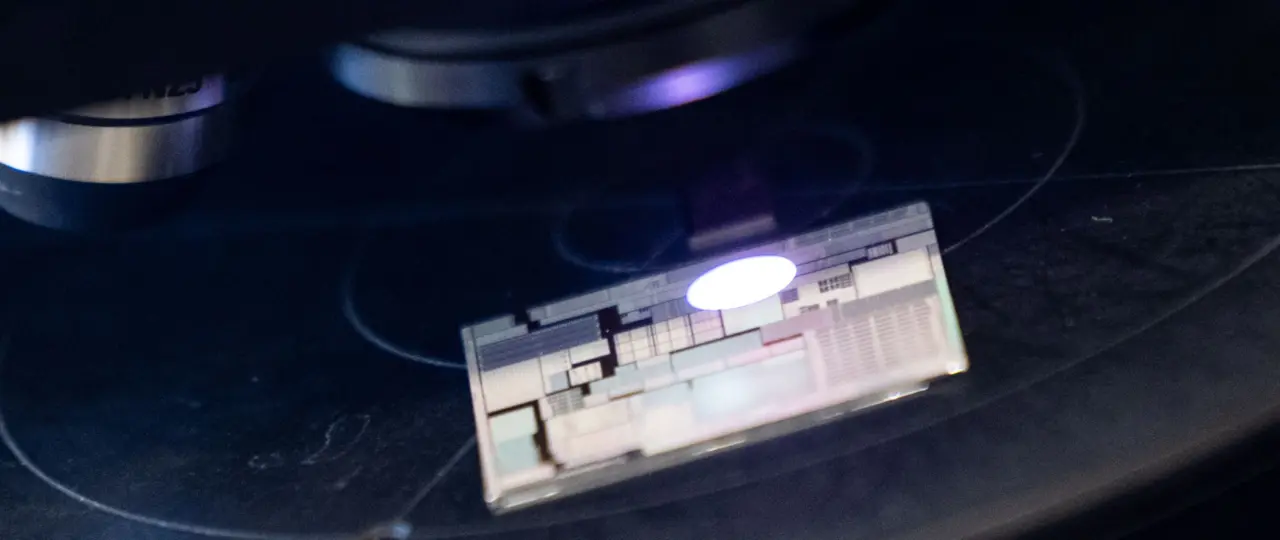
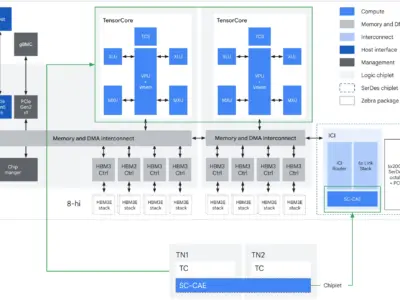
AI systems are beginning to outperform human engineers in narrow, structured areas of semiconductor chip design. Google DeepMind reports that its AlphaChip reinforcement-learning system created layouts for three generations of Tensor Processing Units that it claims surpass human designers. Synopsys states that its DSO.ai tool has completed over 100 production tape-outs while delivering productivity boosts exceeding three times and power reductions up to 25 percent.
Google DeepMind AlphaChip and Synopsys DSO.ai tools demonstrate superior performance over human designers in structured tasks.
Researchers at the University of California, Berkeley developed a system called ArchAgent that generates cache replacement policies in just two days. This AI-generated policy achieved a 5.3 percent improvement in instructions per cycle speedup compared to previous state-of-the-art methods on Google's multi-core workload traces. The same team reported that refining single-core SPEC06 benchmarks required an additional 18 days of processing for only a 0.9 percent gain.
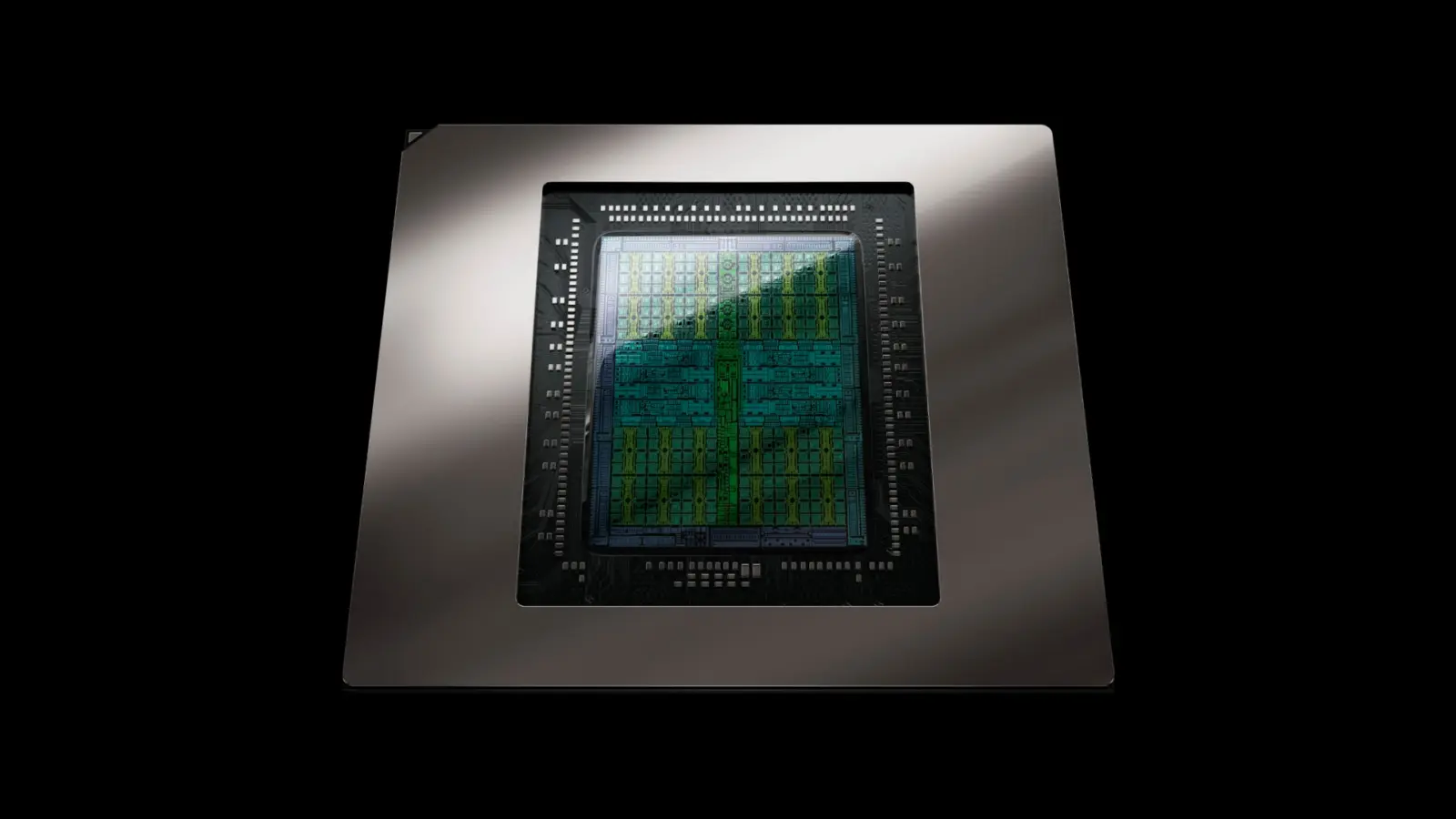
Experts emphasize that AI currently acts as a force multiplier rather than a full replacement for human engineers in chip design. Borivoje Nikolić notes that the industry focuses on using AI to automate tasks and reduce costs, while Sagar Karandikar explains that humans still provide high-level guidance and new ideas. Igor Markov adds that automating straightforward steps like formalizing natural language specifications for power networks reduces time from days to hours.
The integration of large language models into hardware design workflows marks a significant shift in how engineers approach complex problems. Nikolić suggests that AI may eventually overcome barriers that traditionally limit human innovation in this field. Markov warns that these tools require solid foundational designs and unambiguous specifications to function effectively, as they struggle with messy real-world scenarios lacking clear parameters.


Discussion
0 comments
Log in to join the thread with a thoughtful take, question, or correction.