
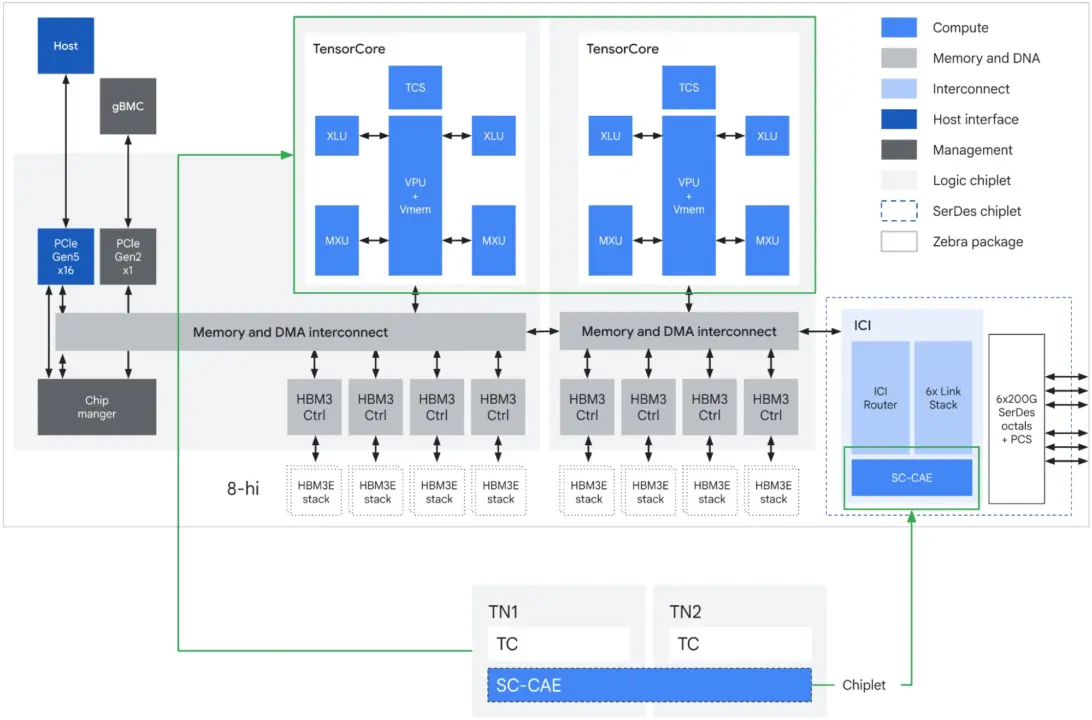
Google’s former AI chief Jeff Dean argues that artificial intelligence can fundamentally reshape how we build computer chips. This shift matters because it promises to slash the massive teams and long timelines that currently bottleneck hardware innovation. If automated systems can handle the heavy lifting, companies might design specialized silicon much faster than before.
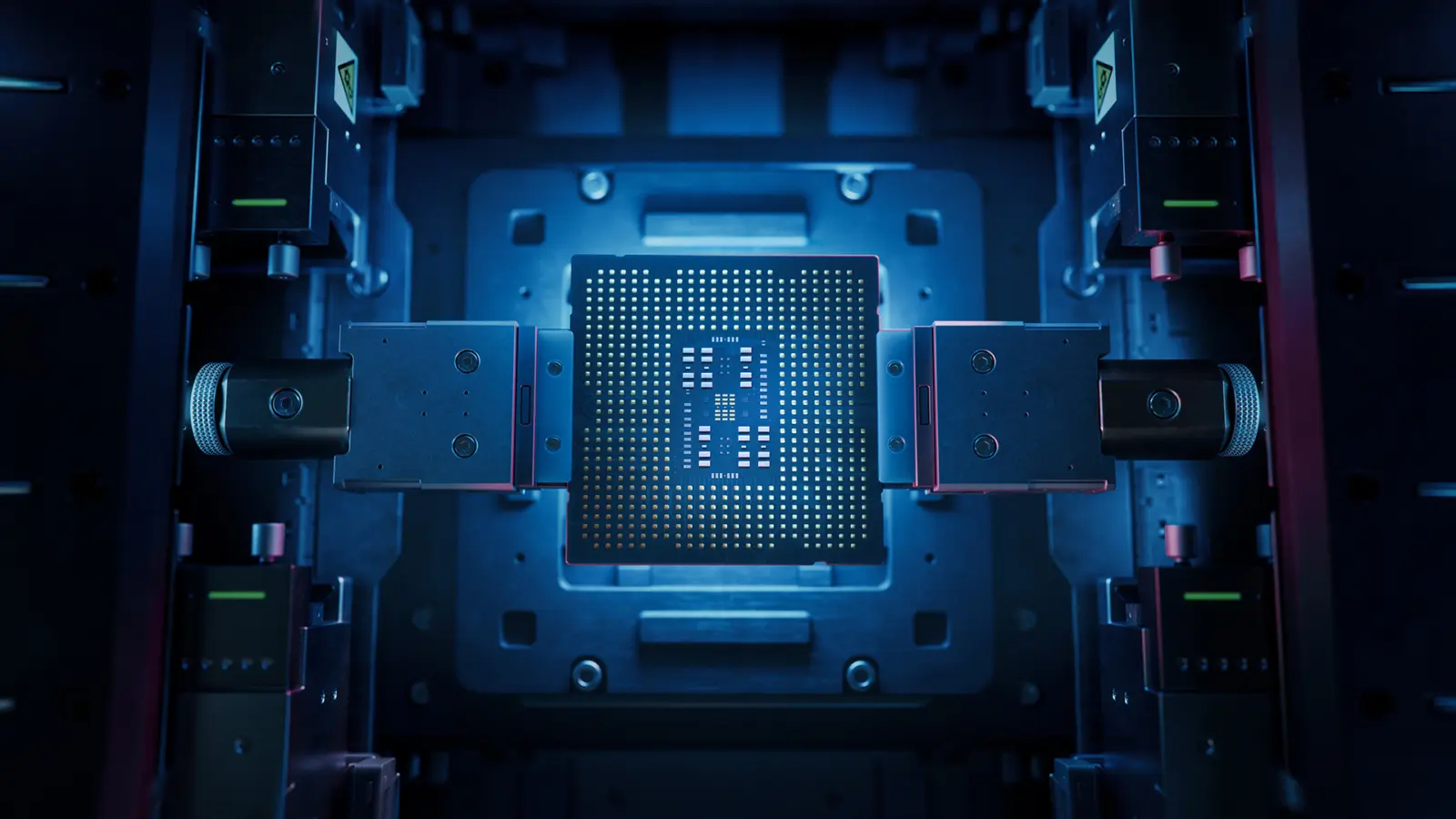
Jeff Dean argues AI automation could compress chip development timelines from two years to three months
Dean, who served as Google’s chief scientist and AI head, is pushing for a move away from traditional electronic design automation tools. He believes that reinforcement learning and evolutionary algorithms can replace much of the manual work done by large engineering groups. The goal is to create a self-improving loop that designs chips without constant human intervention.
The scale of this potential change is stark in Dean’s estimates. He predicts that chip design teams could shrink from 150 engineers down to just 10. Development cycles, which typically take two years, could be compressed into three months using these automated methods. This acceleration would allow hardware to keep pace with the specific demands of dominant AI workloads.
Dean emphasizes that specialized hardware is essential because a small number of workloads drive most global computing needs. Current tools struggle to keep up with the complexity of these specialized requirements. Automated design loops offer a way to overcome these traditional limitations by rapidly testing and refining architectures. This approach focuses on efficiency and speed rather than broad general-purpose computing.


Discussion
0 comments
Log in to join the thread with a thoughtful take, question, or correction.