
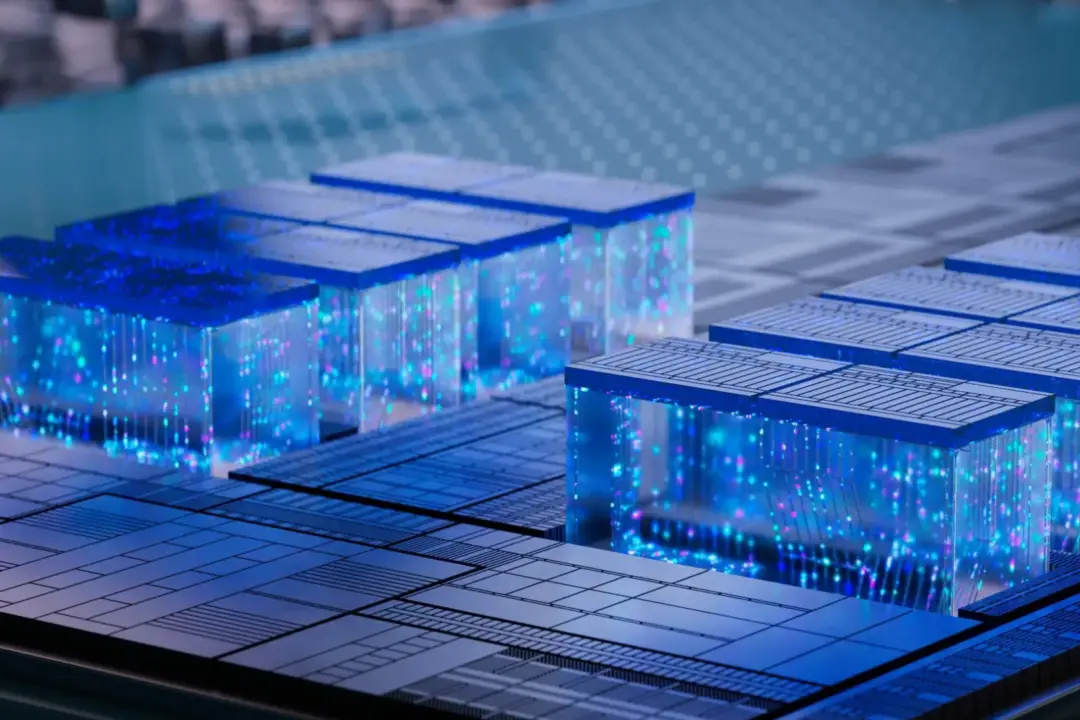
ARM has outlined a strategic vision for future processor architectures that prioritizes massive core counts to support the growing demands of artificial intelligence. The company states that the AI era drives not only explosive growth in overall CPU demand but also a continuous increase in the number of cores per chip. This shift reflects a fundamental change in how intelligent agents operate, moving away from tightly coupled multi-core synchronization toward independent execution.
Current AGI CPU configuration features 136 cores with future targets between 256 and 512
ARM currently offers an AGI CPU configuration with 136 cores. The company expects future designs to expand significantly, targeting core counts between 256 and 512. This trajectory aligns with broader industry movements, as AMD plans to release a 2nm Zen6 EPYC processor with 256 cores. Intel is also increasing its core density, with its current Xeon E series reaching 288 cores and next-generation models expected to hit 512 cores.
Spec comparison
| Spec | ARM AGI CPU | AMD Zen6 EPYC | Intel Xeon E |
|---|---|---|---|
| Current Core Count | 136 | 256 | 288 |
| Future Core Target | 256-512 | 256 | 512 |
| Architecture Focus | AI Agents | 2nm Zen6 | Xeon E Series |
ARM argues that the move toward higher core counts is technically justified by the nature of AI workloads. The company claims that AI agents run asynchronously and are well-suited for single-core processing, which improves energy efficiency by eliminating the need for multi-core coordination. More cores allow systems to handle a greater number of concurrent batches of AI agent tasks, making the architecture more scalable for independent workflows.
Rene Haas, CEO of ARM, emphasized that many intelligent agents prefer running their respective tasks, workflows, or batches on independent CPU cores. He described the increase in core density as a fundamental reason for the direction of future CPU chip design. The company maintains that the more cores a processor has, the better it performs for these specific asynchronous workloads.
ARM has not confirmed specific launch windows or pricing for these future high-core-count architectures. The company continues to advocate for the core-count expansion strategy as the primary solution for handling the complexities of modern AI agent processing.

Discussion
0 comments
Log in to join the thread with a thoughtful take, question, or correction.