
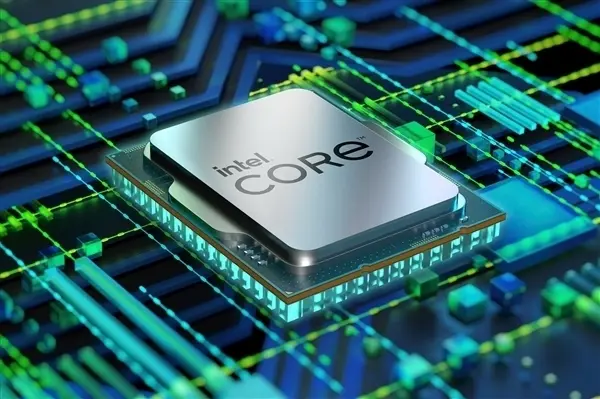
Intel's next-generation Core processors, codenamed Nova Lake, have passed USB forum certification, a milestone that confirms the platform's connectivity roadmap before its public debut. This certification matters because it locks in the interface standards for both high-end mobile workstations and desktop systems, allowing buyers to plan peripheral upgrades with confidence. The move signals that Intel is finalizing the hardware details for its upcoming Core 400 series, which will replace current generation chips in laptops and desktops later this year.
Intel's next-gen Core 400 series confirms 80Gbps USB4 for mobile and 20Gbps for desktop
The Nova Lake lineup introduces distinct connectivity tiers for mobile and desktop segments, reflecting different use cases and chipset architectures. Mobile processors, designated as Nova Lake-H, will support USB4 at speeds up to 80Gbps, enabling high-bandwidth data transfers and docking station compatibility. In contrast, desktop variants paired with the PCH-S chipset will support USB 3.2 Gen2, which caps out at 20Gbps, showing no upgrade from current desktop standards.
Spec comparison
| Spec | Nova Lake-H (Mobile) | Nova Lake (Desktop) |
|---|---|---|
| USB Support | USB4 80Gbps | USB 3.2 Gen2 20Gbps |
| Max Core Count | 28 cores (initial) | 52 cores |
| Cache Size | 288MB bLLC | 288MB bLLC |
Under the hood, the processor is expected to feature up to 52 cores and 288MB of bLLC cache, targeting performance-heavy workloads. The architecture appears to utilize a modular design, with initial launch models likely featuring a single compute module containing 28 cores. The full 52-core dual-module flagship configuration may arrive two to three months after the initial release, according to source expectations.
Official release is anticipated around CES early next year, with availability expected globally from late this year into the first quarter. We previously tracked related USB4 hardware developments, such as the Cable Matters Launches 40Gbps USB4 KVM, which highlights the growing ecosystem for high-speed connectivity that Nova Lake will support. These details confirm that Intel is prioritizing mobile performance and high-speed I/O in its next major platform update.
Discussion
0 comments
Log in to join the thread with a thoughtful take, question, or correction.