
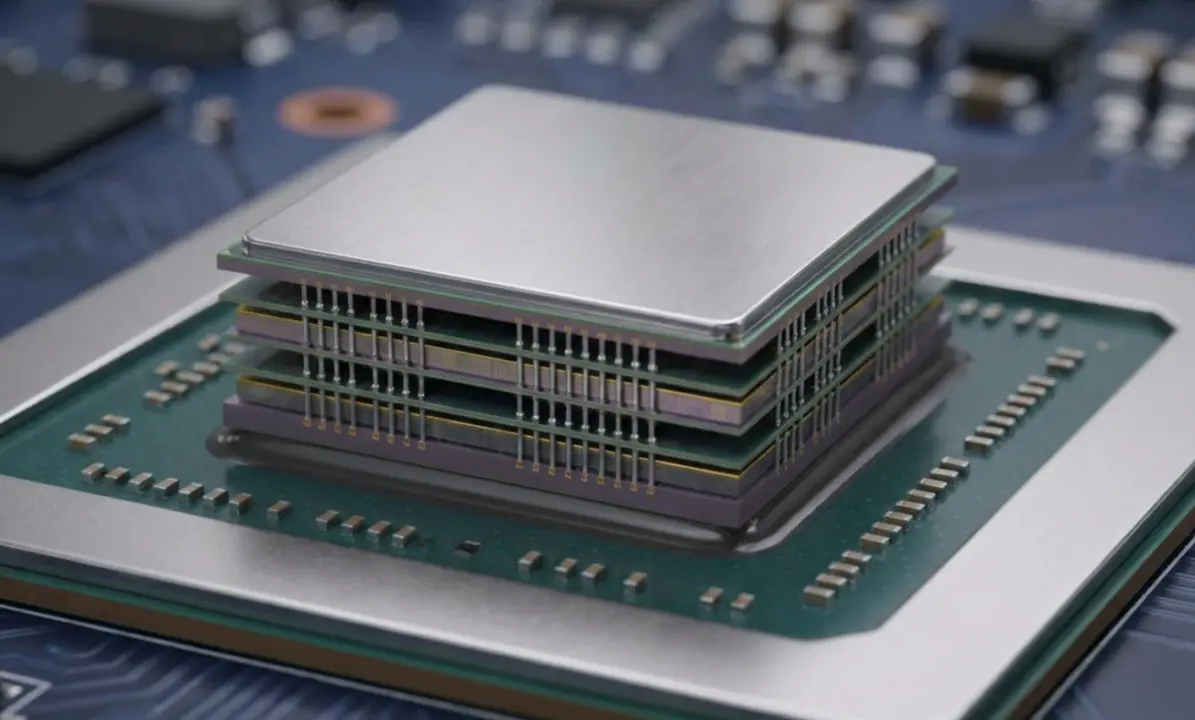
Chinese memory maker CXMT is advancing its high-bandwidth memory roadmap, signaling a shift from development to early manufacturing for HBM3 and HBM3e chips. This development matters because it introduces a new domestic supplier for the AI accelerator market, potentially altering supply chain dynamics for hardware builders and data center operators. The move reflects a broader push to secure local components for high-performance computing infrastructure.
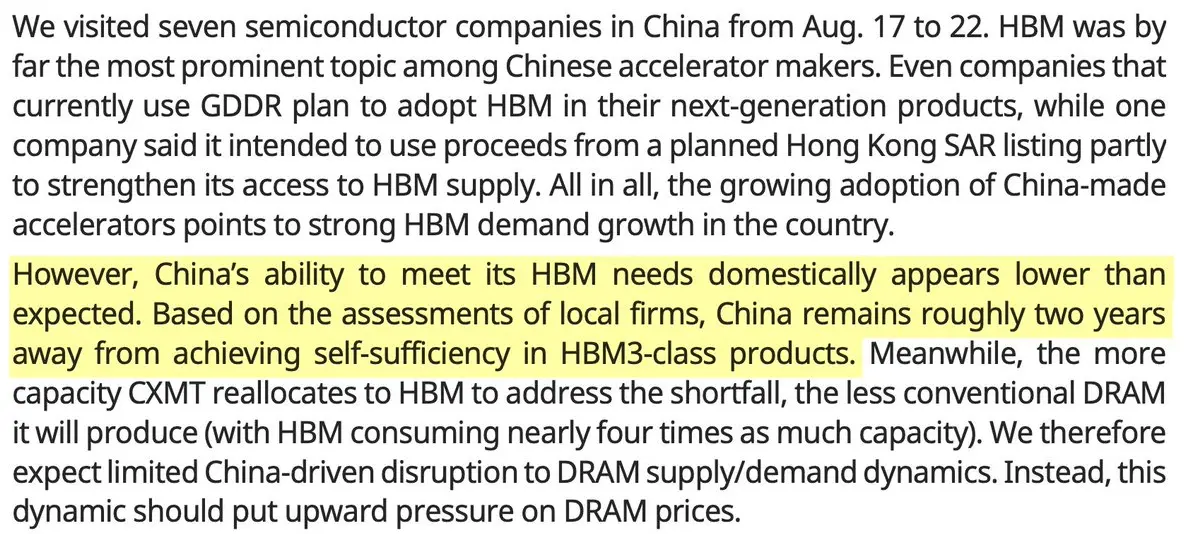
Chinese maker targets 4 million annual HBM3e stacks by 2027
The vendor is currently producing small-scale batches of HBM3 and HBM3e memory stacks. CXMT plans to scale up to mass production of 12-layer HBM3e stacks in 2025. This timeline marks the first time the company aims for full-volume output of its latest high-bandwidth memory architecture.
- Production Status: Small-scale production of HBM3/3e; mass production of 12-hi HBM3e expected in 2025
- Projected Capacity: 3-4 million stacks annually by 2027
- AI Support: Supports 800,000-1,000,000 AI accelerators
- Production Constraint: Requires 3-4x general DRAM chip capacity
Production of HBM memory requires a significant multiplier of general DRAM chip capacity, specifically three to four times the volume needed for standard chips. This constraint limits immediate output, as China faces shortages in DDR4, DDR5, and LPDDR components. The company projects an annual capacity of 3 to 4 million stacks by 2027, which would support between 800,000 and 1,000,000 AI accelerators.
Financial analysts from Future Asset Securities and Kuai Keji predict that domestic supply will not significantly disrupt global HBM pricing in the next two years. They expect supply and demand to remain balanced rather than collapsing due to capacity constraints. Specific technical yield rates and exact production volumes remain classified as state secrets, limiting public verification of these figures.
We looked at the last HBM3/HBM3e Memory update, where several of the same balance and stability themes came up. CXMT continues to narrow the gap with international competitors, though the immediate impact on global markets remains modest. The company's focus remains on securing domestic supply chains for AI hardware.
CXMT's progress demonstrates a clear pathway for domestic HBM production, with mass manufacturing targeted for 2025 and scaled capacity by 2027. The industry will watch how general DRAM shortages affect the timeline for these high-bandwidth memory stacks.


Discussion
0 comments
Log in to join the thread with a thoughtful take, question, or correction.