
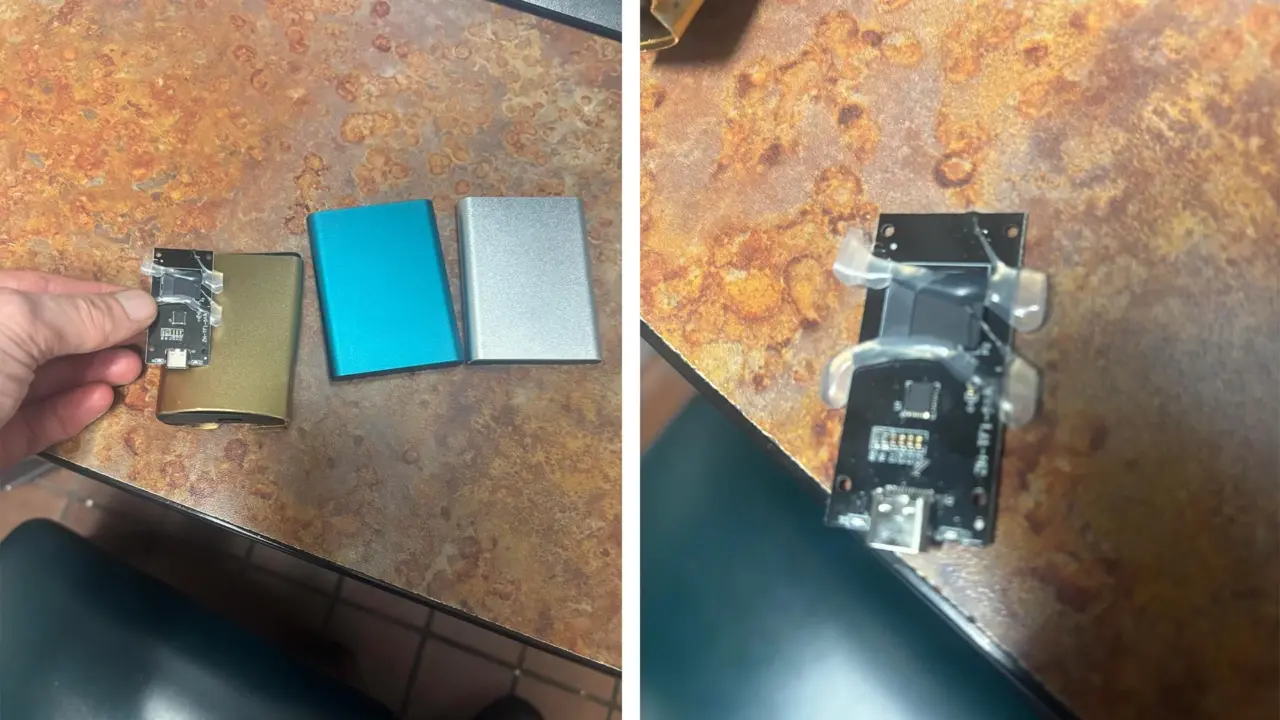
A customer recently discovered that three 32TB external hard drives purchased from an unverified online store were complete frauds. This incident highlights a growing risk for buyers seeking high-capacity storage during the ongoing DRAM shortage. Scammers are exploiting the scarcity and high demand for large drives to sell fake products at prices that seem too good to be true. Buyers should verify the legitimacy of any seller offering storage capacities that exceed current market norms.
Customer discovers fake drives contain only microSD cards glued to PCBs
The drives arrived with enclosures that appeared to be standard external hard drive units. Upon connecting them to a computer, the devices failed to function or mount any storage volume. A physical inspection of the drives revealed the deception: the enclosures contained only a microSD card glued to a printed circuit board. This simple hardware trick allows scammers to sell non-functional items as high-capacity storage solutions.
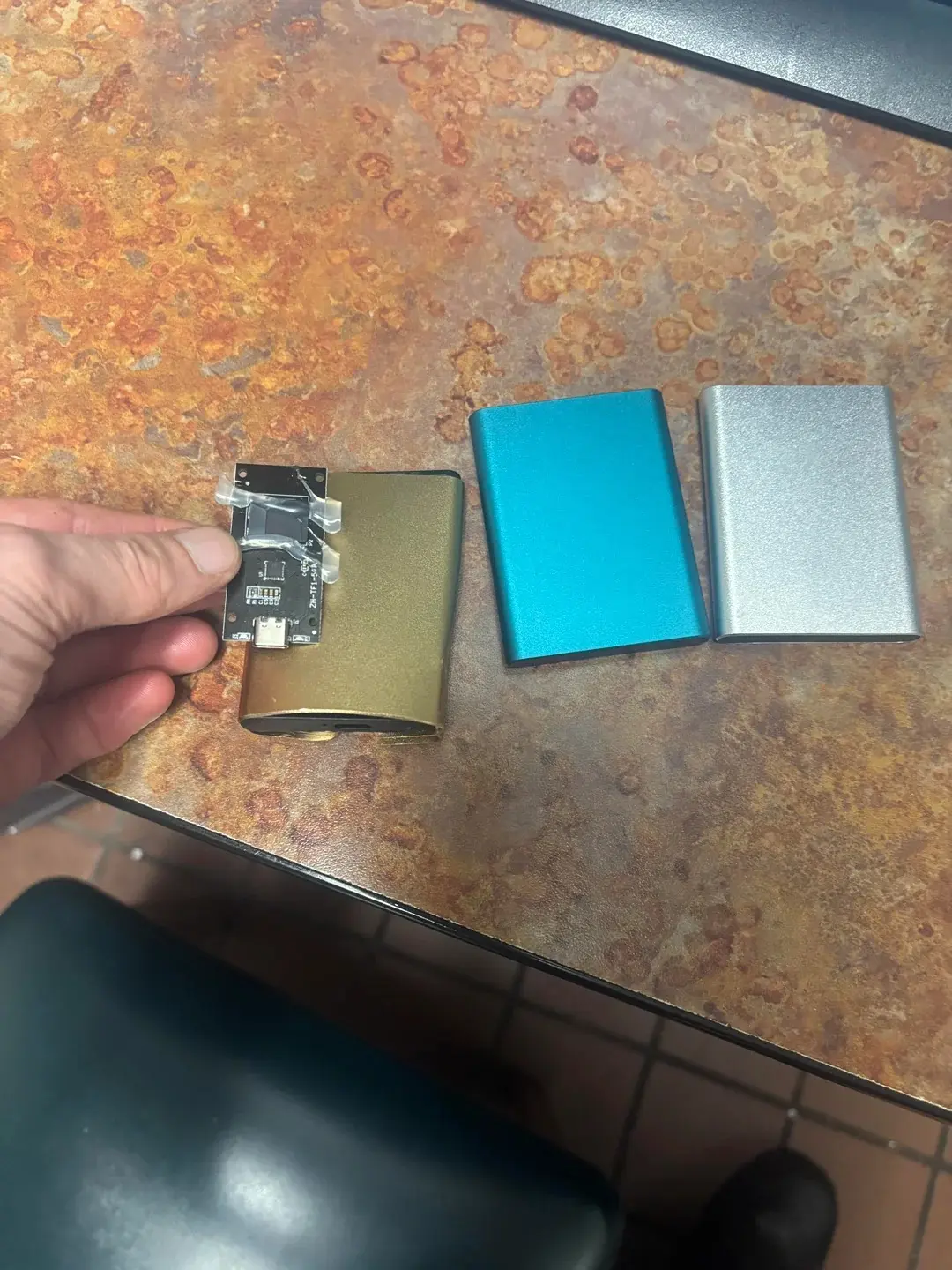
The scam relies on the technical limitations and current market conditions of storage hardware. Legitimate 24TB external drives are priced around $1,059.99, making any offer for a 32TB drive at a significantly lower price impossible. The ongoing DRAM shortage has driven up the cost and reduced the availability of large-capacity storage devices. This economic pressure creates an environment where consumers are more likely to fall for fraudulent offers promising excessive capacity.
This case serves as a clear warning about the dangers of purchasing hardware from unverified sources. Consumers must be skeptical of deals that promise storage capacities far beyond what is currently affordable or available. The difference between a legitimate 24TB drive and a fake 32TB drive is not just price, but the fundamental feasibility of the product. Always check the reputation of the seller and compare prices against known market rates before buying.
Discussion
0 comments
Log in to join the thread with a thoughtful take, question, or correction.