
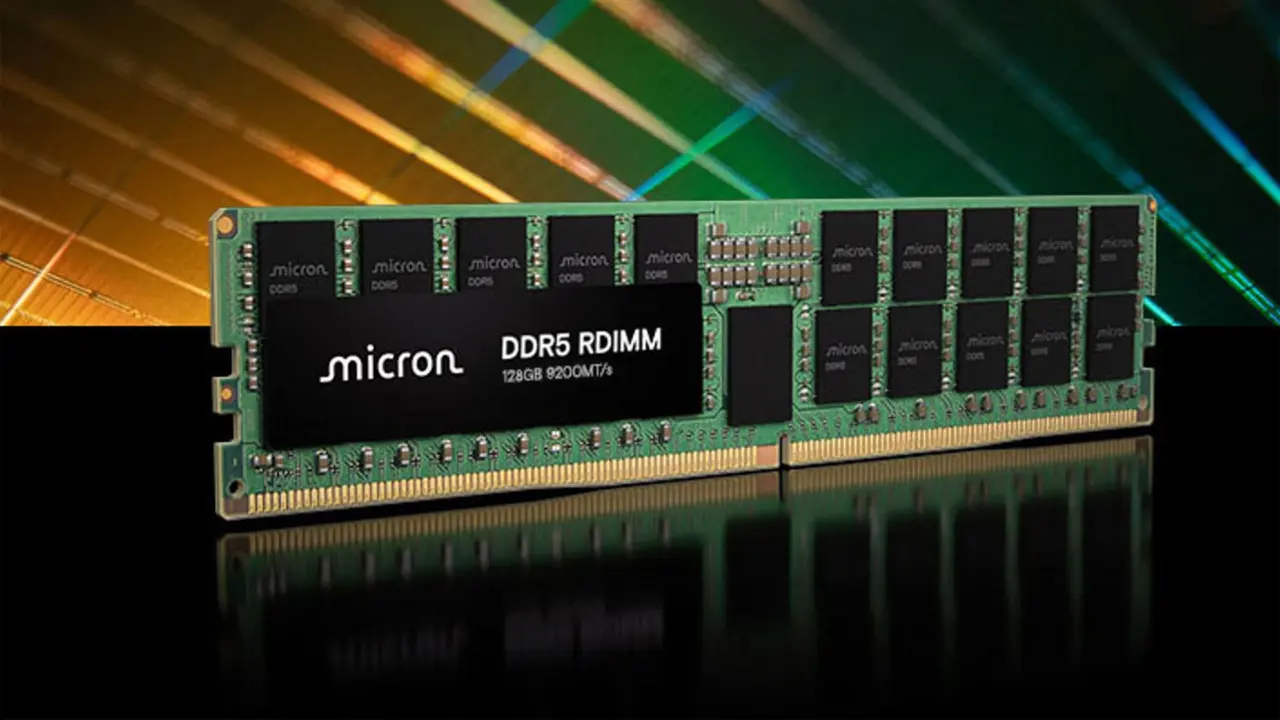
Memory costs are poised to surge dramatically, fundamentally altering the economics of computing hardware for consumers and enterprises alike. Nomura Securities projects that the global memory market will expand from $80 billion in 2022 to $2.06 trillion by 2030. This massive valuation shift indicates that RAM will no longer be a cheap commodity but a critical, high-value asset in the technology supply chain.
Nomura projects RAM costs to hit $18.60 per GB as market value explodes
The core driver of this change is a structural shift in supply and demand that industry analysts believe is permanent. Nomura Securities reports that capacity utilization will exceed 100% while inventory levels remain negative. These constraints suggest that manufacturers cannot simply ramp up production to lower prices, locking in a new baseline for hardware costs.
- Projected 2027 Memory Price: $18.6 per GB
- Projected 2027 Memory Price (CNY): 125 RMB per GB
- Projected 2030 Memory Market Value: $2.06 Trillion
- 2022 Memory Market Value: $80 Billion
- Samsung Projected Profit (2026-2028): $1.1 Trillion
Prices are expected to peak in 2027, reaching $18.6 per GB, which translates to approximately 125 RMB (around $18.47) per GB. This represents a steep increase from historical norms and will directly impact the bill of materials for everything from smartphones to data centers. The sustained high utilization rates mean that buyers will face persistent premium pricing rather than cyclical dips.
Samsung, the largest memory manufacturer, is projected to generate $1.1 trillion in profit between 2026 and 2028. This figure surpasses the company's total revenue of $240 billion recorded in 2022, highlighting the extreme profitability expected in this sector. Such financial projections underscore the severity of the supply crunch and the strategic importance of memory chips in the global economy.
We tracked this analysis because it signals a long-term shift in how hardware value is calculated. The data confirms that memory scarcity is not a temporary glitch but a new industry reality. Buyers should expect higher costs for devices reliant on large amounts of RAM as this trend matures through the end of the decade.
Discussion
0 comments
Log in to join the thread with a thoughtful take, question, or correction.