
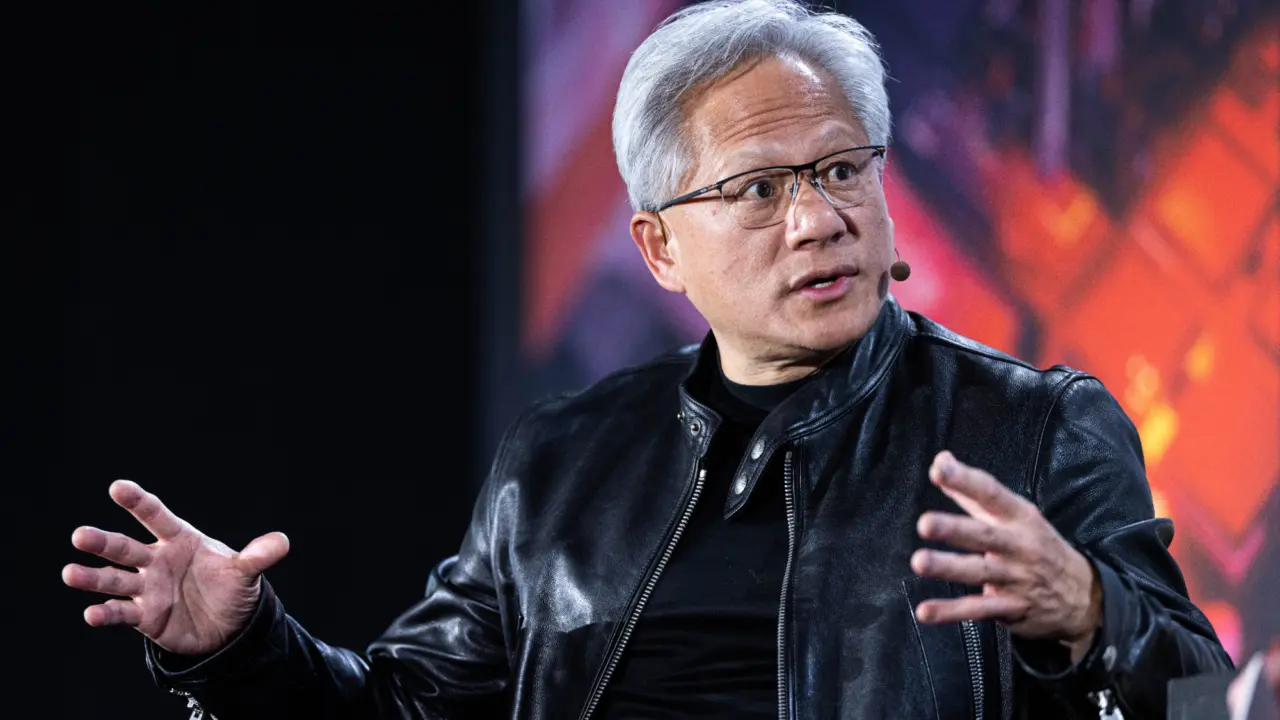
American companies should be permitted to deploy Chinese artificial intelligence models, according to Nvidia chief executive Jensen Huang. This policy stance directly impacts how U.S. developers integrate diverse AI tools into their workflows without facing unnecessary restrictions. The shift aims to reduce security vulnerabilities by encouraging the use of open, inspectable models rather than relying on single, centralized systems.
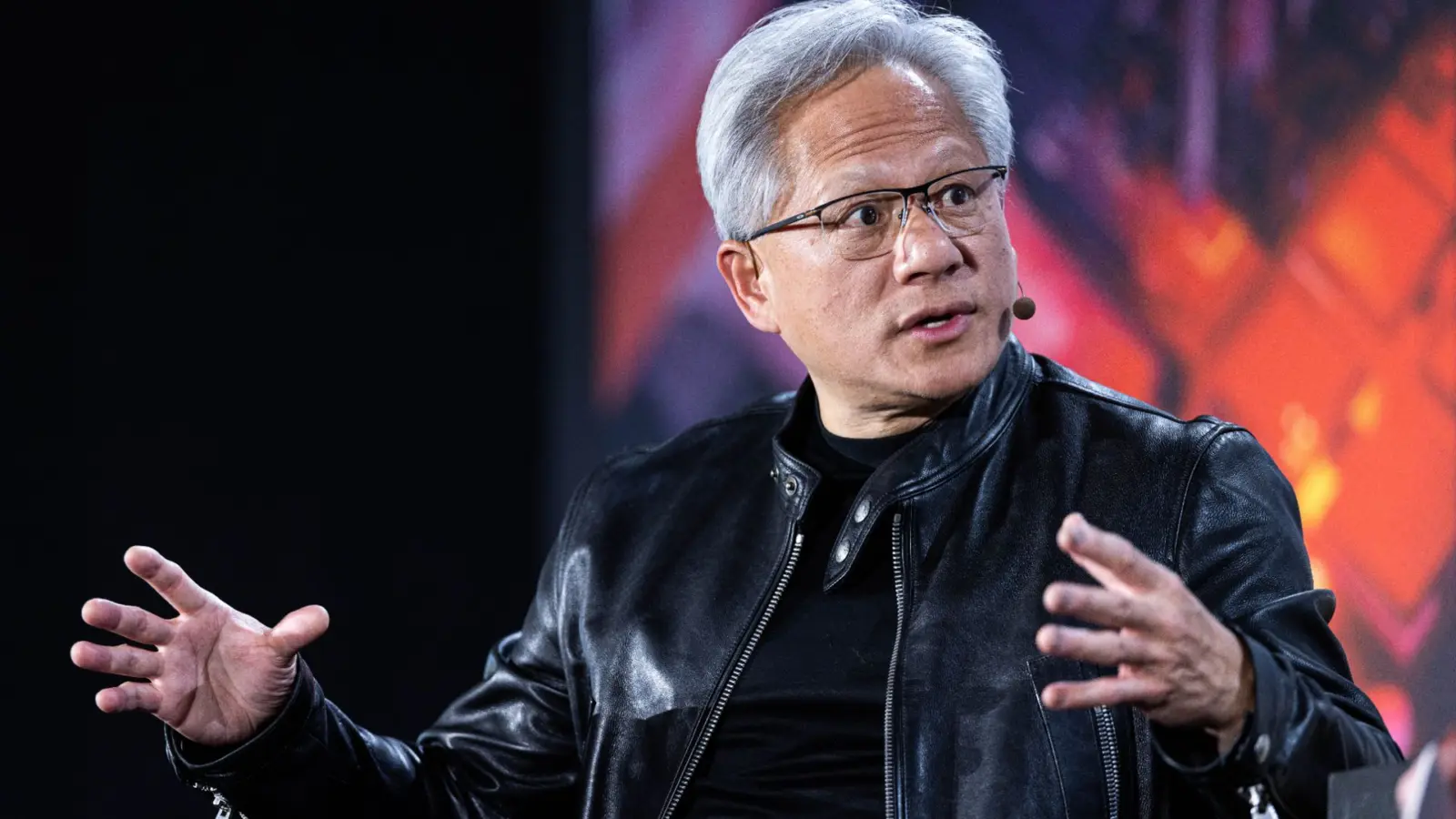
Nvidia chief argues open models prevent single points of failure
Huang specifically highlighted the Kimi K3 model as an example of the technology that benefits from this open approach. He argued that a fragmented ecosystem of multiple models prevents the world from becoming overly dependent on a single point of failure. This perspective positions Nvidia as a proponent of diverse AI infrastructure that prioritizes resilience over monopoly control.
The executive dismissed claims that Chinese AI models contain hidden backdoors linked to the Chinese government, calling such fears a misconception. He explained that users can download these models, fine-tune them, and apply their own security guardrails as needed. This flexibility allows organizations to enhance the models for their specific use cases while maintaining control over the underlying code.
Huang emphasized that open-weight models like Kimi K3 drive broader AI demand by offering cheaper and more accessible alternatives to proprietary systems. He noted that public inspection of these models enables rapid fixes and improves overall security through community scrutiny. This approach supports a healthier industry where innovation is not bottlenecked by closed-source limitations.
The comments follow recent U.S. export restrictions on Anthropic's Mythos and Fable 5 models, highlighting the ongoing tension between trade policy and technological openness. Huang's statements reinforce Nvidia's position that open models are essential for long-term industry growth and security. This stance underscores the company's commitment to supporting a diverse and competitive AI landscape.


Discussion
0 comments
Log in to join the thread with a thoughtful take, question, or correction.