
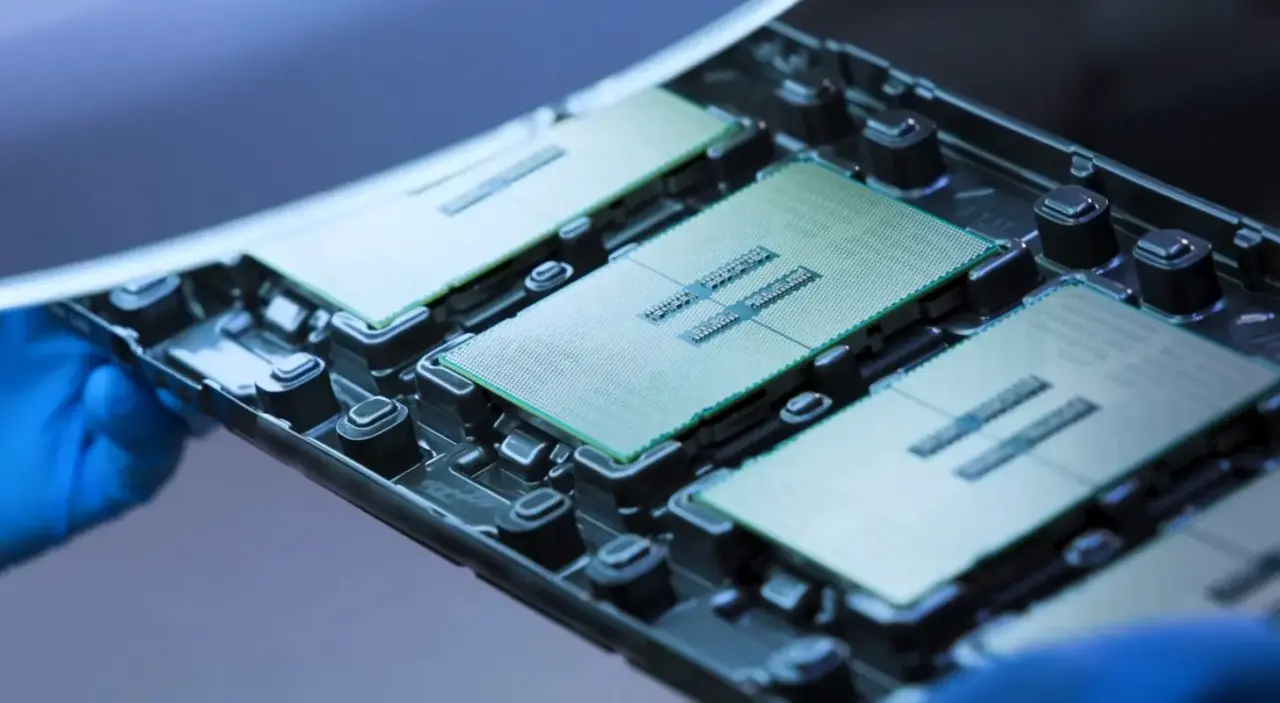
Processor memory capacity is expanding rapidly to support the growing demands of artificial intelligence workloads. Industry analysis indicates that central processing units designed for Agentic AI applications are expected to support memory capacities reaching up to 400 gigabytes. This figure represents a significant increase compared to the current standard offerings from major manufacturers.
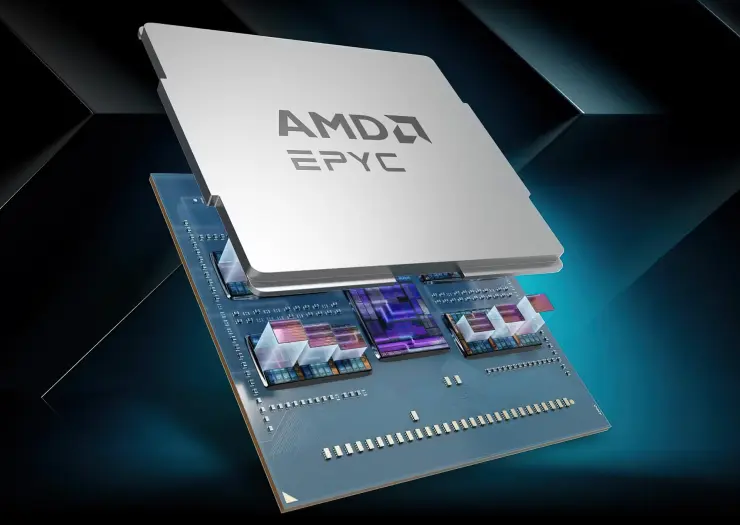
Current server-grade processors typically utilize between 96 and 256 gigabytes of dynamic random-access memory. The projected jump to 400 gigabytes marks a fourfold increase over existing configurations. This expansion is driven by the need to handle larger datasets and more complex model parameters within the processor itself.
Processors designed for autonomous AI applications will support memory capacities up to 400 gigabytes.
Competing hardware vendors are also scaling their memory allocations for next-generation accelerators. NVIDIA anticipates its GB300 platform will feature 288 gigabytes of high-bandwidth memory. AMD plans to equip its upcoming MI400 GPU with 432 gigabytes of memory. Google is also preparing its TPU 8i tensor processor to support 288 gigabytes of high-bandwidth memory.
The rapid scaling of memory requirements is creating pressure on the global supply chain. Samsung has predicted that the dynamic random-access memory shortage will worsen in 2027 compared to 2026. This forecast suggests that manufacturers will face significant challenges in meeting the rising demand for high-capacity memory modules.
Hardware architects must balance performance gains with component availability. The industry is moving toward larger memory footprints to enable more capable AI systems. Supply constraints may impact the timeline for widespread adoption of these high-capacity configurations in the coming years.
Source: wccftech.com


Discussion
0 comments
Log in to join the thread with a thoughtful take, question, or correction.