
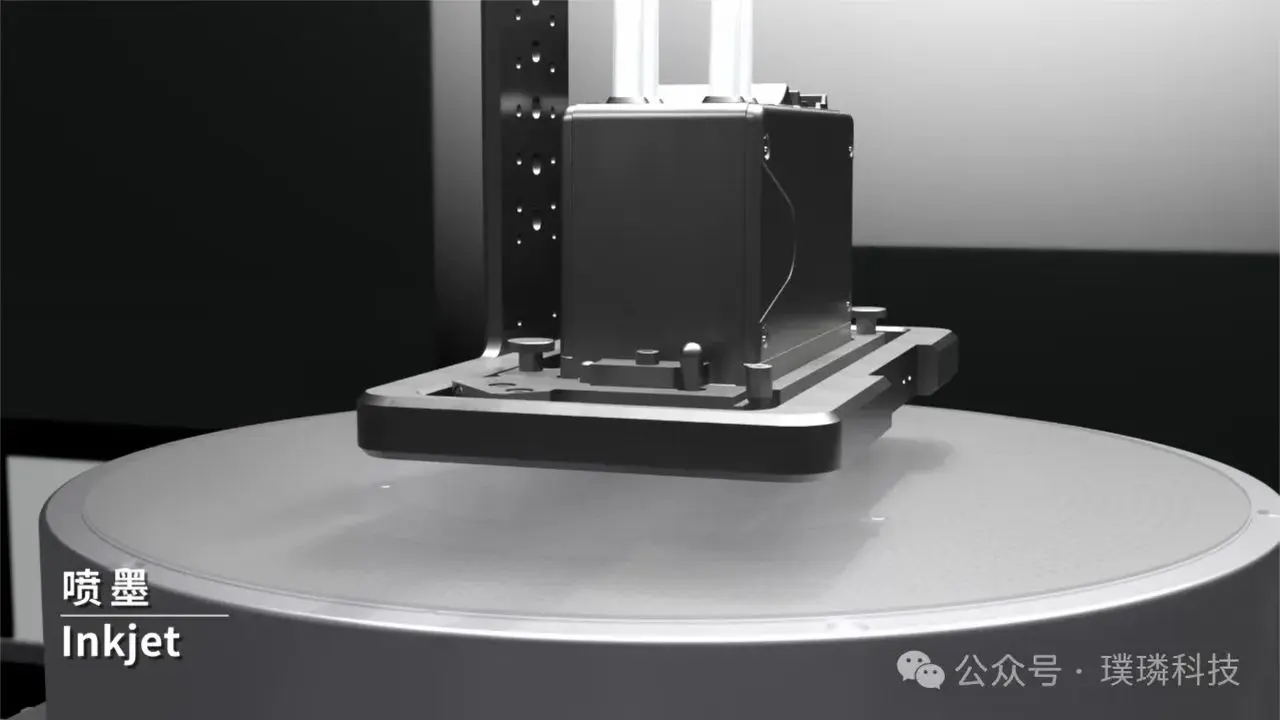
Chinese startup Prinano claims it has moved past traditional chipmaking methods by producing photonic chips without deep ultraviolet lithography tools. The company says its new manufacturing approach cuts production costs to roughly one-tenth of conventional processes. This development matters because it bypasses the need for expensive equipment from suppliers like ASML.
Startup uses vacuum air-cushion system to make optical wafers at lower cost
Prinano built a vacuum air-cushion nanoimprint lithography system called PL-AS to achieve these results. The startup collaborated with Shenzhen Litra Technology to manufacture 8-inch optical chip wafers using this setup. The process targets sub-10-nanometer features on photonic chips while avoiding conventional optical lithography steps.
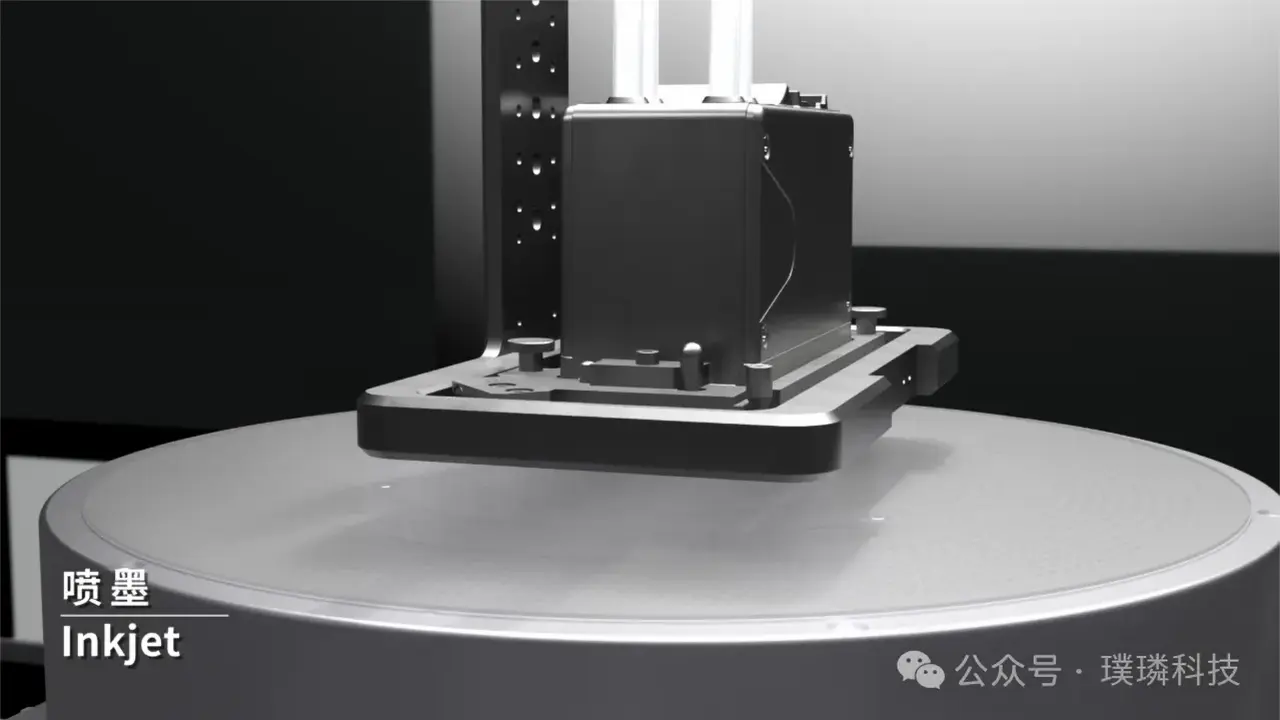
The vacuum air-cushion nanoimprint technique allows Prinano to pattern fine details directly onto the wafer surface. This method sidesteps the complex light projection systems used in standard semiconductor fabrication. The company reports that this simpler process structure drives down manufacturing expenses significantly compared to traditional routes.
Prinano's approach focuses specifically on photonic chips rather than general-purpose logic or memory semiconductors. The startup claims the PL-AS system handles 8-inch wafers at a scale suitable for early production runs. The setup offers a potential route for developing optical interconnects and sensors.
These assertions come as the semiconductor sector seeks cost-effective manufacturing methods beyond traditional foundries. The startup has not released details regarding customer usage or mass production volumes. The startup continues to develop its nanoimprint platform alongside partners in Shenzhen.
Prinano states that it successfully produced 8-inch optical chip wafers using its vacuum air-cushion nanoimprint lithography system. The company claims manufacturing costs dropped by roughly one-tenth compared to traditional deep ultraviolet processes. These results rely on a collaboration with Shenzhen Litra Technology for wafer production.
Discussion
0 comments
Log in to join the thread with a thoughtful take, question, or correction.