

Xiaomi launched the 17T series in China on Tuesday, introducing a new tier for its smartphone lineup that prioritizes battery life over raw processing power. The company positioned the devices as gaming-focused handsets with massive power reserves to support extended play sessions without frequent recharges.
Chinese models feature identical components to global versions except larger power cell
The base Xiaomi 17T model runs on a MediaTek Dimensity 8500 Ultra processor paired with a 6.59-inch LTPS OLED display that refreshes at 120 Hz. The higher-end 17T Pro steps up to the newer Dimensity 9500 chip while retaining the same screen size and panel technology.
Spec comparison
| Spec | Xiaomi 17T | Xiaomi 17T Pro |
|---|---|---|
| Processor | MediaTek Dimensity 8500 Ultra | Dimensity 9500 |
| Battery Capacity | 7,000 mAh | 7,000 mAh |
| Display Size/Refresh Rate | 6.59-inch 120 Hz LTPS OLED | 6.59-inch 120 Hz LTPS OLED |
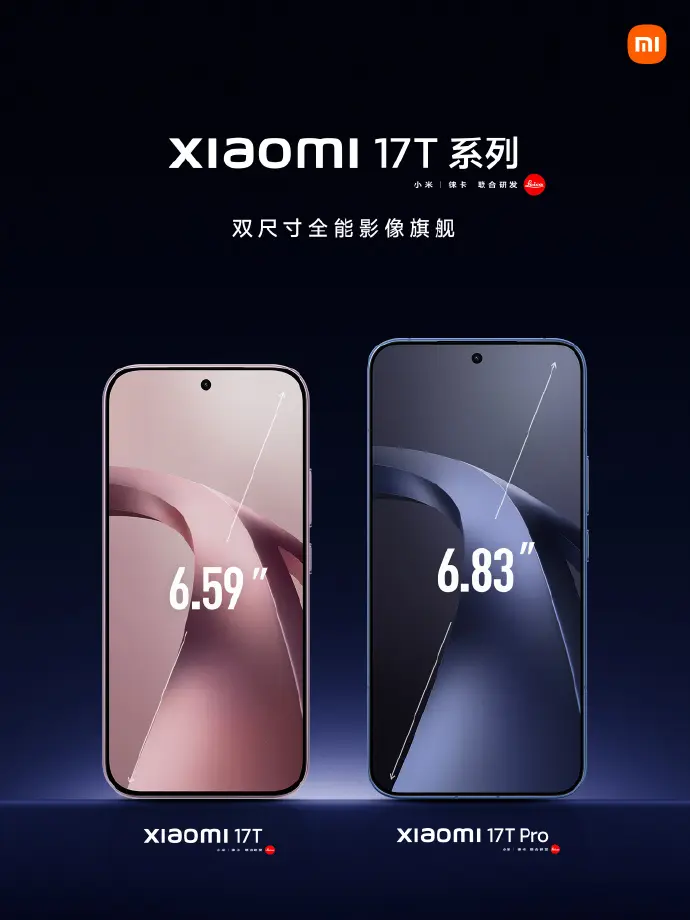
Both devices ship with a 7,000 mAh battery inside their chassis. This capacity upgrade gives the standard 17T model a larger power cell than its global counterpart, which uses a 6,500 mAh unit. The Pro version maintains identical battery specifications across all regions.
The Chinese market receives the 12 GB RAM and 256 GB storage configuration for CNY 2,999. European buyers face a significantly higher price point of EUR 749.99 for the same base model. The Pro variant follows this pricing structure but remains cheaper in China than abroad.
This launch marks the first time Xiaomi makes the T series available in its home market. Previous reports indicated that global versions would arrive later with slightly different hardware configurations. Chinese models now feature identical internal components to those planned for international release, aside from the base model battery difference.
The 17T series establishes a clear price gap between domestic and European markets. Consumers can purchase the gaming-focused devices at nearly half the cost compared to European retail prices. Xiaomi continues to differentiate regional pricing strategies while maintaining consistent core specifications across both models.


Discussion
0 comments
Log in to join the thread with a thoughtful take, question, or correction.