
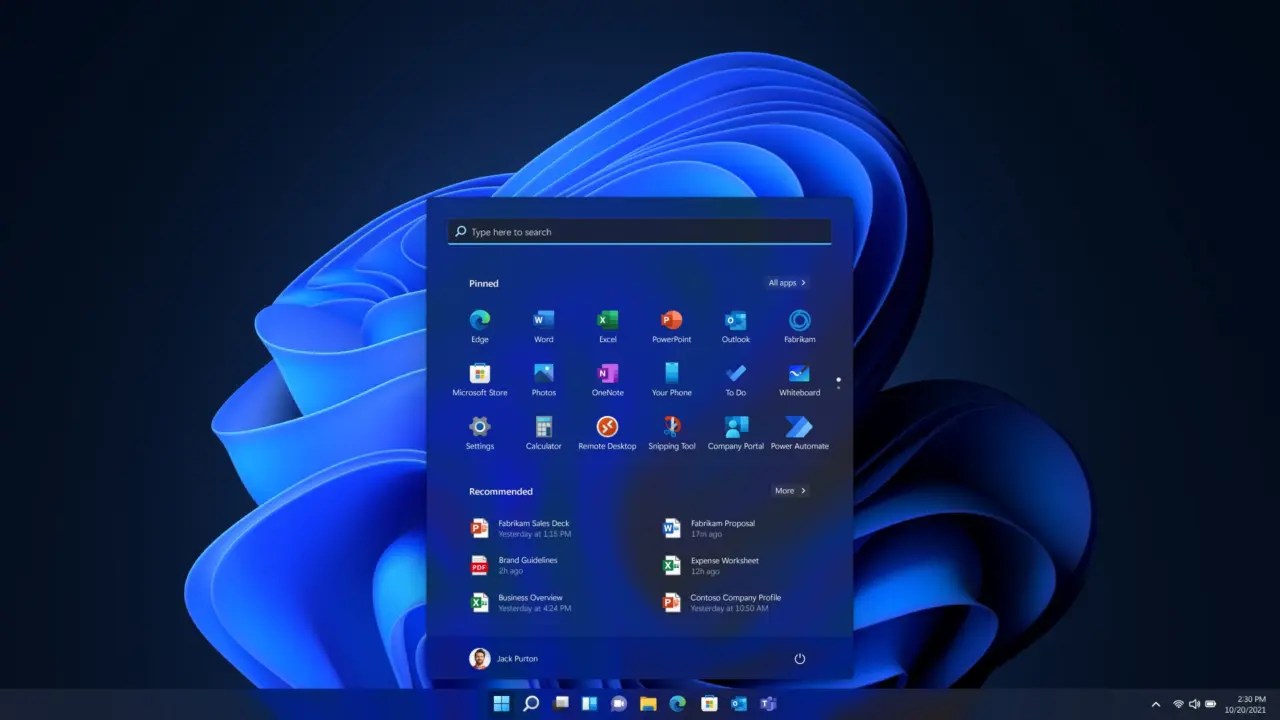
Microsoft is adjusting Windows 11 to run more efficiently on PCs with 8GB of RAM. This change matters because many modern laptops now ship with this lower memory tier due to supply constraints and AI-driven hardware shifts. Buyers with 8GB systems will see a more responsive experience as the operating system reduces its memory footprint.
Microsoft tunes WinUI 3 and Chromium components to reduce overhead
Pavan Davuluri, President of Windows and Devices, confirmed the company's commitment to optimizing memory usage for these configurations. The goal is to deliver a fast and responsive Windows experience across the devices customers use daily. This effort targets the specific needs of users who rely on 8GB RAM as their primary configuration.
The technical approach involves tuning WinUI 3 so that apps built on it use less memory by design. Microsoft is also driving efficiencies across Chromium and WebView2 components when they appear in the operating system. These changes aim to reduce overhead and improve overall system performance on constrained hardware.
The company has not provided a specific timeline or version number for when these optimizations will roll out. The move addresses the industry shift toward 8GB RAM laptops, which has become the norm due to memory shortages and the demands of AI applications. This adjustment reflects a broader recognition that lower memory configurations are now standard in the market.
We looked at the last Windows 11 update while tracking these developments, and several balance and stability themes came up again. Microsoft's current focus on memory efficiency builds on those earlier stability efforts. The company continues to refine Windows 11 to better serve users with varying hardware capabilities.


Discussion
0 comments
Log in to join the thread with a thoughtful take, question, or correction.