
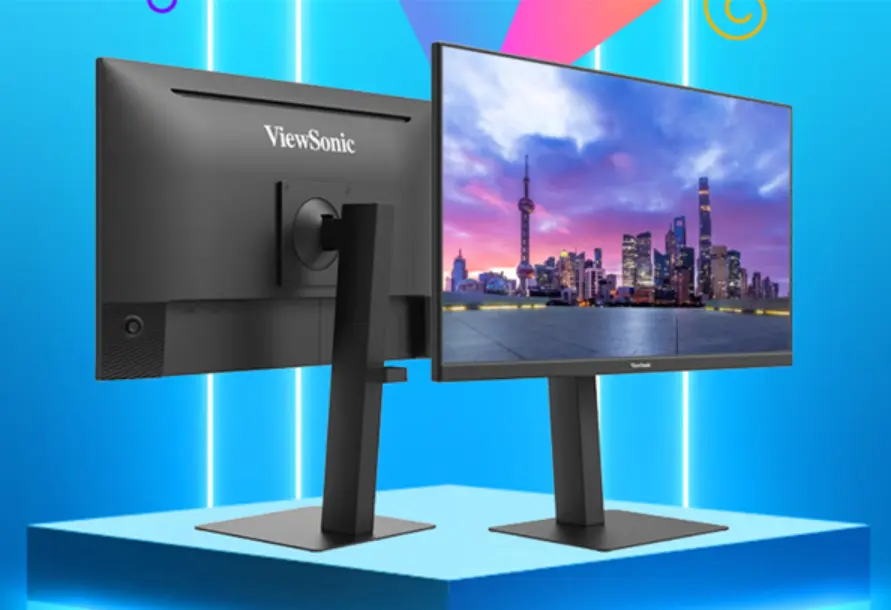
ViewSonic has shifted its monitor supply chain to reduce reliance on Taiwanese components, a move that stabilizes availability for gamers buying mid-range esports displays. The company completed the transition for mainstream models using domestic integrated circuit chips, addressing controller shortages that previously limited production. This change matters because it removes a bottleneck for buyers seeking high-refresh-rate monitors without waiting for scarce imported parts. We see this as a practical step toward more consistent inventory for the segment that needs it most.
Stabilizing inventory for mid-range esports displays
The shift targets the mid-to-low-end high-resolution esports monitor segment, where refresh rates define the user experience. ViewSonic integrated Chinese-made IC chips into these specific lines to replace the previously dominant Taiwanese controllers. This substitution allows the brand to maintain output levels for popular gaming displays that rely on stable component supplies. The focus remains on models that deliver competitive frame rates to casual and semi-pro players.
- IC Chip Sourcing Strategy: Domestic (Chinese) replacement for mainstream models
- Completed Refresh Rate Threshold: 200Hz and below
- Target Refresh Rate Threshold: 320Hz and below (expected by November)
- Primary Application Segment: Mid-to-low-end high-resolution esports monitors
Refresh rates of 200Hz and below have fully completed the transition to domestic chips. ViewSonic expects to finish the integration for models with refresh rates up to 320Hz by November 2024. This phased approach ensures that current production lines remain uninterrupted while new designs are validated. The company did not disclose the specific manufacturers or models of the domestic chips used in this swap. We note that the extent of the previous Taiwanese chip shortage was not quantified in the source material.
This supply chain adjustment strengthens ViewSonic's resilience against external component constraints. The move directly impacts the availability of mainstream gaming monitors in the near term. Buyers looking for 200Hz to 320Hz esports displays can expect smoother production flows as the November deadline approaches. The company continues to prioritize domestic sourcing for these specific hardware configurations.

Discussion
0 comments
Log in to join the thread with a thoughtful take, question, or correction.