
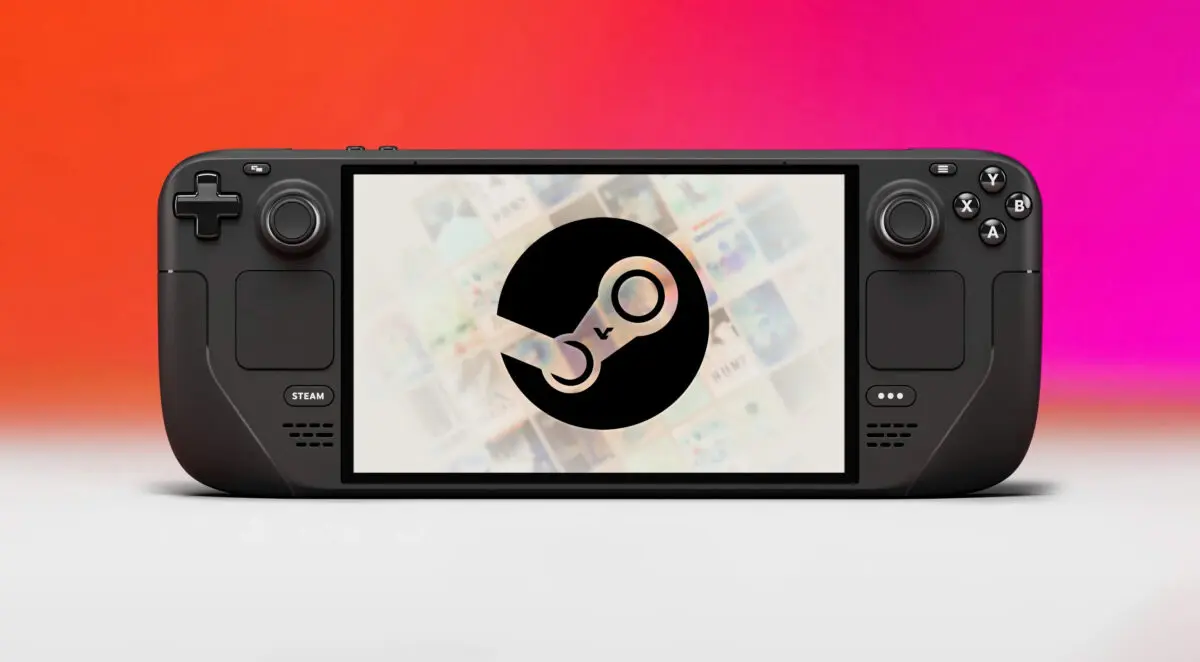
Valve has released SteamOS 3.8.9 Beta under the Second Clutch branch to address specific graphical and audio issues in previous builds. The update fixes a regression where the Allow Tearing option caused visual artifacts beyond the intended tear line. It also improves how the system detects HDMI audio channel counts during hotplug events. These changes target stability for users running beta software on supported hardware.
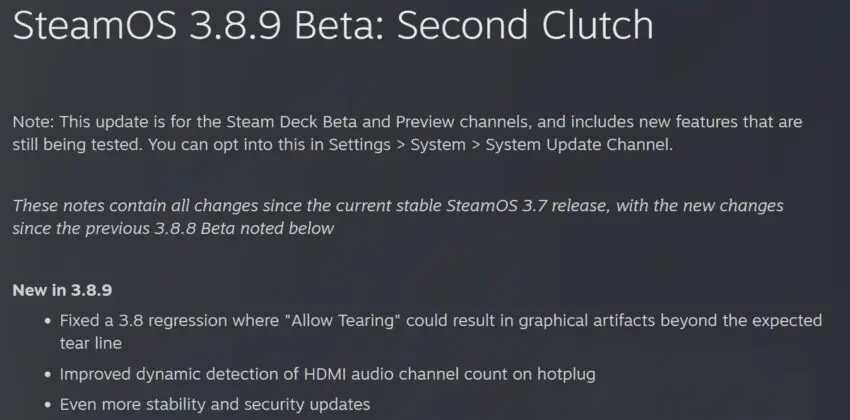
The update upgrades KDE Plasma and switches Desktop Mode to Wayland by default
This release applies to Valve’s own Steam Deck as well as third-party handhelds and PCs. The broader SteamOS 3.8 branch expands support to include devices like the Lenovo Legion Go 2, OneXPlayer X1, GPD Win 5, and ASUS ROG Xbox Ally systems. Desktop Mode now uses Wayland by default instead of the previous configuration. Users can still switch back to X11 through developer settings or command line tools if needed.
- Operating System Version: 3.8.9 Beta (Second Clutch branch)
- Desktop Environment Upgrade: KDE Plasma 6.2.5 to 6.4.3
- Display Server: Wayland (default), X11 available via settings
- Linux Kernel Version: 6.16
- Arch Base Update: Updated Arch base included in SteamOS 3.8 branch
The operating system upgrade includes Linux kernel version 6.16 alongside an updated Arch base. Valve moved the Desktop Environment from KDE Plasma 6.2.5 to Plasma 6.4.3 in this branch. These underlying changes help fix cases where Desktop Mode previously showed lower performance than Game Mode. The update also refreshes the system graphics stack for better compatibility.
SteamOS 3.8 Beta is available through the Steam Deck Beta and Preview channels on all supported devices. Users can opt into these channels to receive the Second Clutch branch updates immediately. The release ensures that non-Deck hardware like MSI Claw systems and OrangePi NEO devices also benefit from the latest kernel and desktop environment improvements.
Valve confirmed that this beta version resolves specific regressions found in earlier 3.8 builds. The fix for graphical artifacts and improved audio detection are key priorities for this release cycle. The update maintains backward compatibility while introducing newer kernel and desktop components. This release represents a standard step in the ongoing development of the SteamOS platform.
Discussion
0 comments
Log in to join the thread with a thoughtful take, question, or correction.