
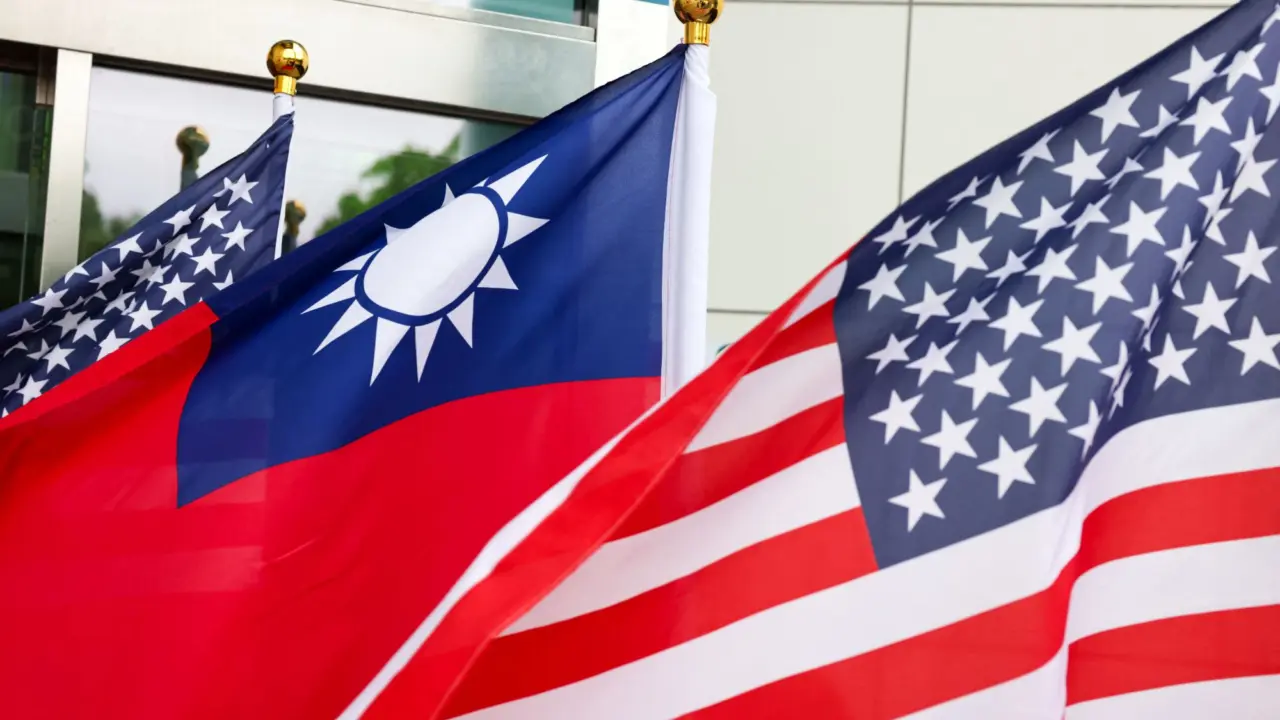
Taiwan is considering stricter export controls that would restrict AI chip sales to every customer in China, not only blacklisted firms. The measure would let Taipei prosecute smuggling as a criminal offense for the first time. The new rules are under discussion as part of ongoing trade talks with the United States and would likely cover chips above a set processing-power threshold matching U.S. restrictions.
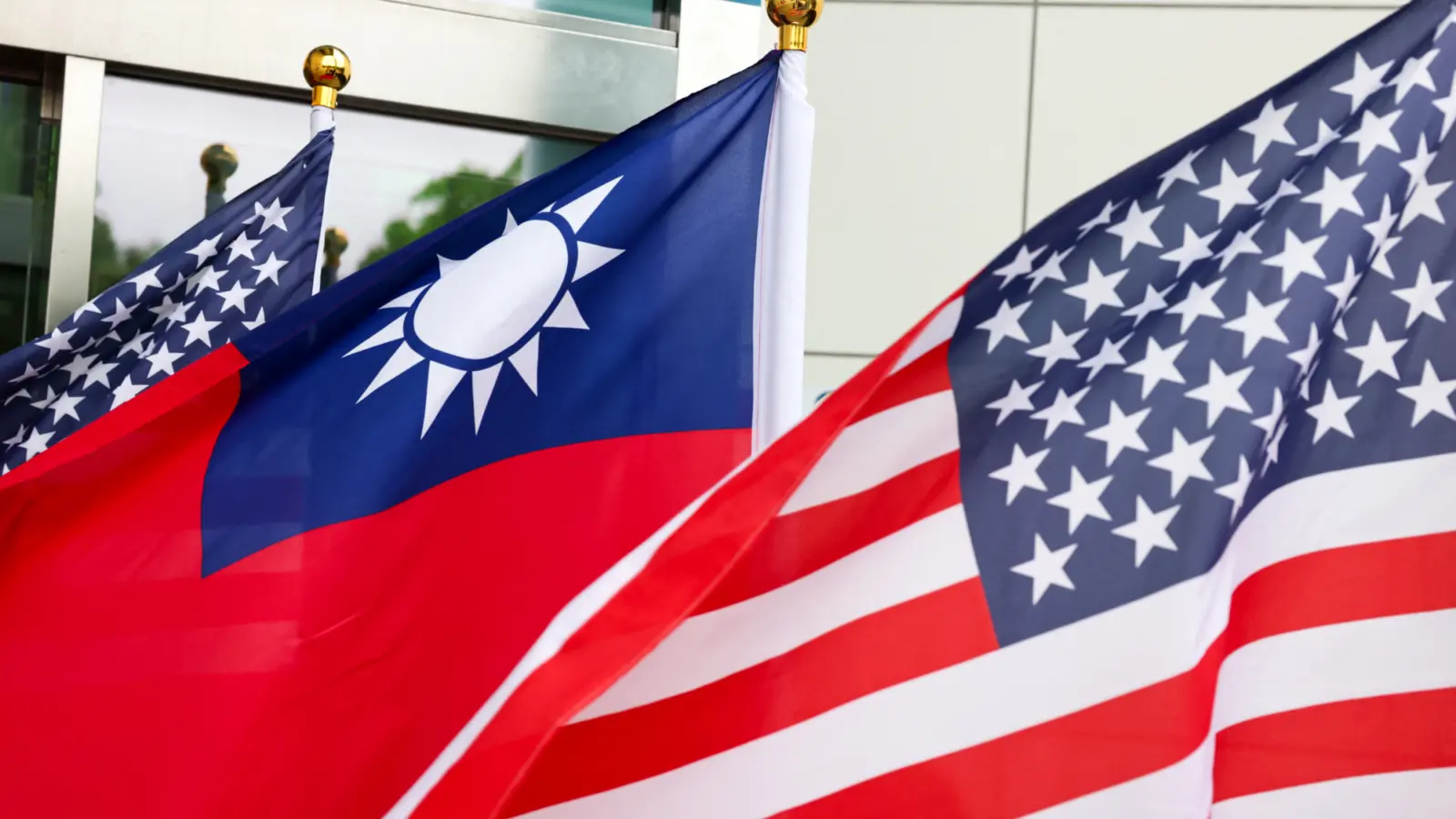
Proposed rules would criminalize smuggling and align with U.S. performance thresholds.
Taiwan currently does not classify unauthorized AI chip exports to China as a crime, though authorities can warn sellers about breaking U.S. rules. Prosecutors in Keelung detained three alleged chip smugglers in May over document-forgery allegations rather than export-control offenses. The proposed changes would shift the legal framework from warnings and administrative penalties to criminal prosecution for smuggling servers.
The U.S. controls accelerators according to Total Processing Performance (TPP) and DRAM bandwidth thresholds. Parts below 21,000 TPP and 6,500 GB/s became eligible for case-by-case China licenses in January. The new Taiwan rules would likely mirror these performance caps to align with American export policy.

Taiwan has agreed to directionally follow the U.S. but hasn't decided how far it will go. Details still need finalization before senior officials on both sides sign off. Prosecutors in Keelung detained three alleged chip smugglers in May over document-forgery allegations rather than export-control offenses, highlighting the current enforcement gap.
The proposed measures would criminalize smuggling servers for the first time under Taiwan law. This shift targets unauthorized AI chip exports to China that bypass existing U.S. restrictions. The rules remain under discussion as part of ongoing trade talks with the United States.


Discussion
0 comments
Log in to join the thread with a thoughtful take, question, or correction.