
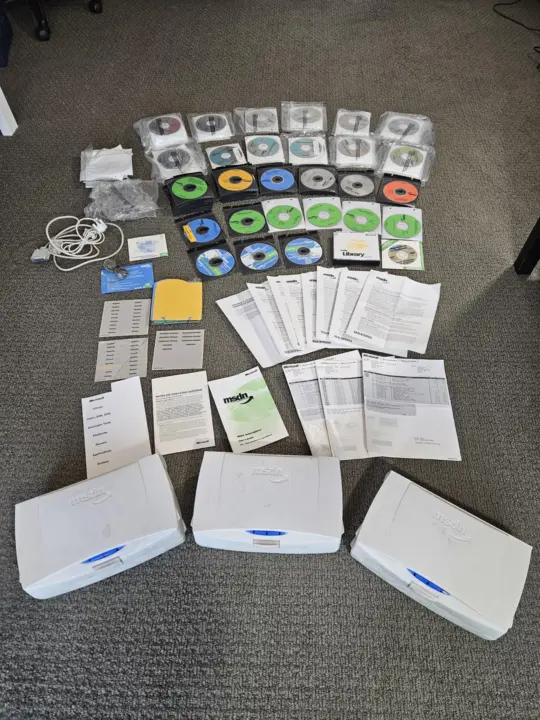
A collector just found a sealed box full of hundreds of Microsoft MSDN Subscription discs preserving a real piece of software history. This is a collection of physical media objects that were released between 2000 and early 2001. They give a rare look into Windows XP and Windows Me development time. This is important for enthusiasts and historians as it gives direct access to the tools and documentation that was used during the late stages of Windows XP development.
Collector finds sealed box of MSDN discs preserving Windows XP and Windows Me development history
The collection focus on discs with the codename 'Whistler' written on them. Whistler was the internal development codename of Windows XP. In the box there are also multiple test versions of Windows Me (Microsoft's consumer OS right before XP). The discs contain development tools and technical documentation which were originally released to software developers and partners through the Microsoft MSDN Subscription.
The box has 5 clear 'Whistler' labeled discs in it. They are different from the rest of Windows Me test builds. There are other discs that are just various test builds of Windows Me.
This is a result of the parallel development of Microsoft's two main OSes back then. These are physical media copies of pre-release software. This is before they were released publicly as final Windows XP and Windows Me versions to the consumers.
Community members recommend creating ISO images of the discs right now to make sure to save the data. Before it's too late and the physical media gets worse. It's not clear which build numbers and internal versions the Whistler discs have.
This has to be read and confirmed from the discs. It's hard to say what the collection is worth at the moment. The market for old software media is very niche and volatile.
This shows us just how delicate physical software media can be. And how important it is to digitally preserve historical operating systems. The discs are like a physical archive of Whistler and Windows Me development.
They give us insights that aren't in any public release notes. Now, enthusiasts can get a look at the raw development tools and documentation that made the final versions of these legacy OSes.

Comments (0)