
Microsoft co-founder Bill Gates recently claimed the Ctrl+Alt+Del security sequence was a mistake. This raises questions about the choices we've made in designing interactions for Windows over the past 40+ years. His criticism as a public figure is important because it brings up the divide between what we consider to be modern UI standards and the old OS architecture people interact with on a daily basis. This puts the argument at the level of UI philosophy, as opposed to the technical implementation.
Microsoft co-founder suggests simpler design for Windows security interactions
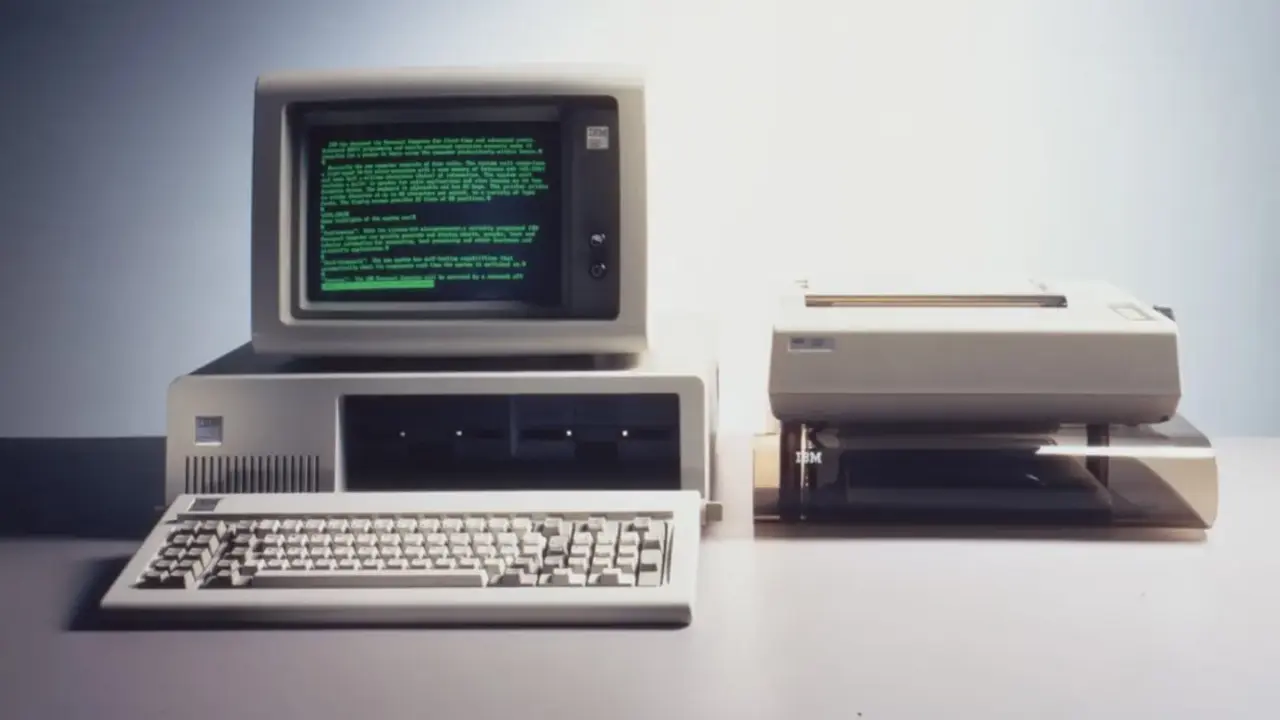
Ctrl+Alt+Del dates back to 1981 as a hardware reset feature implemented by IBM engineer David Bradley. It was a way of short-circuiting the slow power on self-test diagnostics. Microsoft took on this 3 key press sequence for the Secure Attention Sequence in Windows NT 3.1 (1993) to block malicious apps from spoofing the login screen. It's now ingrained into the security fabric of Windows OS even though it was originally unrelated to login.
On Windows 11, hitting Ctrl+Alt+Del triggers a dedicated security screen. From here, you can lock, switch users, log out, update passwords, or open Task Manager. You can skip all of this with Ctrl+Shift+Esc to jump straight into Task Manager. This gives you the option to get to system tools faster, while still having the security gate for more critical actions like updating passwords.
Gates believes the 3 key press sequence is non-intuitive and thinks a 1 key press would be better for security interactions. We had some similar concerns about balance and stability when we wrote up the last Windows update. This demonstrates that the old features can live on for the sake of compatibility. It's an interesting debate on the back compatibility vs. clean UI design.



Discussion
0 comments
Log in to join the thread with a thoughtful take, question, or correction.