
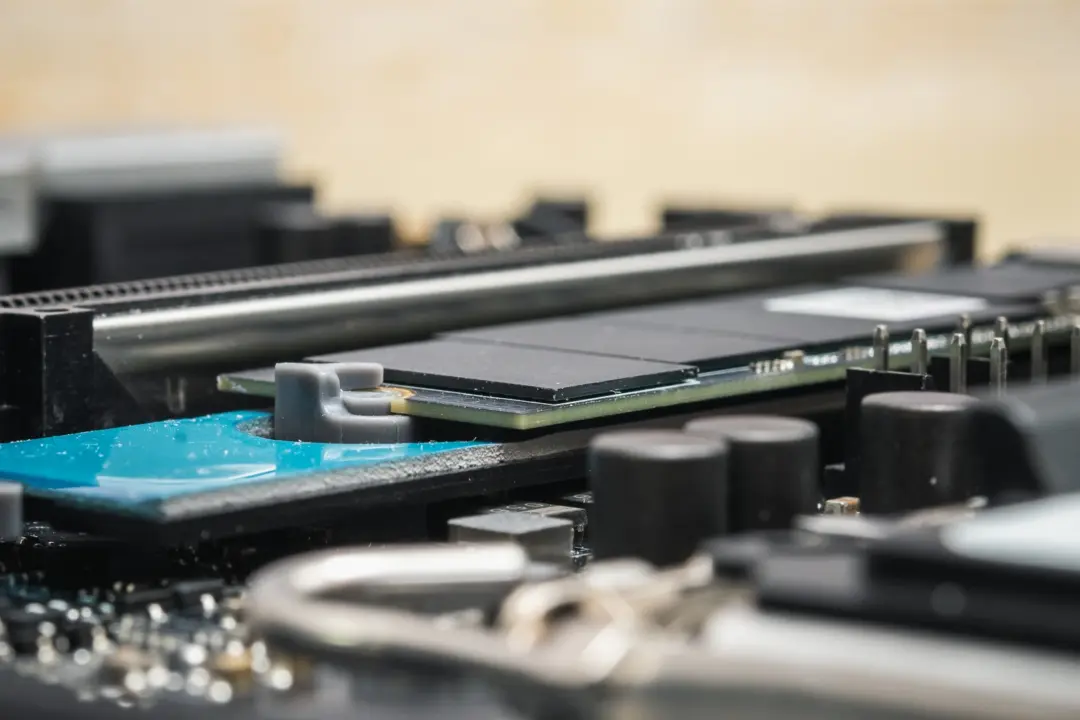
PC buyers in China are facing sudden and steep price hikes across storage and system components, making immediate upgrades significantly more expensive. This surge primarily impacts budget-conscious consumers and those planning to build or upgrade desktops and laptops this quarter. We are tracking the rapid shifts in component costs that are reshaping the local hardware market.
Storage chip costs drive rapid price hikes for SSDs and PCs
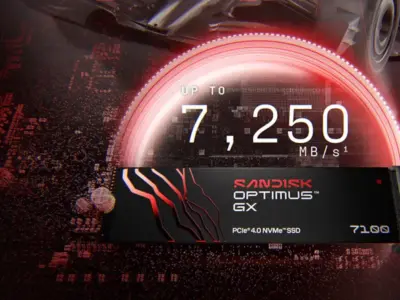
The price volatility is most visible in solid-state drives, where SanDisk 1TB models saw their retail price jump from 820 CNY (around $121) to 860 CNY (around $127) within a single day. This rapid fluctuation reflects broader upstream storage chip cost increases that are driving up procurement expenses for PC manufacturers. Industry reports note that SSD pricing has become unstable, with retailers updating prices multiple times daily as costs rise.
Finished PC systems are absorbing these component costs, leading to substantial retail price increases for consumers. Entry-level desktops have seen price jumps ranging from 800 to 1000 CNY (around $147), while gaming laptops have increased by approximately 5000 CNY (around $736). High-end gaming machines now retail between 15,000 and 16,000 CNY (around $2,355), reflecting the compounded effect of rising storage and memory prices.
Market participants advise that prices will likely remain elevated for the foreseeable future due to sustained demand and inventory replenishment cycles. One offline dealer suggested that retail prices for complete systems may struggle to drop for the next three years. Industry experts caution that no clear timeline exists for when this pricing cycle will end, though analysts predict increases will persist for at least a year.
Consumers should avoid purchasing non-essential hardware upgrades until the market stabilizes, as prices show no signs of immediate decline. The current environment favors those with existing equipment or those who can delay their upgrade plans. We will continue to monitor component pricing trends as the storage market evolves.
Discussion
0 comments
Log in to join the thread with a thoughtful take, question, or correction.