
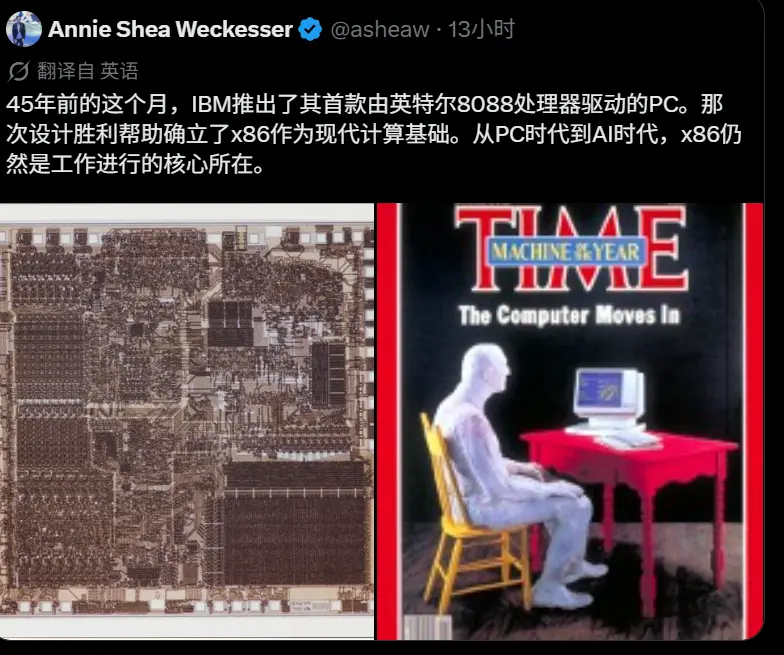
The x86 PC architecture marks its 45th anniversary this year, tracing its roots back to the 1981 launch of the IBM PC with the Intel 8088 processor. This milestone highlights a dramatic consolidation in the processor market, where only two companies remain from the original field of competitors. The survival of Intel and AMD underscores the extreme difficulty of maintaining a foothold in the x86 ecosystem over four decades.
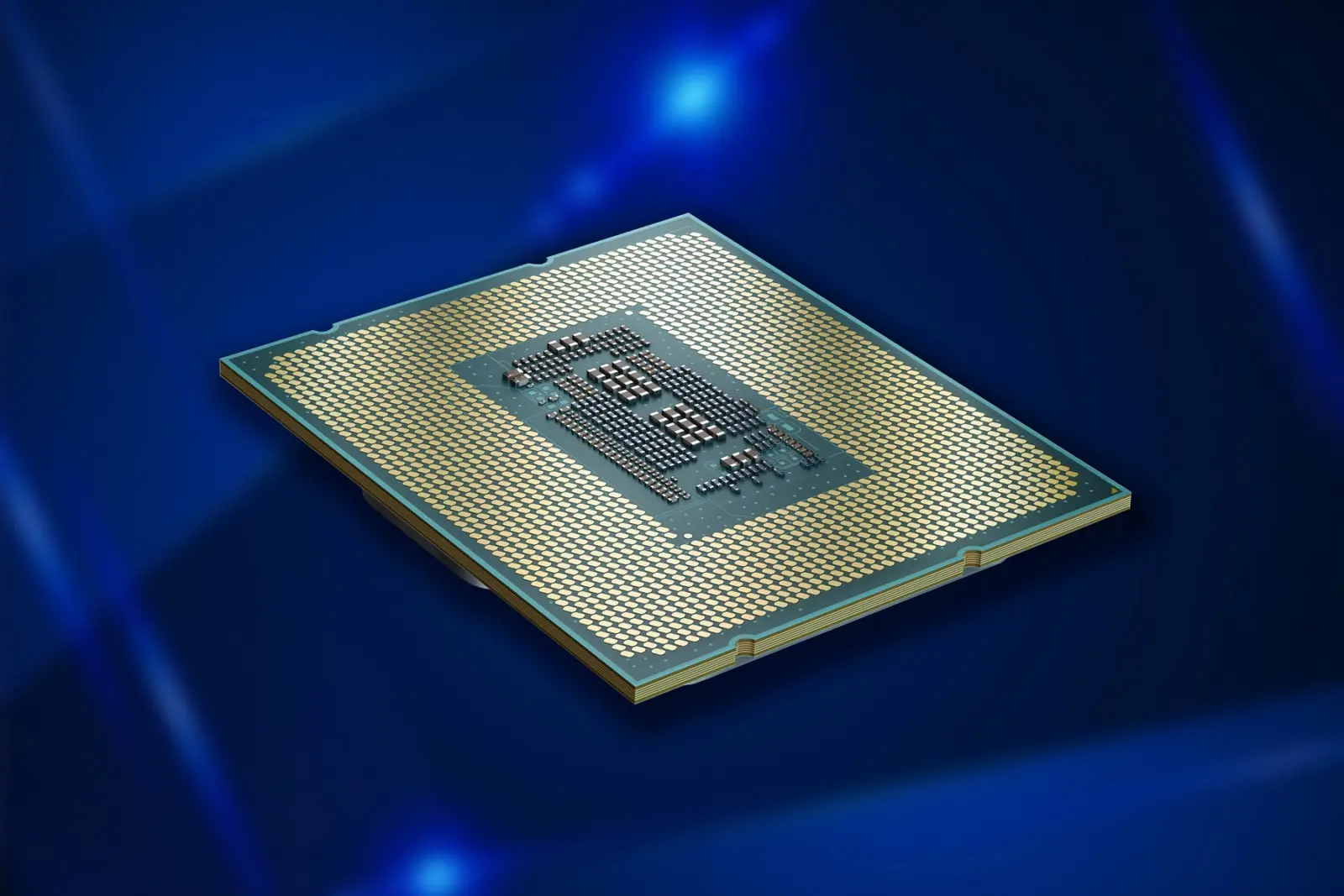
Intel and AMD remain the only major x86 survivors
Intel and AMD stand as the only two surviving major x86 CPU companies from the twelve entities originally listed by analyst Patrick Moorhead. Their continued dominance contrasts sharply with the fate of historical rivals like Cyrix, NexGen, Transmeta, and IDT. These earlier competitors either went bankrupt, exited the market, or were acquired, largely due to Intel's strict licensing policies and legal actions.
AMD secured its position by obtaining the x86 license from IBM to serve as a second source for Intel, eventually developing independent chips like the K5 and K6. The rivalry evolved when AMD pioneered the x64 extension, which led to a mutual licensing agreement between Intel and AMD for 64-bit architectures. This technical breakthrough allowed both companies to share the rights to the extended instruction set, cementing their duopoly.
Other players have struggled to maintain relevance in the modern era. VIA Technologies, which acquired Cyrix and Centaur, remains in the market but exerts limited influence due to outdated licensing and a lack of advanced research and development. Meanwhile, two unnamed companies in China currently produce x86 CPUs under licenses from VIA and AMD, though their market impact remains minimal at this time.
This historical overview clarifies why the x86 landscape is so tightly controlled and why new entrants rarely succeed. The 45-year journey from the IBM PC to today's dual-provider market demonstrates the high barriers to entry in processor design. Readers interested in hardware history can see how legal and technical strategies shaped the current computing environment.
Discussion
0 comments
Log in to join the thread with a thoughtful take, question, or correction.