
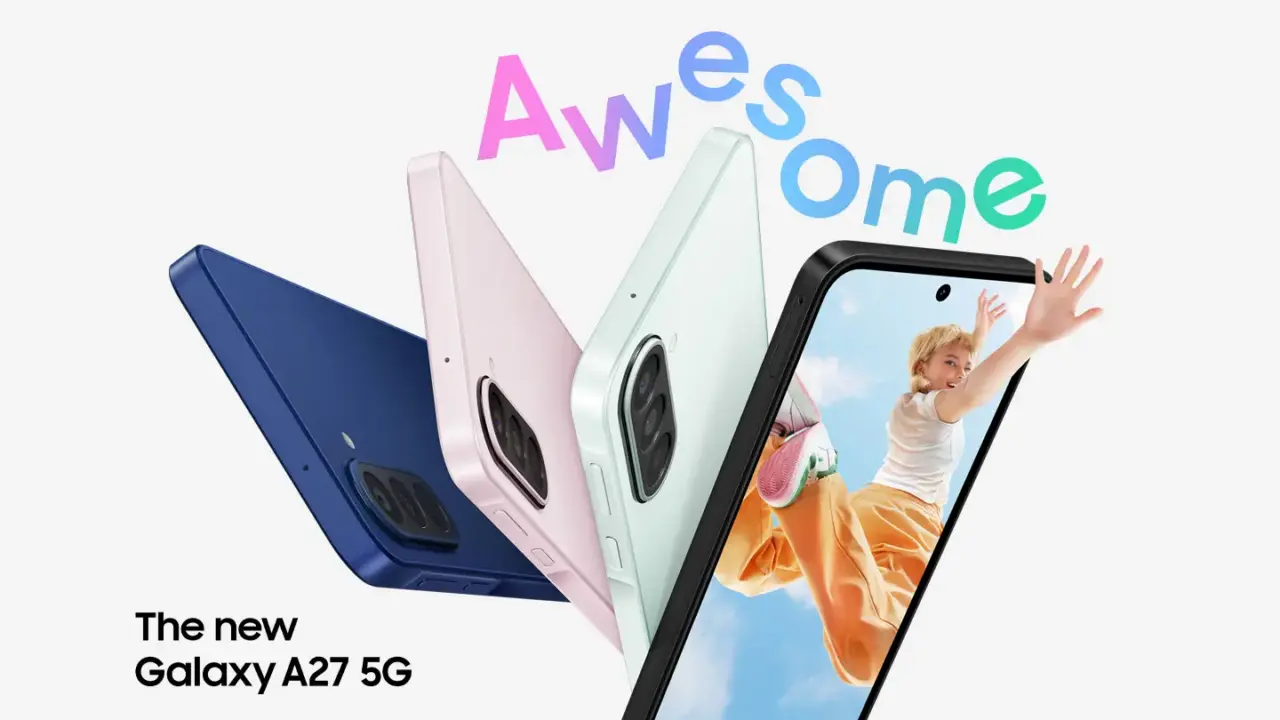
Samsung has released the Galaxy A27 5G, a mid-range smartphone that raises the starting price by $50 compared to its predecessor. This pricing shift signals a move toward longer software support and faster internal components, even as the company trims certain hardware features. The Galaxy A27 5G provides six years of software and security updates, extending support significantly beyond the three to four years typical of previous models.
Mid-range smartphone raises price by $50 while extending software lifecycle
The device centers around a 6.7-inch Super AMOLED display that now supports a 120Hz refresh rate for smoother scrolling. Samsung has replaced the previous punch-hole camera design with a new Infinity-O punch-hole layout. Under the hood, the phone runs on the Qualcomm Snapdragon 6 Gen 3 processor, which the company claims improves responsiveness in multitasking, gaming, and media consumption.
Specifications
- Display: 6.7-inch Super AMOLED, 120Hz refresh rate
- Processor: Qualcomm Snapdragon 6 Gen 3
- Software Support: 6 years of Android OS and security updates
- Rear Camera: 5MP ultrawide (downgraded from 8MP)
- Water Resistance: IP64 rating
Samsung highlights GPU performance improvements and faster memory technology to deliver smoother graphics and better power efficiency. The phone maintains a 12-megapixel front-facing camera for selfies. However, the rear ultrawide camera has been downgraded from 8MP to 5MP. The chassis is slightly thicker at 7.8mm and carries an IP64 rating for dust and water resistance, a step down from the IP67 standard found on the Galaxy A26 5G.
Security features include Samsung Knox and Knox Vault to protect user data. The Galaxy A27 5G launches in select markets starting July 3. The device is priced at $349 USD, reflecting the $50 increase over the Galaxy A26 5G. This price point positions the phone as a durable option for users who prioritize software support and display quality over high-resolution rear cameras or maximum water resistance.
The Galaxy A27 5G confirms Samsung's strategy of extending software lifecycles for its mid-range lineup. The combination of a 120Hz AMOLED screen and six years of updates offers a clear value proposition for budget-conscious buyers. The trade-off involves reduced camera resolution and lower water resistance ratings compared to the previous model.



Discussion
0 comments
Log in to join the thread with a thoughtful take, question, or correction.