
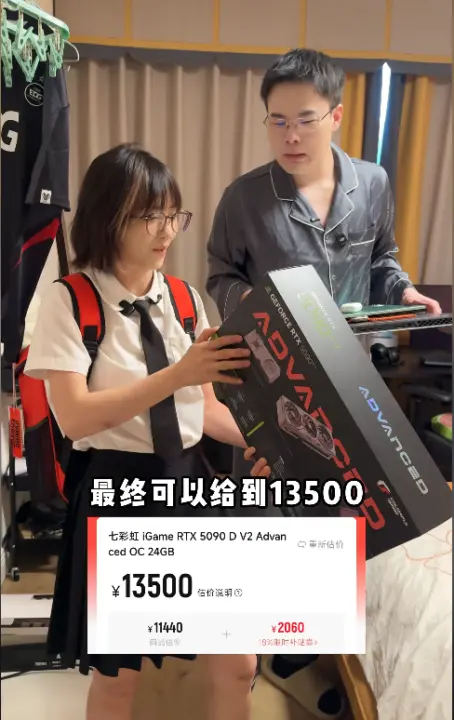
A used Colorful RTX 5090 D V2 fetched a surprisingly low buyback price on the Chinese second-hand market, revealing a significant gap between new and legacy hardware values. This discrepancy matters to gamers and collectors because it highlights how quickly flagship GPUs can lose resale value in a fluctuating market. Buyers relying on trade-in platforms may face offers that undercut the worth of older, high-end cards like the RTX 4090.
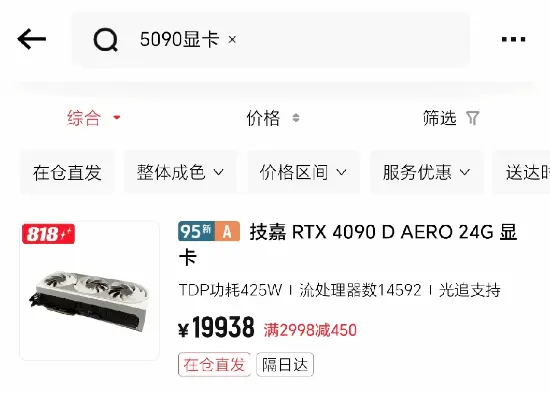
Used flagship GPU trades for less than previous generation
The pricing data comes from a listing on the Zhuanzhuan platform, where a blogger known as 'Shou Shouji de CC' offered 13,500 RMB (around $2,000) for the used Colorful card. That same platform lists used RTX 4090 models for approximately 19,938 RMB (around $2,954), making the older card significantly more valuable in the resale market. The RTX 5090 D V2 buyback offer sits roughly 6,400 RMB (around $948) below the selling price of the previous generation flagship.
The blogger attributed the low offer to market conditions in July, a period described as a lull before an AI-driven price rebound occurred in August. This timing suggests the low valuation may not reflect the current market reality but rather a snapshot taken during a temporary dip. The discrepancy has drawn criticism from netizens who suspect the platform is suppressing prices or exploiting information asymmetry against sellers.
We looked at ASUS RTX 5090D V2 Price Jumps $666 in China earlier while tracking Colorful launches. The contrast between rising new card prices and falling used buyback values underscores the volatility of the current GPU market. Sellers should verify current market rates before accepting trade-in offers, as platform valuations may lag behind actual demand.
The confirmed facts center on the specific buyback offer for the Colorful RTX 5090 D V2 and the comparative value of the RTX 4090 on Zhuanzhuan. These figures illustrate the immediate financial impact of generational shifts on secondary market liquidity. Readers should monitor platform pricing trends to avoid undervaluing their hardware during market transitions.
Discussion
0 comments
Log in to join the thread with a thoughtful take, question, or correction.