
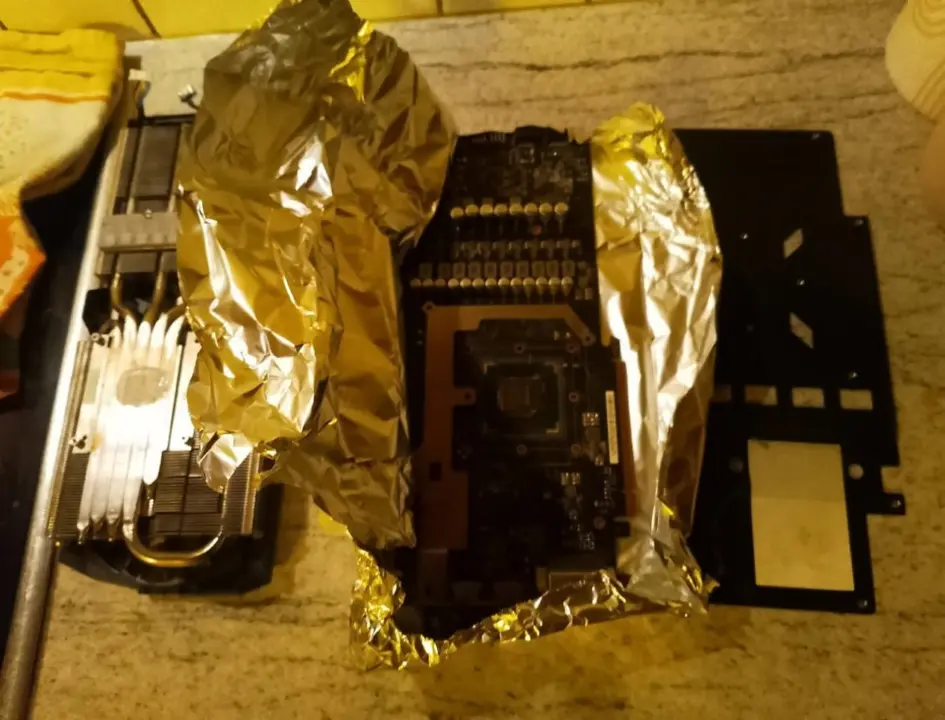
PC hardware nerd shows how to bring a dying NVIDIA GTX 1080 graphics card back to life in a regular oven. For those of you that want to keep using some old hardware which unfortunately has some of the common solder joint problems one can use this budget option instead of buying new parts.
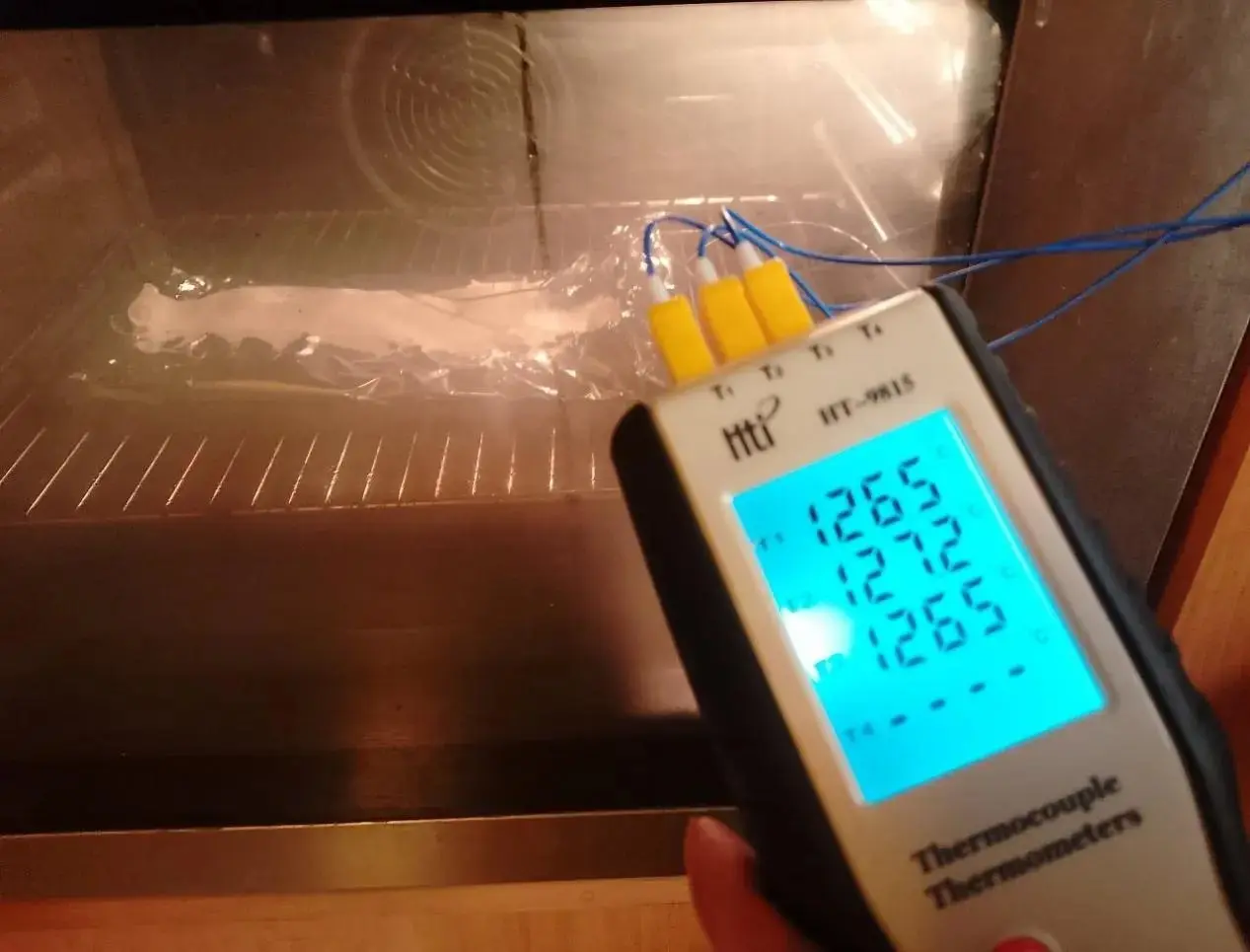
Reflowing cold solder joints with an oven fixes crashes temporarily
If you're still using an old GPU and get random crashes you might want to try this out before you buy something new. The NVIDIA GTX 1080 is a powerful graphics card that has been popular for many years in the PC gaming community. The particular GTX 1080 that is being discussed here started to become unstable and would crash after just 10-15 minutes of use.
The cause of this instability was found to be cold solder joints on the PCB which is a common problem on older electronic devices. To fix the issue, the PCB of the graphics card was baked in an oven at 120-130 degrees Celsius for 35 minutes.
In order to prevent overheating and potential damage while baking the PCB, thermal sensors were applied to the board. The goal of this baking process is to reflow the solder joints and reestablish electrical continuity.
Once the baking was complete the card was able to pass stress tests in Furmark without crashing. According to PCGH forum data, this particular fix has a success rate of around 80% using this method. However, the data also warns that about 66% of these fixes will fail after a year.

Does the 80 percent success rate account for different PCB layers or just the specific model tested?
PCGH data suggests the method works best on standard consumer boards with visible joint failures. It is not a universal fix for all GTX 1080 variants.
baking my gpu like a potato sounds risky but cheap 😅
Thermal cycling usually breaks the solder mask over time. The oven method just buys you a year of stability before the next failure.
I would rather pay a local shop to reflow it properly than risk melting my motherboard.
Furmark passes do not guarantee long term gaming stability. You need stress tests under actual load.
At least it is cheaper than buying a new gpu with the current pricing.
The article mentions 120 to 130 degrees Celsius. That is well within the reflow range for lead free solder but you must monitor the temperature carefully.
If it lasts a year it is worth it for a student budget tbh.
Another reason to avoid forced driver updates that break older cards in the first place.