

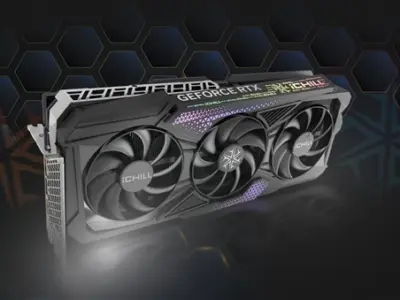
Motion sickness in 3D games often stems from a sensory mismatch between what your eyes see and what your inner ear feels. This conflict tricks the brain into thinking you might be ingesting a neurotoxin, which triggers nausea and discomfort. NVIDIA addresses this issue with the GeForce RTX 50 Series by introducing technologies designed to stabilize frame rates and reduce visual jitter.
DLSS 4 stabilizes frame rates to reduce 3D game dizziness
The core solution relies on DLSS Multi-Frame Generation, which can render up to six frames for every one native frame the GPU produces. This process combines one real rendered frame with up to five AI-completed frames to fill in the gaps. The system uses Dynamic Multi-Frame Generation to act like an automatic transmission, switching between 1x and 6x multi-frame generation based on real-time GPU load and monitor refresh rates.
- DLSS Multi-Frame Generation: Up to 6x multi-frame generation (1 native frame + up to 5 AI-completed frames)
- Dynamic Multi-Frame Generation: Intelligent switching between 1x and 6x multi-frame generation based on GPU load and monitor refresh rate
- Reflex Low Latency: Works with multi-frame generation to control latency increase from frame generation
- Recommended FOV: 90-110

To prevent the added frames from causing input lag, NVIDIA pairs this technology with Reflex Low Latency features. Reflex works alongside multi-frame generation to control the latency increase that frame generation typically introduces. This combination allows the hardware to balance high frame rates with low operational latency. Users should aim for a field of view between 90 and 110 degrees to further minimize visual motion illusions that exacerbate cybersickness.
NVIDIA states that these features stabilize frame rates near the target value to reduce motion-induced discomfort. The company positions the RTX 50 Series as a technical solution for players who experience dizziness during gameplay. While the marketing highlights these mitigations, the source material does not provide independent clinical data on the efficacy of these features for preventing motion sickness.

Discussion
0 comments
Log in to join the thread with a thoughtful take, question, or correction.