
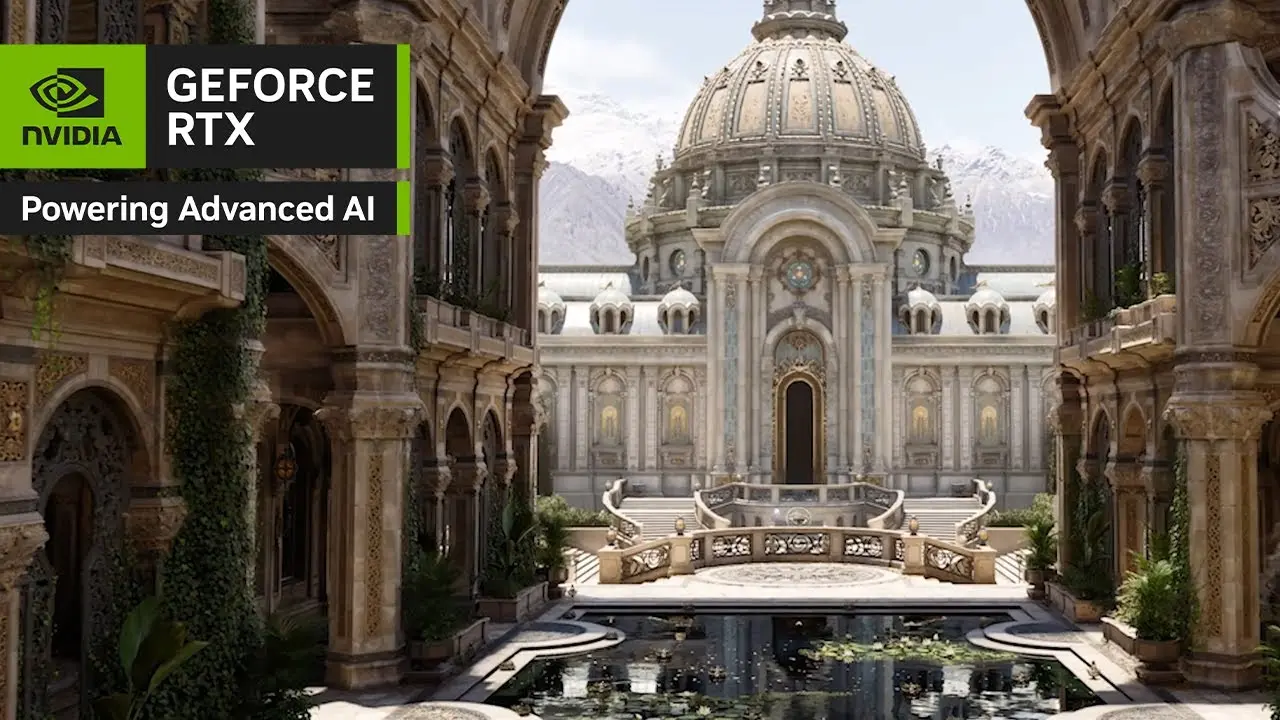
Game developers now have access to updated tools that significantly increase the visual fidelity and performance of ray-traced scenes. NVIDIA released the RTX Kit v2026.3 SDK and the RTX Mega Geometry 2.0 SDK, providing software engineers with the means to stream higher-density meshes without sacrificing frame rates. This update matters because it allows games to deliver full-detail ray-traced scenes instead of falling back to simplified geometry. We can expect a noticeable shift in how complex environments render on supported hardware.
Gears of War E-Day launches October 6 as the first game to use NVIDIA RTX Mega Geometry 2.0
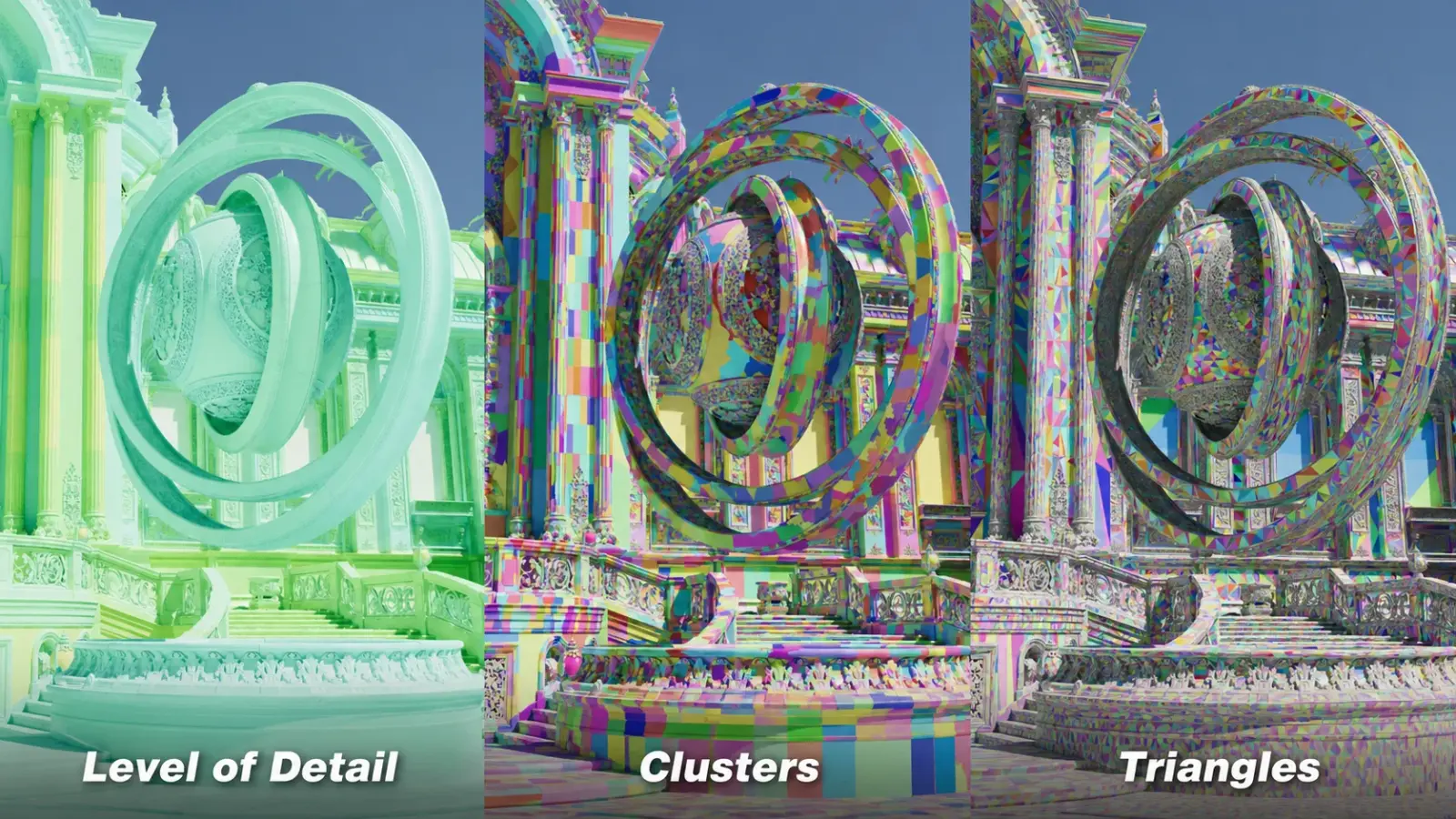
The RTX Mega Geometry 2.0 SDK is the centerpiece of this release, enabling the streaming of continuous level-of-detail clusters for high-density meshes. This technology works in tandem with Unreal Engine's Nanite to maintain visual quality during intense gameplay. NVIDIA states that these tools will enable GeForce RTX gamers to witness higher frame rates, a much higher level of detail, and more responsive controls. The integration of these features aims to remove the traditional trade-off between graphical complexity and performance.
The RTX Kit v2026.3 SDK bundles several component updates to support these advanced rendering techniques. Character Rendering 1.4 improves far-field hair BCSDF sampling and energy conservation for more realistic character models. Dynamic Illumination 3.1 adds DLSS Ray Reconstruction integration and includes improvements to ReSTIR PT for better lighting accuracy. The SDK also introduces Neural Texture Compression 0.10 beta, which adds support for the Microsoft DirectX 12 Agility SDK preview with Linear Algebra. Neural Shading 1.4 adds support for the latest DirectX Linear Algebra preview toolchain, while Texture Filtering 1.3 introduces Collaborative Texture Filtering.
These updates also add Windows ARM64 support in preparation for RTX Spark PC devices launching next month. This expansion ensures that the new rendering technologies are available on a broader range of hardware architectures. Gears of War: E-Day will be the first game to integrate RTX Mega Geometry 2.0 with Unreal Engine's Nanite technology. The title launches on October 6, 2026, and will serve as the initial showcase for these streaming capabilities. NVIDIA provided a debug visualization comparing ray tracing scenes with Mega Geometry enabled and disabled to demonstrate the density improvements.
We previously covered the NVIDIA RTX Neural Texture Compression SDK in our earlier Nvidia coverage, noting its role in optimizing asset delivery. The current release builds on that foundation by integrating compression tools with broader rendering and shading updates. Developers can now use these SDKs to implement high-fidelity ray tracing and dense geometry streaming in their projects. The technology is available globally for software development starting with the October 6 launch window.

Discussion
0 comments
Log in to join the thread with a thoughtful take, question, or correction.