
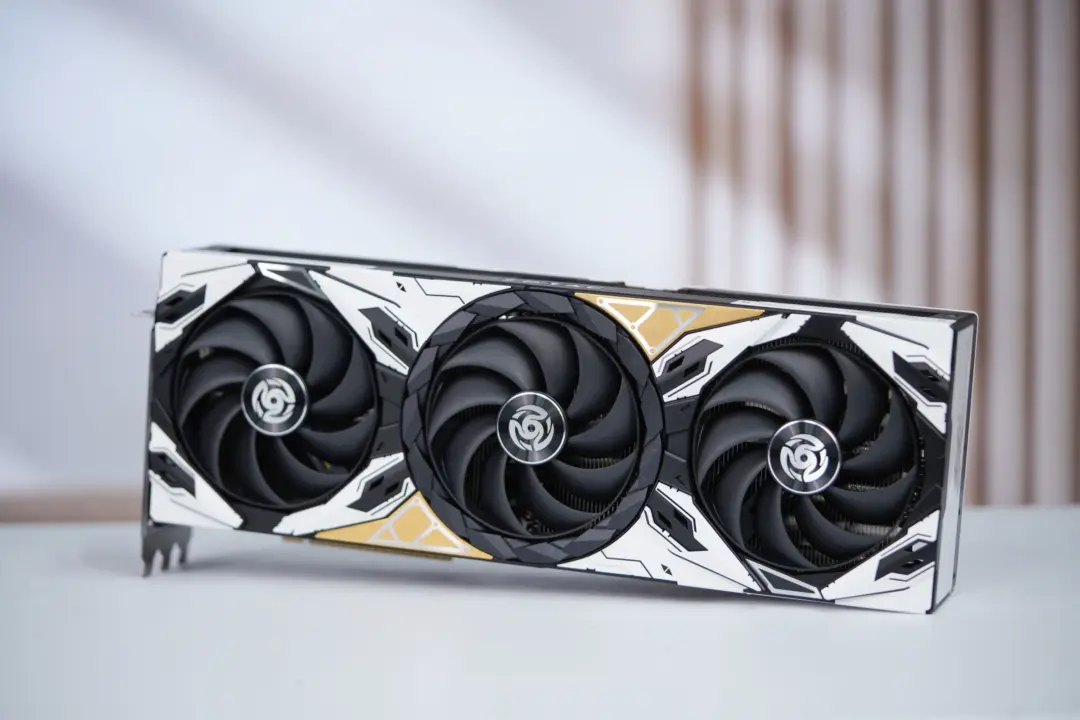
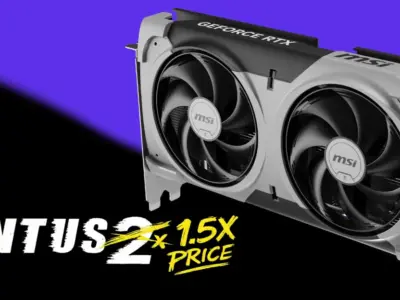
NVIDIA RTX 5070 Ti graphics cards are costing buyers significantly more than the manufacturer intended, with market prices surging 71% above the official recommendation. This steep increase forces gamers and content creators to pay a premium for hardware that was supposed to be accessible at a mid-range price point. The price hike reflects a broader market shift where AI computing demands are squeezing the supply of memory chips needed for consumer electronics.
AI server demand drives GDDR7 shortage, pushing consumer GPU costs higher
The RTX 5070 Ti is part of NVIDIA's latest generation of graphics processors, but its current market reality diverges sharply from its launch strategy. Buyers in Europe are facing retail prices that exceed 1250 EUR, while customers in China are seeing costs range between 6999 and 9000 CNY (around $1,326). These figures stand in stark contrast to the card's official suggested retail price of 6299 CNY (around $928), highlighting a severe disconnect between official pricing and actual availability.
The primary cause for these inflated costs is a shortage of GDDR7 memory, which manufacturers are prioritizing for artificial intelligence servers. Samsung and SK Hynix are directing their high-bandwidth memory production toward AI infrastructure, leaving fewer chips available for consumer graphics cards. This supply chain bottleneck has created a competitive environment where consumer GPU makers must pay higher prices to secure the components they need.
The price inflation is not limited to the RTX 5070 Ti, as the entire RTX 50 series has seen a global average price increase of 15% to 19%. The high-end RTX 5090 has experienced even more dramatic shifts, with market prices more than doubling from its initial 1999 EUR MSRP to over 4000 EUR. Meanwhile, the AMD RX 9060 XT 8GB remains an outlier, maintaining a stable price of around 300 EUR despite the broader market turbulence.
Market analysts are already adjusting their forecasts based on these hardware cost trends, with IDC predicting a 10% drop in global PC shipments for 2026. This forecast suggests that persistent price inflation will suppress consumer upgrade demand, potentially slowing the growth of the personal computer market. The current situation indicates that buyers should expect continued volatility in graphics card pricing as supply constraints persist.
Discussion
0 comments
Log in to join the thread with a thoughtful take, question, or correction.