
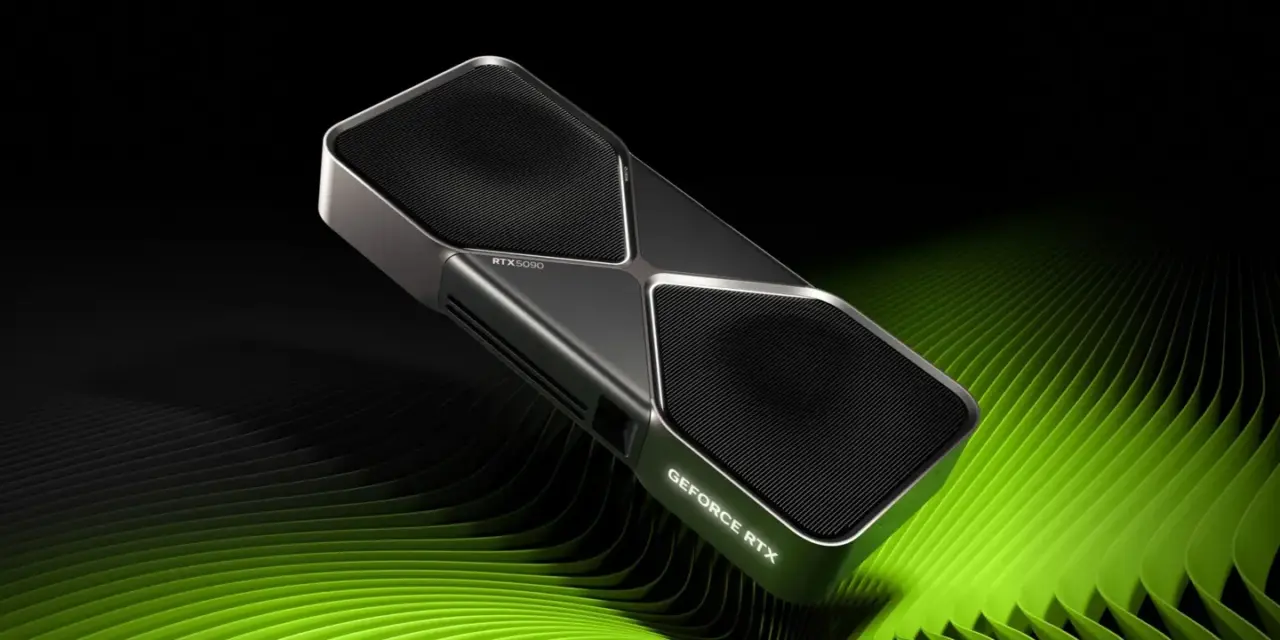
NVIDIA has informed its authorized independent component partners of an increase in the shipment cost for the GeForce RTX 5090 and RTX 5090 D v2 graphics cards. This adjustment marks a significant shift in the manufacturing economics for these flagship gaming GPUs. The company has not yet announced any changes to the Manufacturer's Suggested Retail Price for these models.
Upstream memory procurement costs have significantly increased for flagship GPUs.
The primary driver for this cost increase is the rising procurement price of GDDR7 memory modules from upstream suppliers. NVIDIA specified that the higher costs stem from memory components rather than the GPU cores themselves. This supply chain pressure forces board partners to absorb higher expenses before the products reach retail shelves.
Industry observers project that this pricing pressure will inevitably reflect in terminal transaction prices for consumers. While the official MSRP remains unchanged, market dynamics suggest that final sale prices may rise to compensate for the increased component costs. This trend highlights the ongoing impact of memory shortages on high-end hardware pricing.
The announcement comes as the broader storage market experiences extreme volatility, with DRAM and NAND flash prices surging dramatically. Global semiconductor manufacturers are redirecting advanced production capacity toward AI-specific memory products, exacerbating the supply constraints for consumer-grade components. This reallocation of resources continues to tighten the availability of memory chips for graphics card manufacturers.


Discussion
0 comments
Log in to join the thread with a thoughtful take, question, or correction.