
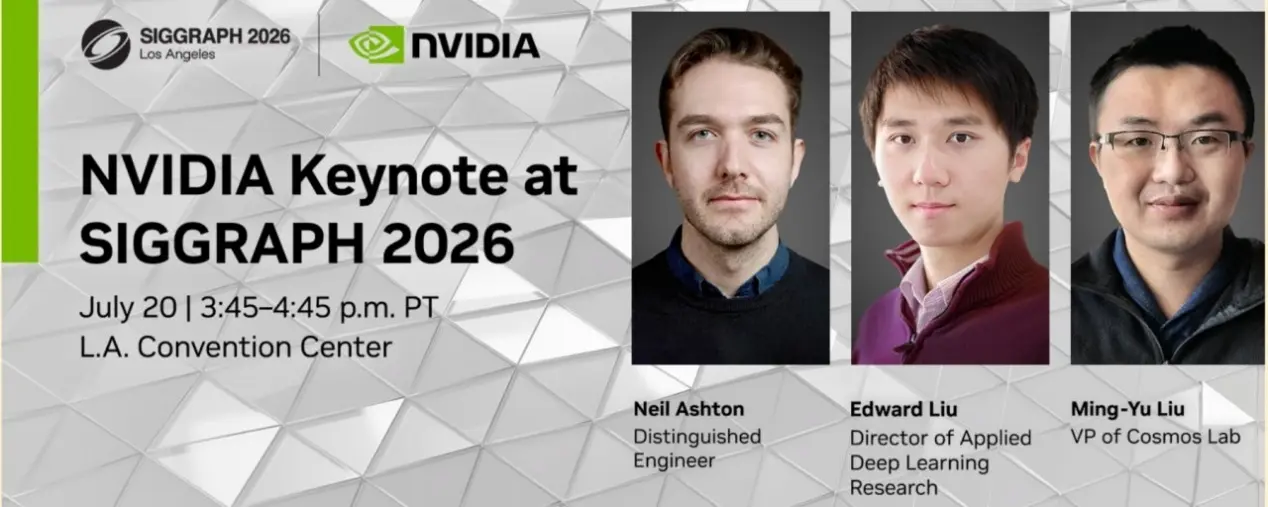
NVIDIA is preparing to explain its next-generation DLSS 5 technology at an upcoming SIGGRAPH conference, signaling a shift from simple performance boosting to visual reconstruction. This matters because the company is positioning AI as a core component of game art pipelines, which directly affects how developers create and players experience digital worlds. Gamers and hardware buyers should watch this closely, as the approach could redefine the visual standards for PC gaming in the near future.
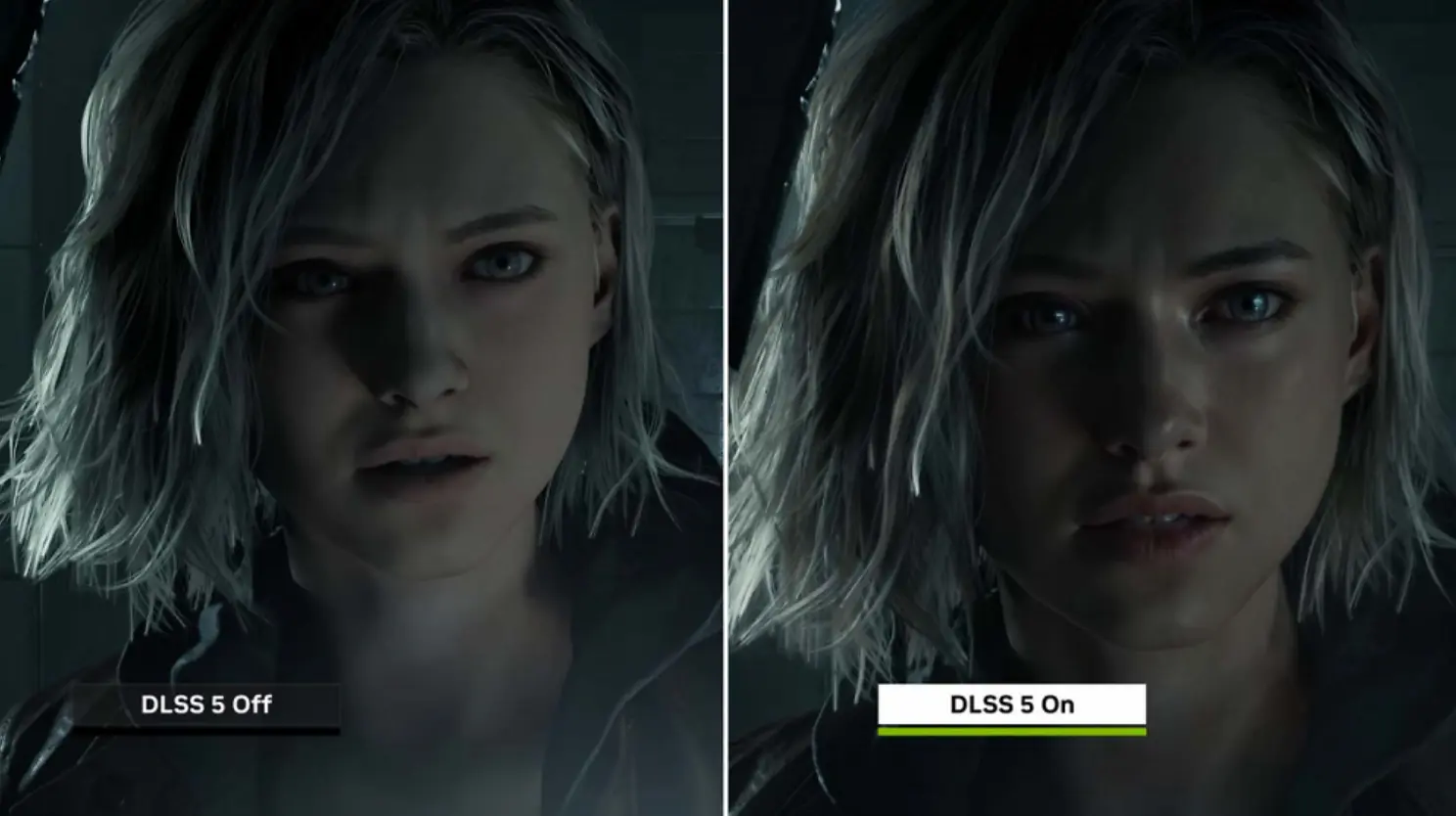
NVIDIA clarifies its three-layer AI architecture for game visuals
The technology, first announced at the March GTC conference, relies on a three-layer architecture that NVIDIA describes as simulation, learning-based image generation, and artist oversight. NVIDIA stated that while AI can synthesize extremely realistic images, games need more than just beautiful images, and every frame should align with the creator's intent. The company defines the process as simulating the world, using learning-based generation to enrich the appearance, and letting artists ultimately decide the output.
DLSS 5 uses AI to redraw game visuals rather than just boosting performance, a distinction that has sparked significant player backlash. Critics worry that heavy AI involvement might replace developer intent or alter the artistic vision of the games they play. NVIDIA CEO Jensen Huang has publicly stated that DLSS 5 will not distort games, aiming to reassure the community that the technology serves as a tool rather than a replacement for human creativity.
We looked at the last DLSS 5 update earlier while tracking NVIDIA launches, and several of the same balance and stability themes came up. The company plans to provide more technical details at the SIGGRAPH conference, where they will likely address these concerns with concrete examples of how the technology integrates into existing development workflows. This upcoming event will be the primary venue for understanding the practical implications of this new rendering approach.
NVIDIA has confirmed that DLSS 5 represents a fundamental change in how graphics are generated, moving beyond traditional upscaling methods. The company maintains that artist control remains central to the process, despite the increased reliance on AI for visual synthesis. The full technical breakdown and developer guidelines are expected to be revealed at SIGGRAPH, providing clarity on how this technology will function in actual game titles.

Discussion
0 comments
Log in to join the thread with a thoughtful take, question, or correction.