
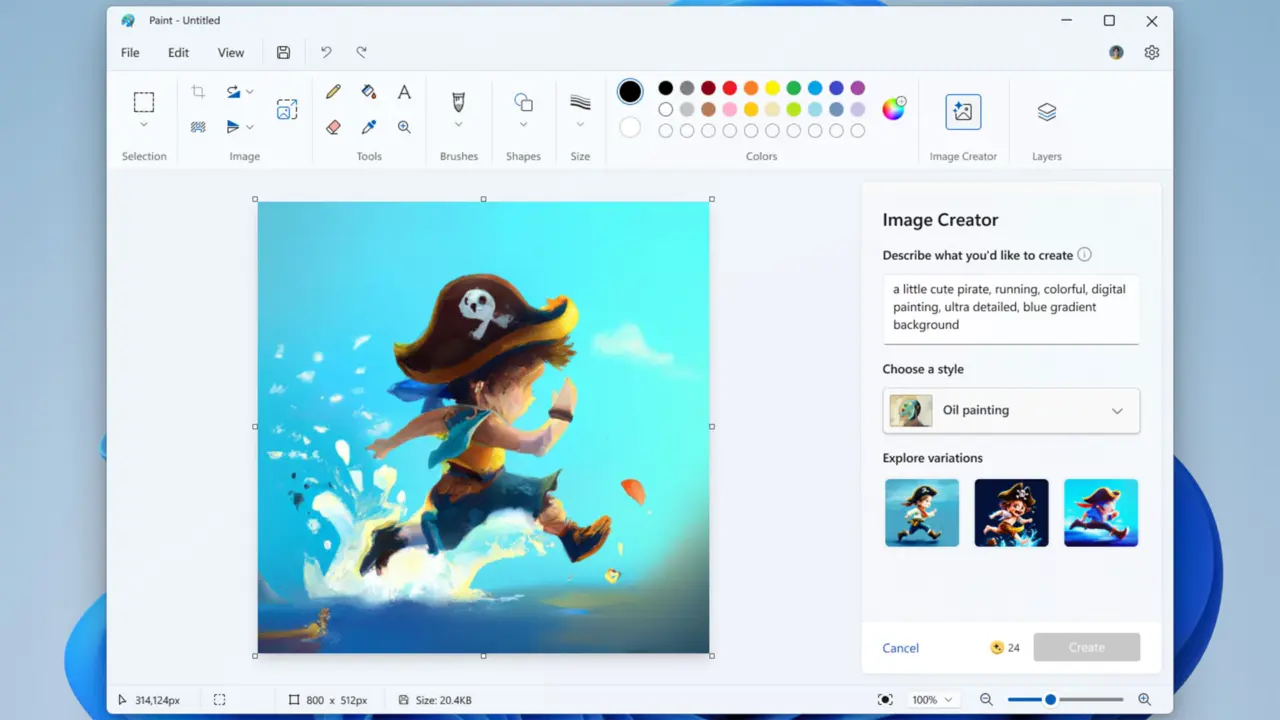
Microsoft has quietly updated its built-in Windows 11 tools to embed invisible watermarks in AI-generated images. This change matters because it signals a shift toward mandatory content provenance for everyday users. Buyers should know that their AI creations now carry hidden identifiers by default.
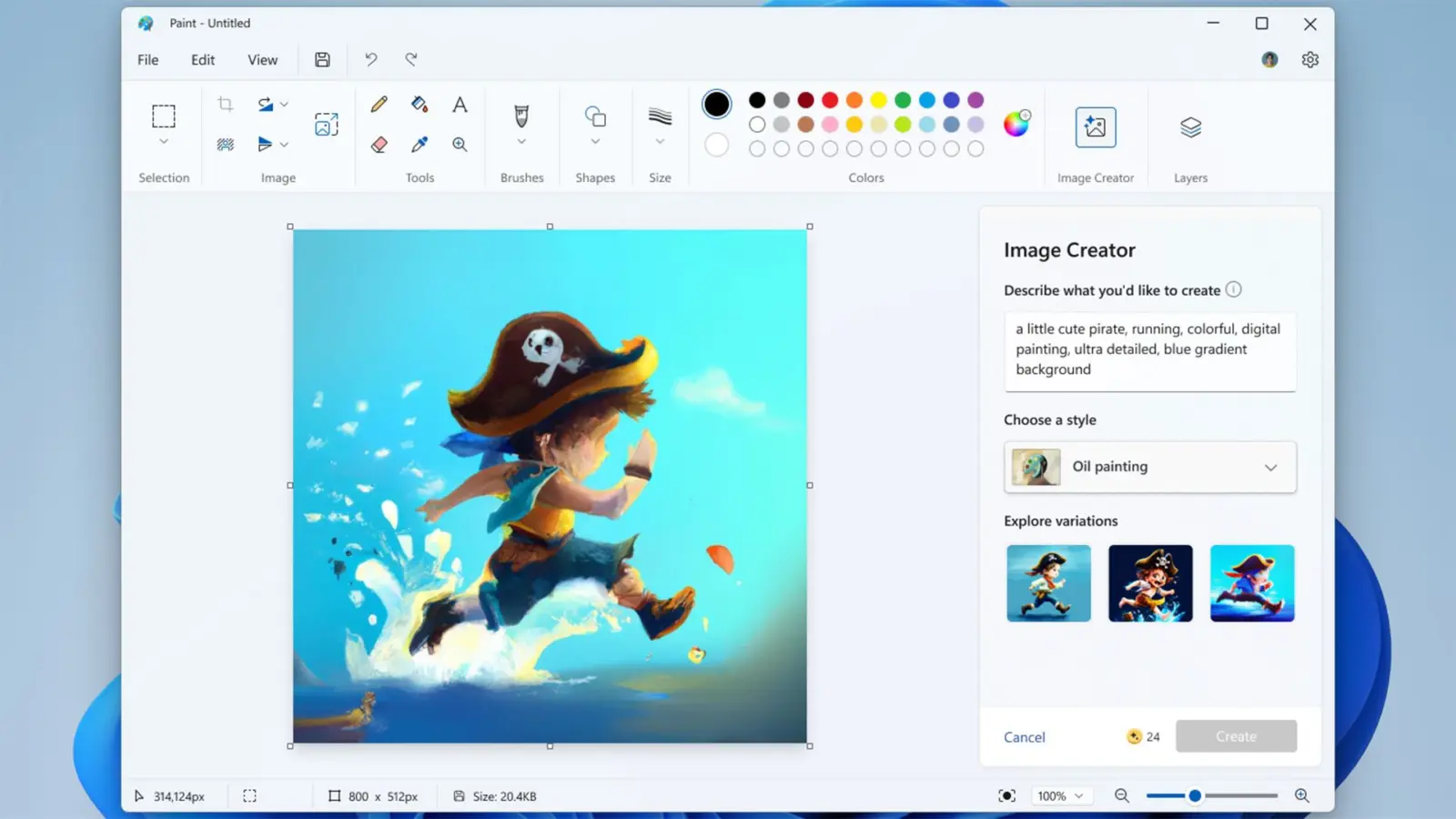
Developer finds mandatory GUID tracking in Windows 11 tools
The update affects the Paint and Photos apps on Windows 11. Developer Xusheng Li reverse-engineered these applications to uncover the new behavior. His analysis reveals how Microsoft handles AI image generation under the hood.
The core mechanism uses the WmkWriteWatermark function to embed an invisible GUID watermark. This process is mandatory for the Paint app, meaning generation fails if the watermark cannot be embedded. The Photos app behaves differently by returning the image even if watermarking fails and logging an error instead.
The apps also attach C2PA Content Credentials to saved files via ProvenanceHelper.dll. Local image generation still sends prompts to Microsoft servers for moderation. This implementation may align with EU AI Act Article 50 transparency rules effective August 2, 2026.
We looked at similar transparency trends earlier while tracking AI regulation developments. The code responsible for this lives in ProvenanceHelper.dll, backed by provenancesdk.dll, according to the dev. Paint does more than alter the pixels, it also attaches C2PA Content Credentials to the saved file. This technical detail confirms the structural integrity of the new watermarking system.
Microsoft has confirmed that its Paint and Photos apps now embed invisible watermarks in AI-generated content. The feature uses GUID watermarks and C2PA credentials to mark files. Local generation still requires server-side moderation for prompts.
Discussion
0 comments
Log in to join the thread with a thoughtful take, question, or correction.