
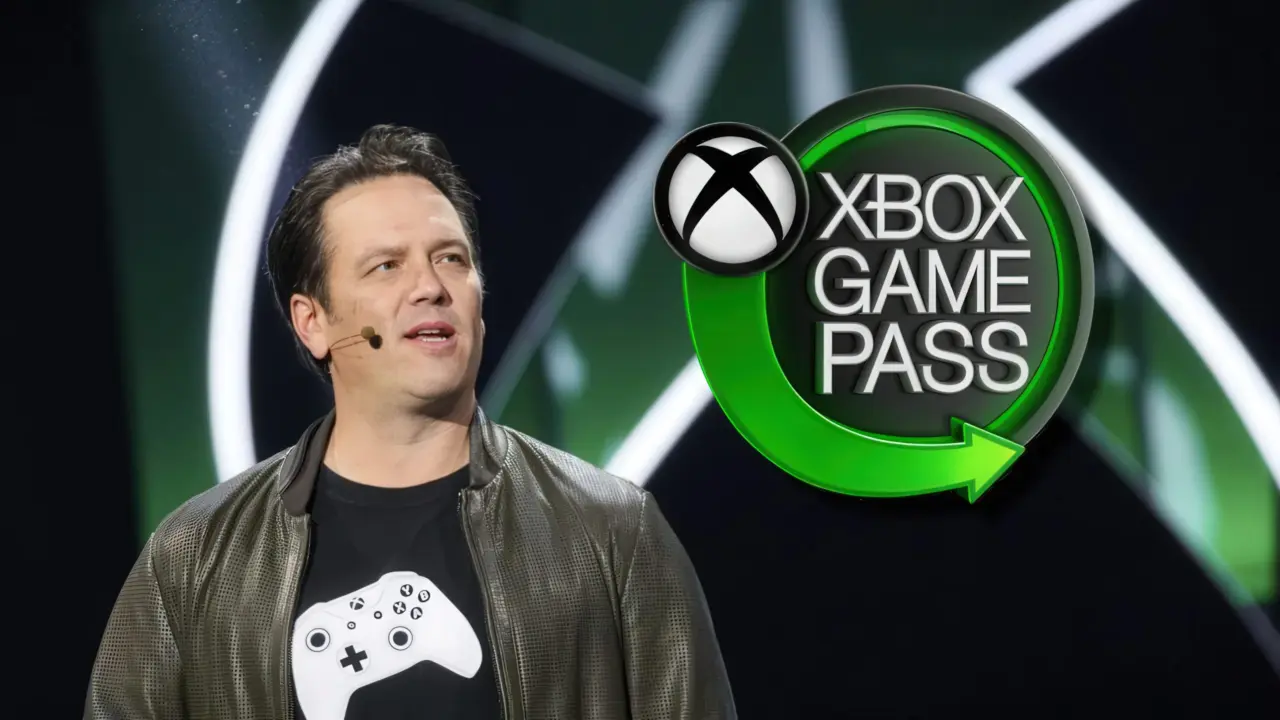
Microsoft is rethinking its entire approach to Xbox, signaling that the subscription-first model it spent billions building may no longer be the company's primary focus. This shift matters because it suggests a potential end to the aggressive expansion of Game Pass that defined the last few years of console gaming. Buyers who expected more day-one releases or lower subscription costs should prepare for a more traditional, hardware-and-licensing-focused strategy.
Xbox pauses new licensing deals as subscriptions fall short of targets
The changes come as Xbox undergoes significant internal restructuring, including layoffs and the divestiture of several major studios. Microsoft has cut roles at Bethesda, Obsidian, and id Software as part of this broader organizational overhaul. These moves reflect a retreat from the acquisition-heavy growth strategy that previously defined the division.
Financial metrics paint a clear picture of why the pivot is happening. Game Pass subscriptions have fallen to 30 million, a drop from a peak of 34 million and far below the 77 million target set for fiscal year 2026. Microsoft has spent over $80 billion on studio acquisitions and approximately $1 billion annually on third-party deals to fuel the service, yet the returns have not matched the investment.
The subscription model itself faces criticism for being fundamentally misaligned with gaming habits. Analysts and sources note that the Netflix-style approach failed because interactive, replayable content does not consume like linear video. Microsoft also lost approximately $300 million by adding Call of Duty to Game Pass on day one, a strategy the company has since reversed.
New Xbox CEO Asha Sharma has admitted that the previous strategy stretched the division too thin. She stated that subscriptions are unlikely to remain the core of Xbox's future strategy. This admission marks a clear departure from the vision that drove the company's recent spending.
We've been tracking Game Pass closely — see our earlier coverage on Microsoft Pauses New Game Pass Deals. The company is now pausing new deals as it restructures its approach to the market. This pause aligns with the broader retreat from aggressive third-party licensing.
Microsoft is moving away from a subscription-centric identity toward a more sustainable business model. The company is cutting costs, reducing studio acquisitions, and reevaluating its content strategy. The era of unlimited growth for Game Pass appears to be over.
Discussion
0 comments
Log in to join the thread with a thoughtful take, question, or correction.