
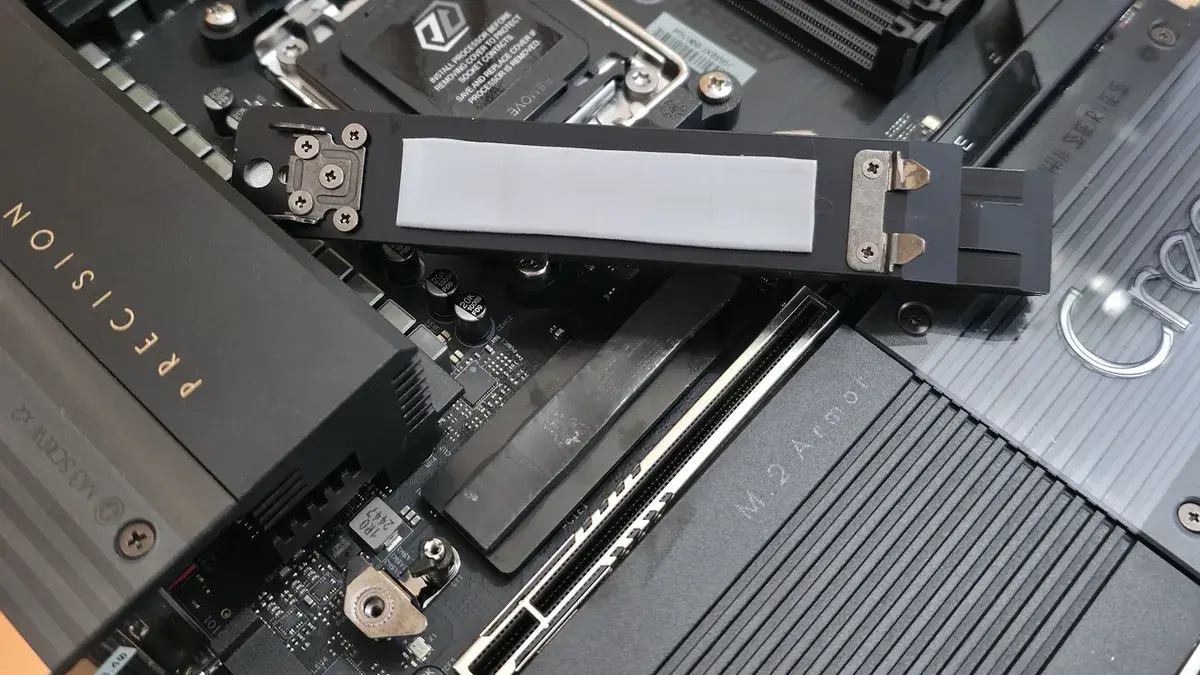
We found that M.2 SSD heatsinks on most motherboards fail to keep high-speed drives cool. This matters because a common cooling accessory can slash write speeds by more than 80 percent. Buyers of PCIe 5.0 storage should check their motherboard compatibility before relying on stock cooling solutions.
Testing reveals widespread thermal contact issues across mainstream Intel and AMD platforms
Tom's Hardware tested the built-in heatsinks on 20 mainstream motherboards from Intel and AMD platforms. The review used a Crucial T705 2TB drive, which is a thick PCIe 5.0 SSD measuring about 3.8mm. The test aimed to see if the default cooling provided by motherboard manufacturers actually works for modern high-performance storage.
- Tested Motherboards: 20 mainstream Intel and AMD platforms
- Tested SSD: Crucial T705 2TB (PCIe 5.0, ~3.8mm thick)
- Heatsinks with Good Contact: 6 out of 20
- Heatsinks with Defects: 14 out of 20
- Thermal Throttling Threshold: 70°C to 85°C
Only 6 of the 20 motherboards achieved full, uniform contact with the SSD. The remaining 14 units had insufficient pressure or only touched the controller chip. This lack of standardized surface flatness means many heatsinks leave the NAND flash exposed to heat. We recommend replacing the stock pads with 1.5mm or 2.0mm high-conductivity thermal pads for better contact.
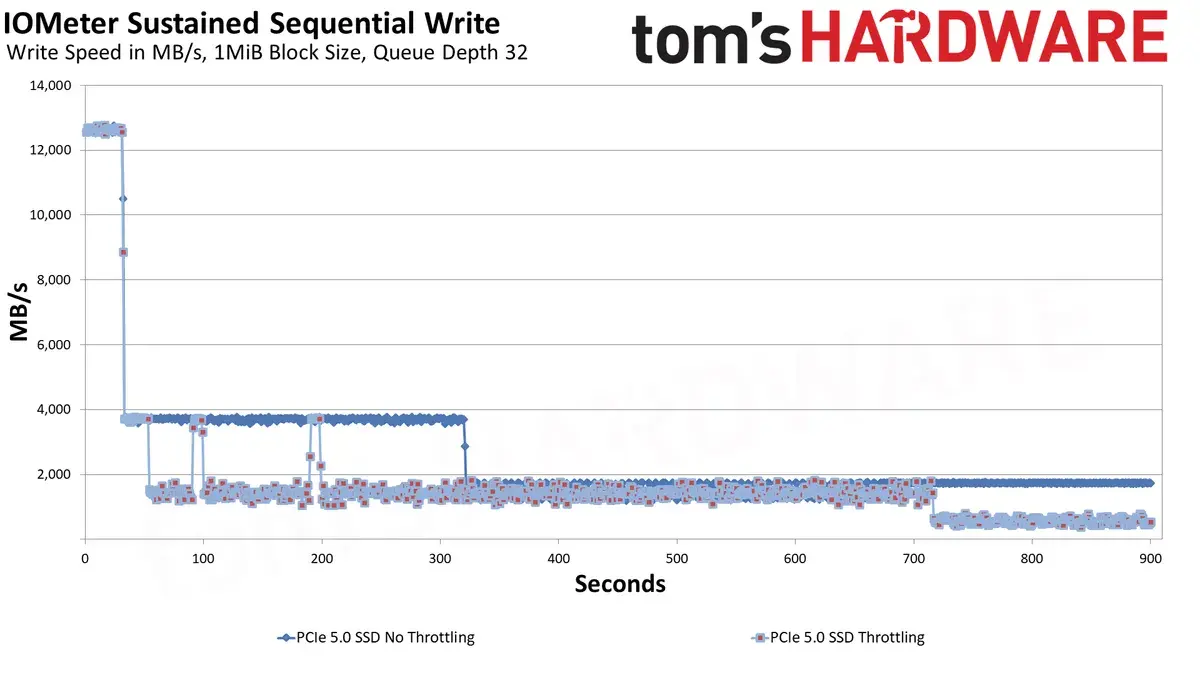
When the SSD hit thermal throttling thresholds between 70 and 85 degrees Celsius, performance collapsed. Write speeds dropped from nearly 4000MB/s to around 600MB/s. This represents an 80 percent performance decay that degrades the drive to traditional SATA SSD levels. Tom's Hardware noted that this overheating also shortens the SSD lifespan over time.
Higher-priced motherboards did not guarantee better cooling performance in our review. We looked at Apple A20 Pro Chip Uses Side-by-Side earlier while tracking Motherboard manufacturers launches. The data confirms that users must verify thermal contact on their specific board. Stock heatsinks are not a reliable solution for sustained PCIe 5.0 workloads.
Motherboard manufacturers need to standardize heatsink pad thickness and surface flatness. Users should monitor SSD temperatures during heavy transfers. Replacing thin stock pads with thicker, more elastic alternatives solves the contact issue. This simple hardware tweak restores the full speed of expensive high-end drives.

Discussion
0 comments
Log in to join the thread with a thoughtful take, question, or correction.